
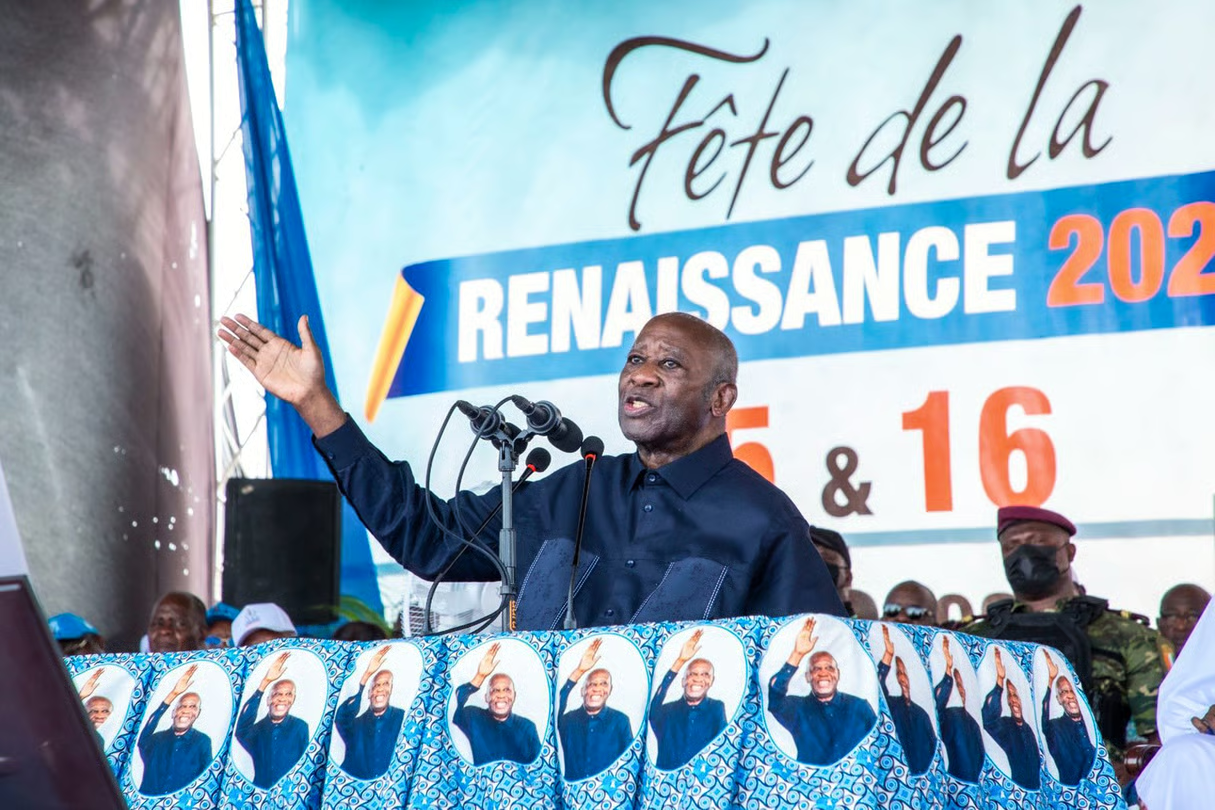
Laurent Gbagbo has reshaped the political landscape of Côte d’Ivoire’s PPA-CI (Ivorian Popular Front) by stepping back while retaining decisive influence over his party’s future.
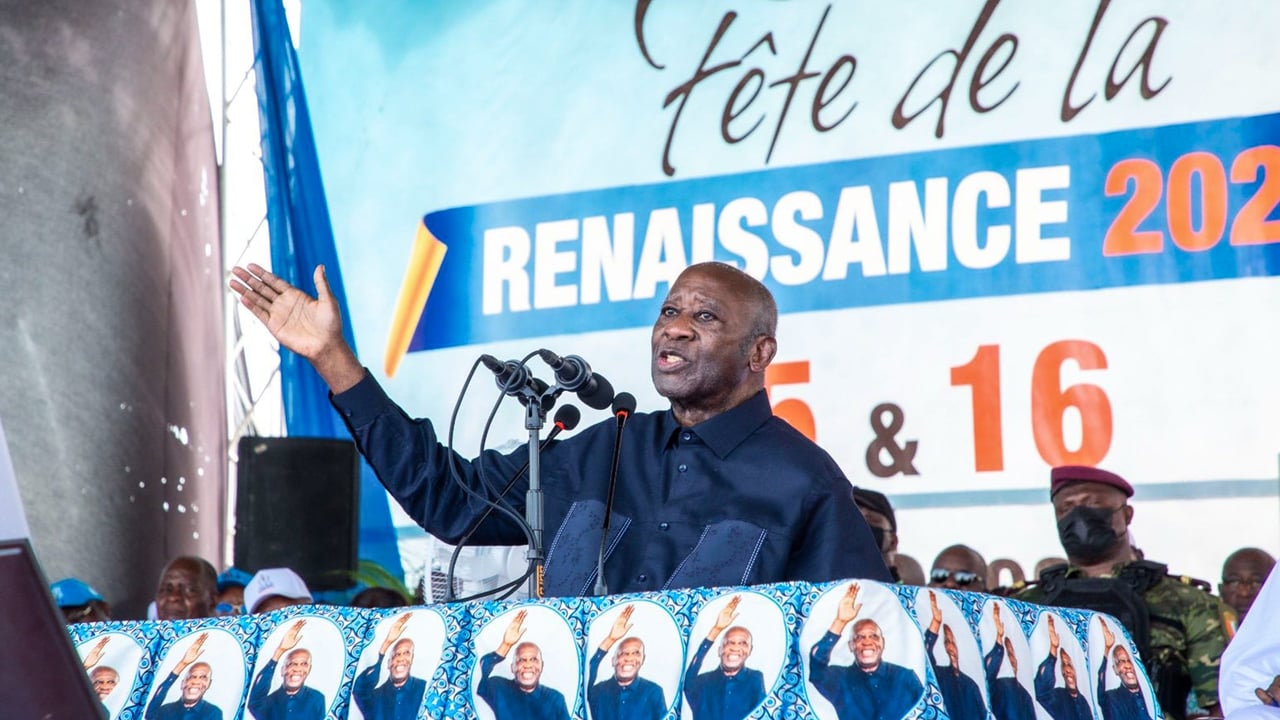
The former President’s strategic withdrawal, announced during the Renaissance celebration in Songon on May 16, 2026, marks a pivotal moment in one of West Africa’s most closely watched political movements.
While Gbagbo no longer holds the party’s top office, insiders confirm his continued grip on key decisions, particularly regarding leadership succession. His announcement signals a calculated move to groom the next generation of leaders—while ensuring his vision remains central to the party’s direction.
Transition without surrender: How Gbagbo maintains control
Gbagbo’s decision to step aside follows months of speculation about his political future. Observers note that his departure from the presidency of the PPA-CI does not equate to a loss of authority. Instead, it reflects a deliberate shift in strategy, allowing him to shape the party’s evolution from behind the scenes.
The move has sparked debates within political circles. Some analysts argue that this transition could either strengthen the party’s cohesion or deepen internal divisions, depending on how succession is managed.
Party insiders reveal that Gbagbo has been actively consulting with senior members to ensure a smooth handover—one that aligns with his long-term objectives for the PPA-CI.
Key figures emerging in the succession race
Several prominent figures within the PPA-CI are now positioning themselves for leadership roles. Among them, Affi N’Guessan, a long-time ally of Gbagbo, appears to be a frontrunner. His close ties to the former President suggest continuity in policy direction.
Another name frequently mentioned is Pascal Affi N’Guessan, a seasoned politician with deep roots in the party’s base. His potential candidacy reflects the party’s effort to balance experience with renewal.
The selection of the next leader will test the party’s unity and Gbagbo’s ability to unite factions under a shared vision.
What this means for Côte d’Ivoire’s political future
Gbagbo’s influence on the PPA-CI extends beyond party politics—it shapes the broader Ivorian political environment. His strategic retreat could either pave the way for a refreshed leadership or create uncertainty about the party’s direction.
The coming months will reveal whether the PPA-CI can maintain its relevance while navigating this leadership transition. For Côte d’Ivoire, the stakes are high: the party remains a major force in national politics, and its next leader will play a critical role in shaping the country’s trajectory.