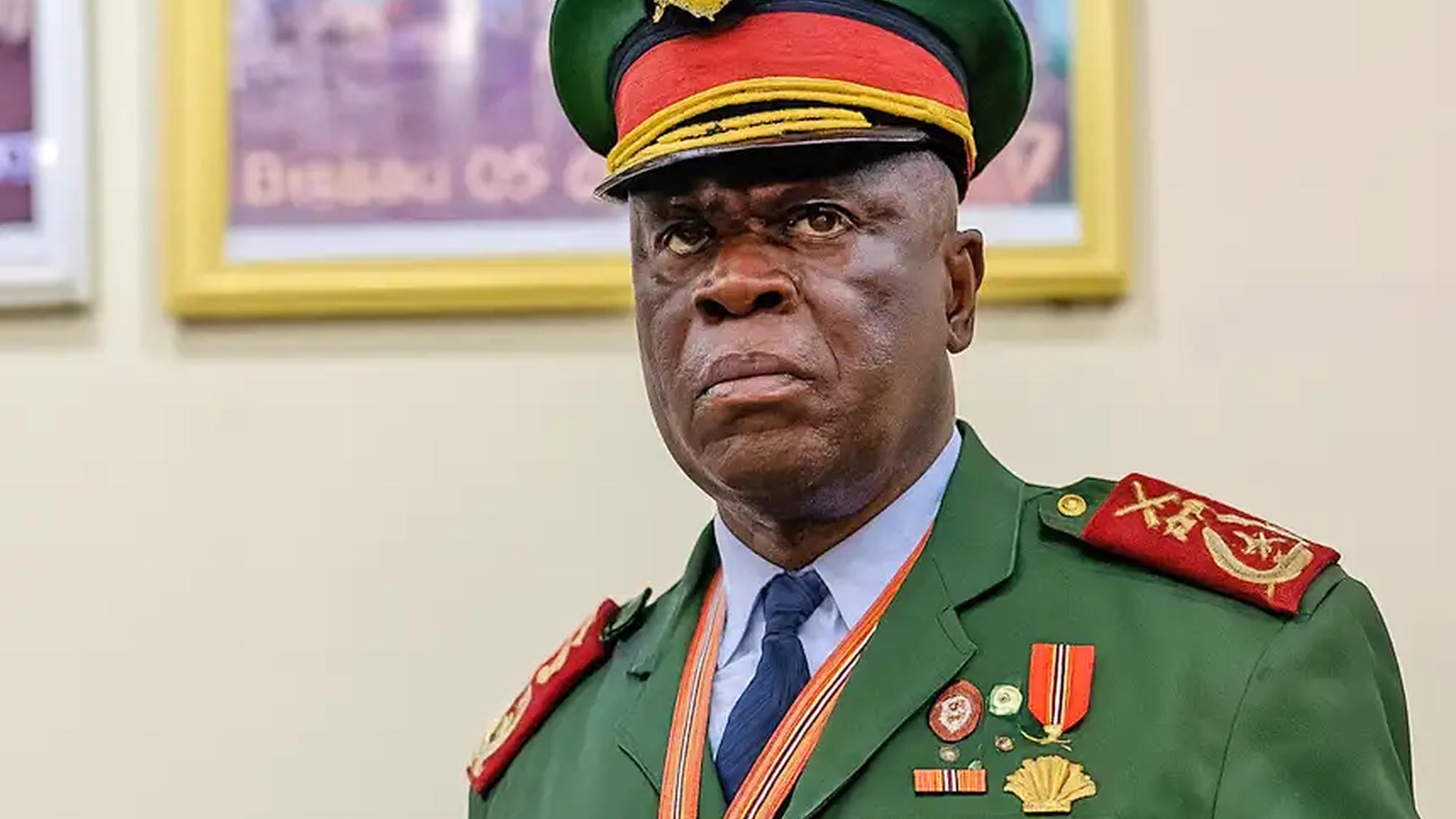

From contested polls to junta rule: the fragile promise of civilian return
The Guinea-Bissau of late 2025 stood at a precipice as a disputed presidential vote triggered a military intervention, shattering the democratic process and setting the stage for a prolonged period of uncertainty. The November 2025 election, already marred by allegations of fraud and conflicting victory claims between outgoing President Umaro Sissoco Embaló and opposition leader Fernando Dias da Costa, was abruptly halted by army officers on 25 November. Citing threats of destabilization and unproven conspiracy theories, the junta justified its takeover, leaving the nation grappling with a fundamental question: who had truly won the interrupted election?
In the aftermath, ballots were destroyed and opposition figures imprisoned, effectively erasing any definitive resolution to the electoral crisis. Yet even as the military solidified its grip, it framed its actions as a temporary measure designed to restore stability and facilitate a return to civilian governance. The promise was clear: elections would be held, and democracy would be restored. But six months later, that promise hangs in the balance as the junta’s credibility is tested by mounting delays and structural changes.
Transition under scrutiny: constitutional reforms and lingering doubts
The military-led transition, led by General Horta N’Tam, pledged to uphold the integrity of the electoral process. In January 2026, a decree was issued setting presidential and legislative elections for 6 December 2026. Officials insisted the conditions for a credible vote had been met and emphasized that the junta leader would not run for office. Yet, from the outset, skepticism loomed large. Opposition members remained imprisoned or in exile, while the transitional legislature’s push to revise the Constitution raised serious concerns about legal legitimacy.
That revision culminated in August 2026 with a constitutional referendum, one that proposed sweeping changes to Guinea-Bissau’s political architecture. The draft sought to replace the semi-presidential system with a stronger presidential model, concentrating power in the hands of the presidency. It also slashed parliamentary seats from 102 to 65 and reduced administrative districts from 29 to 12. While backers argued these reforms would streamline governance, critics—particularly the PAIGC party—warned they were designed to entrench military influence and undermine the transitional process.
Boycotts by opposition parties and civil society groups underscored the deep divide over the constitutional project. The referendum’s passage did not resolve the debate; it merely exposed the contradictions at the heart of the military’s transition plan. How could elections restore democracy while the very rules governing them were being rewritten under a junta-led government?
Technical hurdles or strategic delay? The real reason behind the threatened postponement
As December approaches, the election date appears increasingly fragile. The electoral commission has warned that logistical and technical preparations remain incomplete, citing insufficient time to guarantee a fair and transparent process. The Prime Minister, too, has raised concerns about political parties’ readiness to participate in a credible vote. For observers, these statements reveal more than administrative challenges—they hint at deliberate maneuvering.
A postponement would further prolong the military’s dominance over Guinea-Bissau’s political future. But the implications extend beyond timing. A delayed election risks exacerbating tensions, curtailing opposition participation, and eroding public trust. The junta’s commitment to a civilian transfer of power is now under scrutiny not just for its timing, but for its substance. Will elections be held in an environment free from coercion? Will opposition leaders be freed to campaign? Can the electoral body operate independently under military oversight?
Democracy’s true test: what the junta must deliver to reclaim legitimacy
The military’s narrative has long hinged on the promise to restore democracy. Yet words alone are no longer sufficient. To silence doubters, the junta must take concrete steps: release imprisoned opposition figures, ensure unfettered media access, protect candidates and voters from intimidation, and guarantee the neutrality of security forces during the electoral process.
Should the elections proceed under duress or exclusion, the crisis in Guinea-Bissau will deepen rather than resolve. Conversely, a transparent, inclusive vote, conducted under agreed rules and respected deadlines, could mark the beginning of a genuine democratic transition. The moment of truth has arrived. After a year of military rule and broken promises, the junta’s ability to deliver credible elections will determine whether Guinea-Bissau’s democratic future is secured—or deferred indefinitely.
