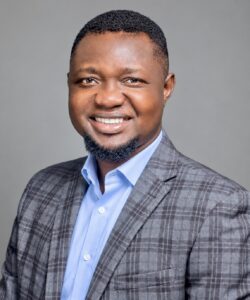

A significant legal development is unfolding in Senegal following the apprehension of Matar Ndiaga Seck, 51, a figure widely recognized as an associate of influential political circles. The Division of Criminal Investigations (DIC) carried out the arrest, acting on a warrant issued by police services in Linguère, located in the northern region of the nation.
My investigation reveals that this apprehension is part of a broader inquiry concerning the criminalization of homosexuality. Investigators have cited compelling evidence gathered during a series of arrests already conducted in the Djoloff region, where approximately twenty individuals have been taken into custody under similar investigations.
As of now, judicial authorities have not released any detailed statements regarding the specific charges or the precise legal classification of the alleged offenses. The ongoing investigations are focusing on the analysis of seized digital data, particularly the contents of a mobile phone, which is believed to hold crucial information that could shape the direction of the inquiry.
This case emerges within a highly sensitive period in Senegal, characterized by a recent tightening of the legal framework governing same-sex relationships. A new law, enacted on March 31, 2026, significantly bolstered existing provisions within Article 319 of the Penal Code, notably expanding offenses to include the «promotion» of homosexuality. Individuals found guilty under this legislation now face potential prison sentences of up to ten years.
This legislative reinforcement has provoked strong reactions from human rights organizations, which condemn what they perceive as an escalation of arrests and an increasingly repressive environment for individuals who are LGBT or presumed to be. These organizations report that over a hundred detentions have occurred since the new legal framework came into effect.
Amidst this atmosphere, various non-governmental organizations are also highlighting the political implications of certain ongoing cases, particularly when those implicated are linked to governmental or administrative circles. Despite these concerns, they advocate for caution, emphasizing that individual culpability must be determined by the justice system, not by conjecture.
Furthermore, human rights advocacy groups are actively monitoring other similar cases, including that of a foreign national held for several months in a comparable situation. They also confirm receiving numerous requests for assistance through their support mechanisms.
Senegalese authorities have yet to offer further details on this ongoing legal proceeding. The progression of the inquiry will hinge on the outcomes of judicial investigations and the evidence presented before the competent courts in the coming weeks.