Internal tensions rise as reports suggest foreign sway over Mali’s leadership
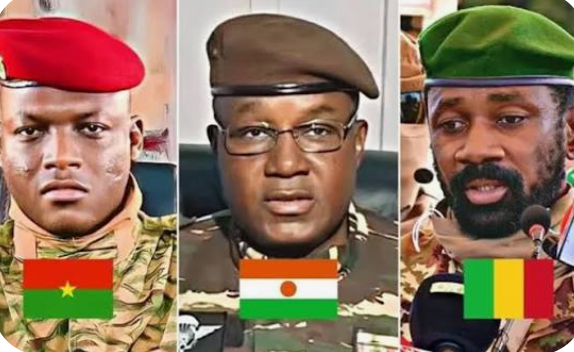
The Alliance of Sahel States (AES), designed as a unified front for Mali, Burkina Faso, and Niger, is currently navigating a period of significant internal strain. Despite public displays of unity, a leaked intelligence report from Burkina Faso has raised serious questions about the independence of the government in Bamako, suggesting it may be heavily influenced by Russian interests.
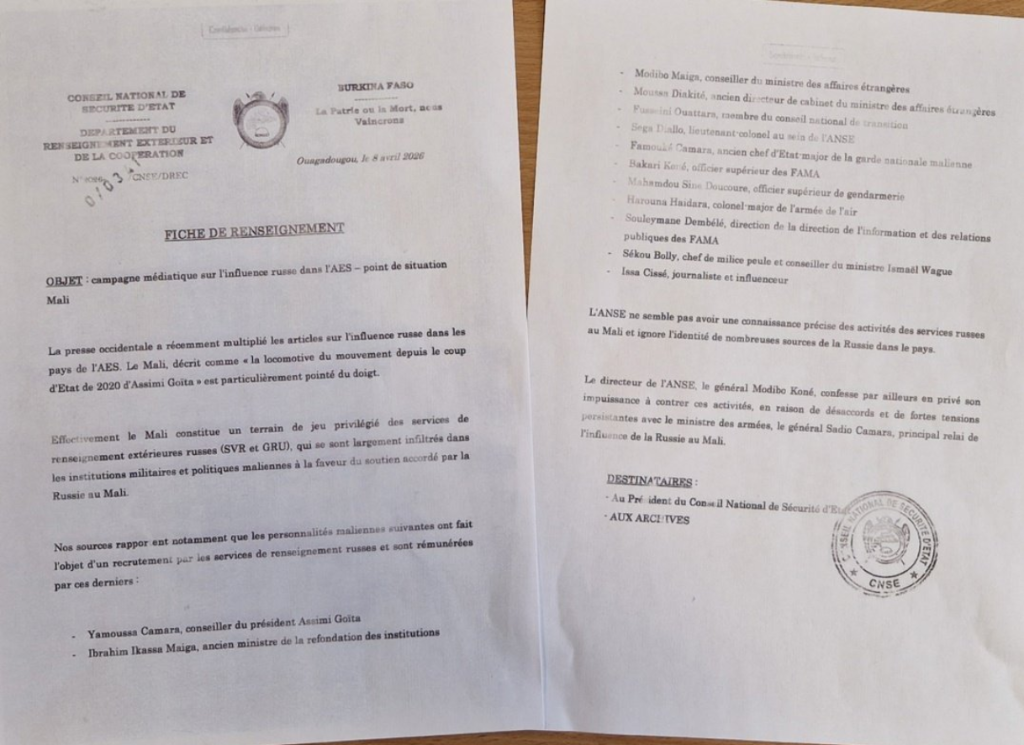
High-level figures linked to Moscow
According to the Burkinabè intelligence findings, foreign infiltration has reached the inner circles of the Malian state. The document identifies several key individuals allegedly operating within Russia’s sphere of influence. This includes high-ranking advisors to President Assimi Goïta, such as Yamoussa Camara, along with diplomatic and administrative figures like Modibo Maïga and Moussa Diakité.
The list extends to the military and media sectors, naming officers Bakari Koré and Harouna Haidara, as well as militia leader Sékou Bolly and journalist Issa Cissé. This extensive network suggests a deep-rooted presence within Malian institutions, causing alarm in Ouagadougou. The concern is that if Bamako’s policy shifts are driven by Russian agendas, the collective goals of the AES could be compromised.
The paradox of sovereignty
The core mission of the AES is to establish total sovereignty and move away from Western interference. However, critics within the alliance fear that Mali is simply trading one form of dependency for another. The growing presence of foreign mercenaries and unofficial advisors has sparked anxiety in Niger and Burkina Faso.
There is a rising fear that Mali’s political and military strategies may no longer prioritize regional stability but instead serve Russia’s broader geopolitical ambitions. This perception has led to visible friction, particularly with Niger, where officials are wary of the level of foreign control over their strategic partner.
A crossroads for the Sahel Alliance
The viability of a shared defense pact is now under scrutiny. It is difficult to maintain a unified front when one member is suspected of losing its decision-making autonomy. The leak of this intelligence note indicates that Burkina Faso is distancing itself from Mali’s current trajectory, fearing that Moscow’s influence could lead to regional instability.
The ultimate challenge for the AES is not just combating external threats, but surviving its own internal fractures. Observers suggest that if Mali cannot reclaim its national destiny, the alliance—built on the promise of independence—could crumble under the weight of the very foreign influence it sought to avoid.