Patrice Talon’s decade of infrastructure: over 2,000 kilometres of paved roads in Benin
When assessing the legacy of Patrice Talon, one specific achievement dominates the conversation: the road. Over the span of a decade, the Head of State has fundamentally reshaped Benin’s landscape. What once consisted of dust and hazardous potholes has been replaced by sleek, modern pavement. From the bustling streets of Cotonou to the most isolated rural villages, the “Man of the Rupture” has literally paved the way for national development. As his term nears its conclusion, this massive construction effort stands as the most visible and impressive hallmark of his governance.
A vision for national prosperity
In 2016, Patrice Talon inherited a nation struggling with a crumbling transport network. He recognized early on that without fluid movement, there can be no real economic growth. Connectivity is the lifeline for trade, healthcare access, and education. His strategy was clear: end Benin’s isolation, link farms to urban markets, and make cities attractive to global investors. Ten years later, the results are undeniable.
Impressive milestones in road construction
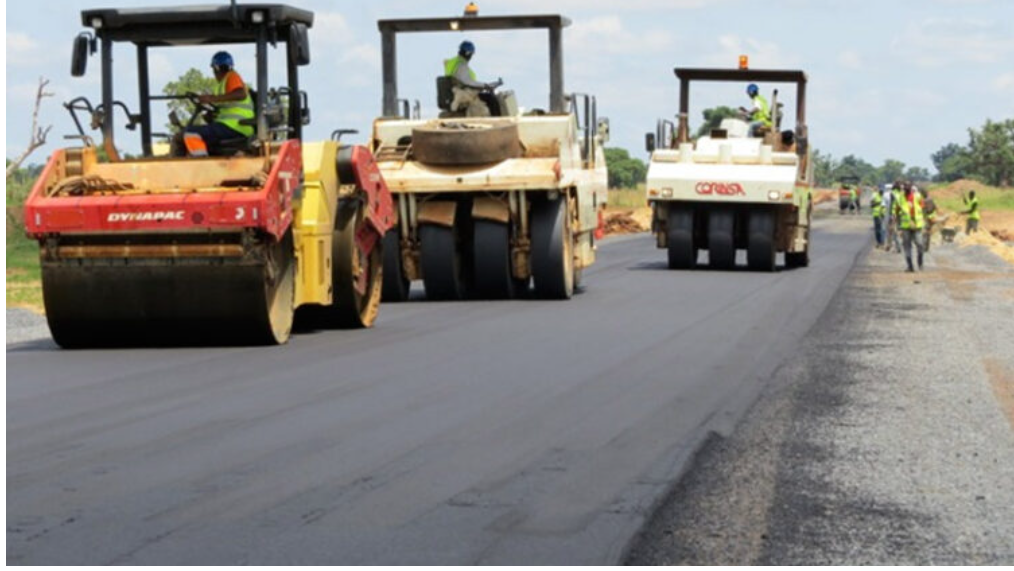
Benin has never witnessed such an intense period of building. Official data confirms that more than 2,000 kilometres of roads have been successfully paved, with an additional 1,100 kilometres currently under construction. This shift means thousands of families no longer suffer from dust-filled air, farmers can transport produce without vehicle damage, and daily commutes are safer for everyone. Formerly isolated municipalities are now integrated into a vibrant, connected national grid.
The urban revolution of the Asphaltage project
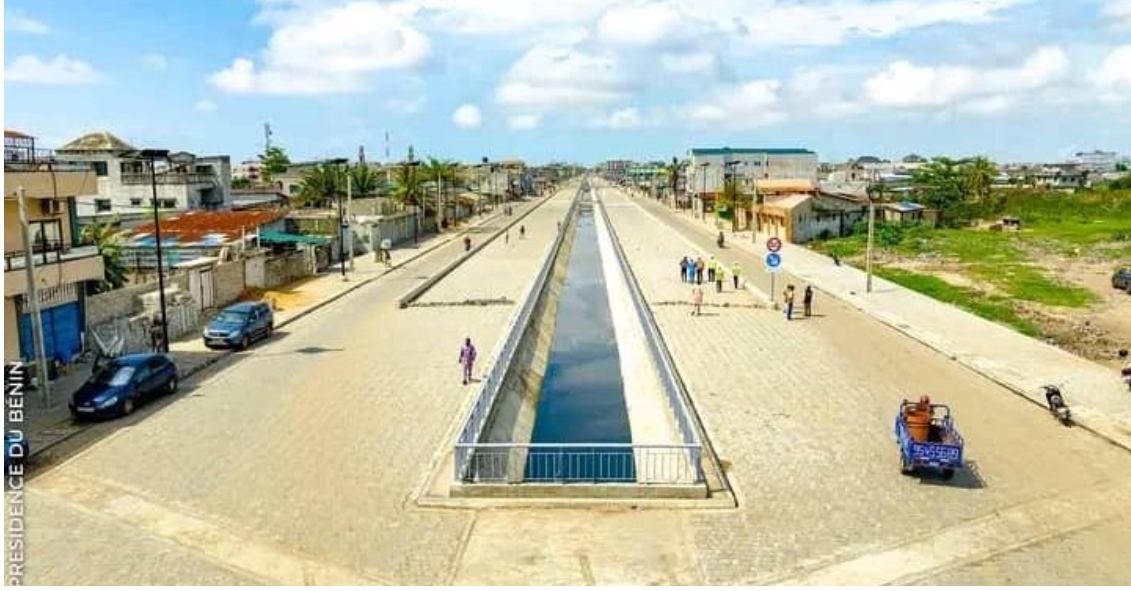
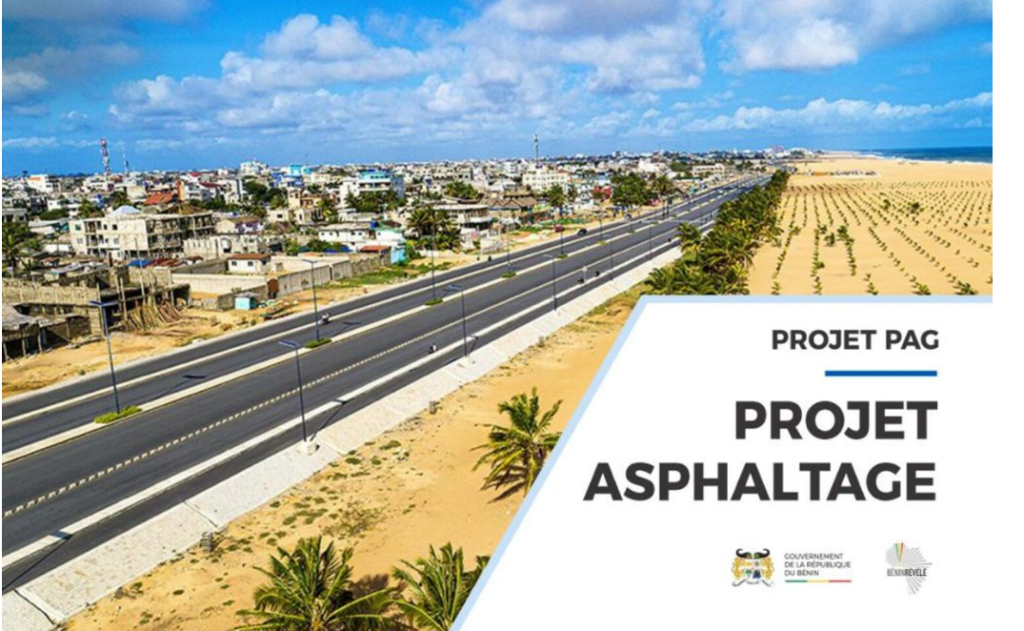
The “Asphaltage” program has become a household name, representing a total urban metamorphosis. This initiative targeted major hubs like Cotonou, Porto Novo, and Parakou, while also beautifying towns such as Abomey Calavi, Djougou, Kandi, and Ouidah. These cities have shed their old skin, and long-neglected neighborhoods have regained their dignity.
Walking through Cotonou today is a transformed experience. The days of mud traps during the rainy season and suffocating dust clouds during the dry season are over. This modernization has improved emergency response times for ambulances and firefighters, effectively saving lives. For the citizens of Benin, these roads represent more than just infrastructure; they are a source of renewed pride.
Strategic corridors and regional connectivity
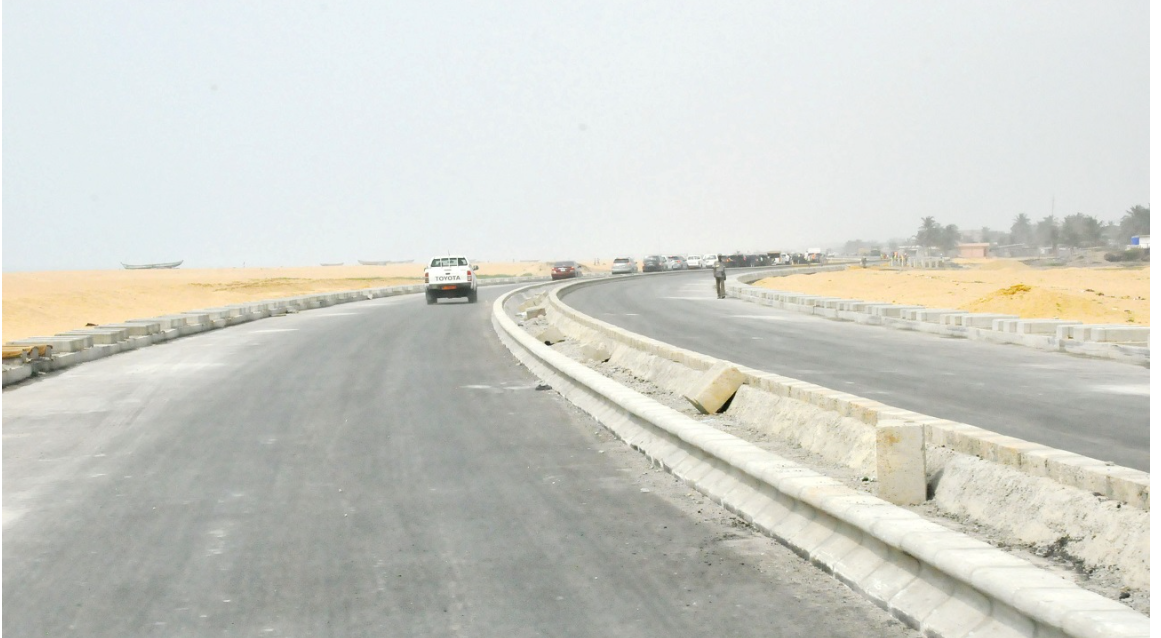
The infrastructure push extended far beyond city limits. Significant investments were made in regional arteries, such as the fully rehabilitated Cotonou-Niamey route, which serves as a vital trade link with Niger. Similarly, the Route des Pêches underwent a massive overhaul. With the construction of new bridges and the expansion of lanes, travel times that once took hours have been reduced to minutes, positioning Benin as a critical logistics hub for West Africa.
An enduring legacy of progress
Perhaps the most significant change is the shift in public perception. Beninese citizens now look forward to the next phase of development rather than lamenting the state of their streets. This atmosphere of progress has attracted international investors and praise from global financial institutions. Under Patrice Talon, bitumen has become a symbol of dignity and a testament to a nation moving forward with confidence. This physical and psychological transformation remains an indelible mark on the country’s history.