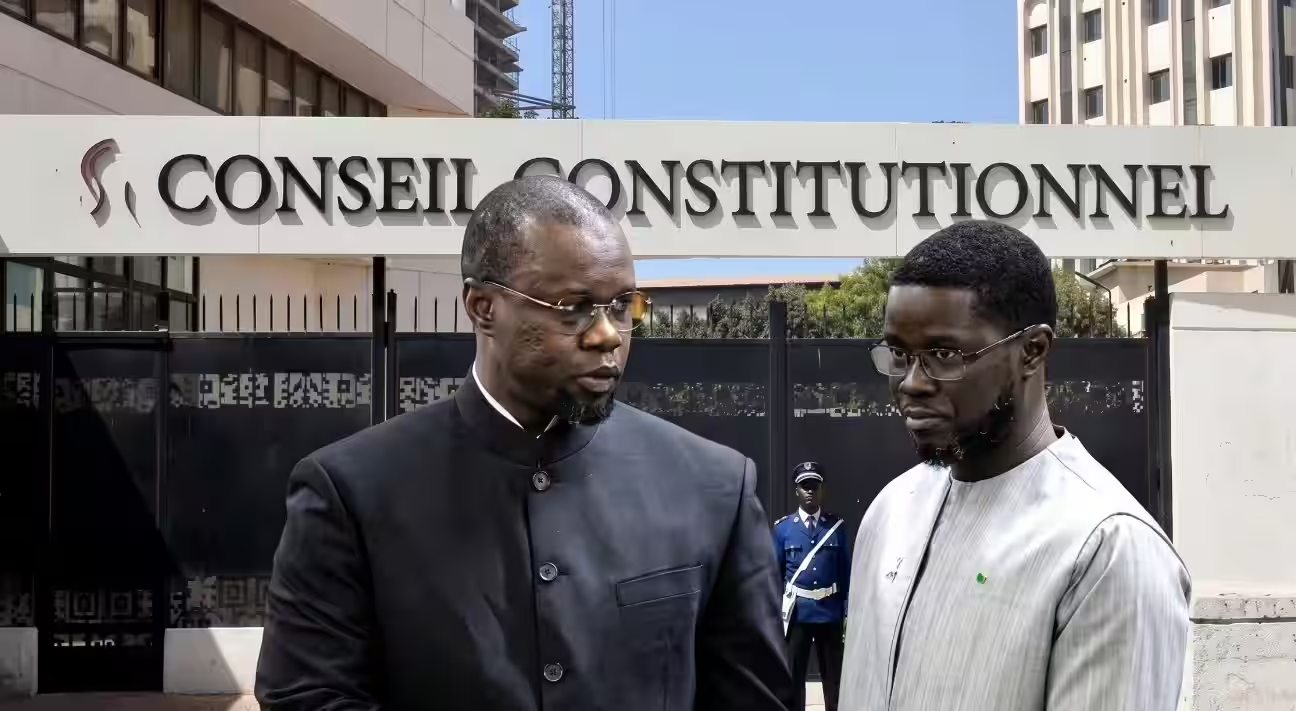

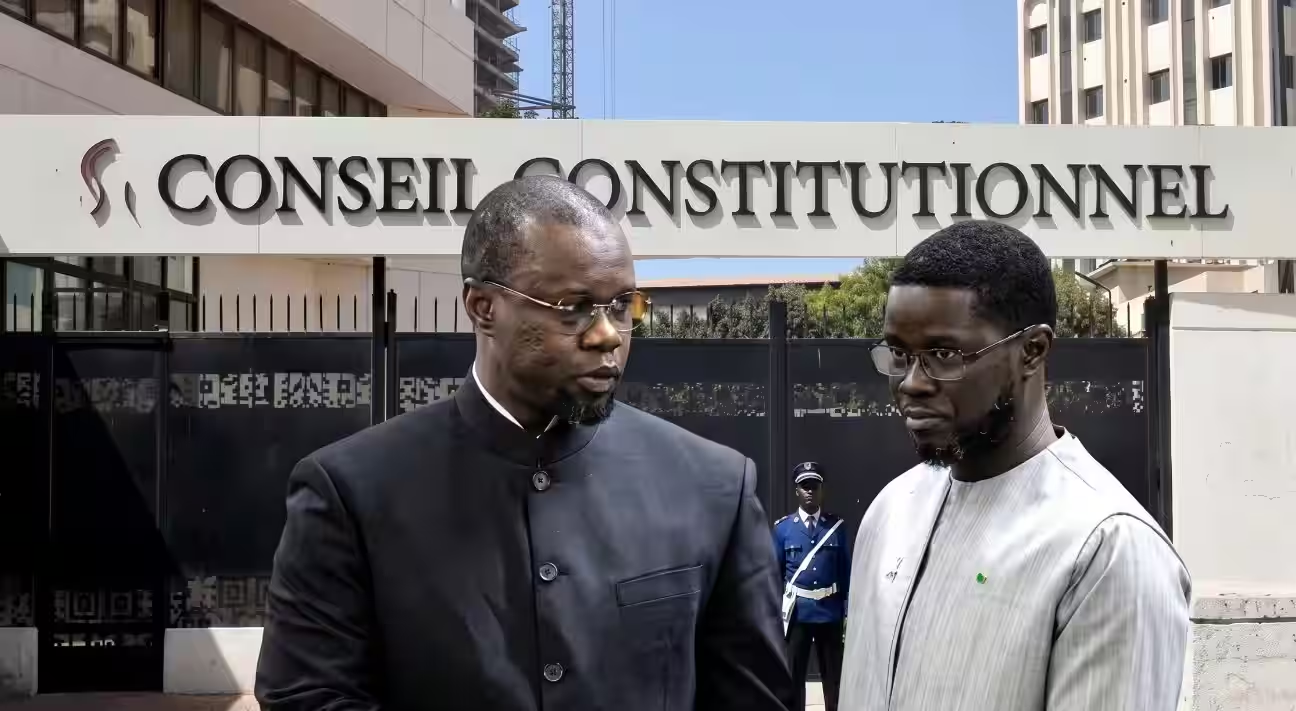
The recent ruling by the Conseil constitutionnel regarding the reinstatement of Ousmane Sonko to the National Assembly has ignited a wave of critical analysis within the legal circles of Sénégal. This decision, which highlights a potential pivot in judicial trends, raises significant questions about the consistency of national institutions when facing vital constitutional matters.
A shift in constitutional jurisprudence
The judgment delivered on June 17, 2026, concerning Ousmane Sonko’s return to his parliamentary seat, continues to produce conflicting interpretations. While the official reasoning was framed as a purely procedural matter—specifically the Council’s lack of jurisdiction—many legal observers suggest a more complex underlying narrative. There are concerns that this reflects a subtle retreat from previous judicial boldness.
Critics point to a sharp divergence between the Council’s current stance and its more proactive role observed during the institutional crisis of February 2024. At that time, the high court acted as a broad regulator of institutional stability. In contrast, this recent ruling adopts a far more restrictive view, focusing strictly on the legal classification of the contested act rather than the broader implications for the democratic framework.
Internal dynamics and institutional reactions
The debate is further complicated by the fact that Judge Cheikh Ndiaye did not participate in this specific deliberation. This absence, coupled with the Council’s refusal to intervene, has left the matter of Ousmane Sonko’s parliamentary status in a state of legal limbo that many argue is far from resolved. The case remains a focal point for those questioning the Council’s role as the ultimate guarantor of institutional balance.
The reaction from political figures has been varied. For instance, El Ministre Ndiaye has expressed that the outcome was expected, suggesting there was no surprise in the court’s direction. However, the core of the controversy remains: a perceived inconsistency in a court that once positioned itself as a decisive regulator, only to now retreat behind procedural technicalities when faced with a high-stakes dispute.