
New traffic rules for Mio motorcycles in Burkina Faso spark mixed reactions
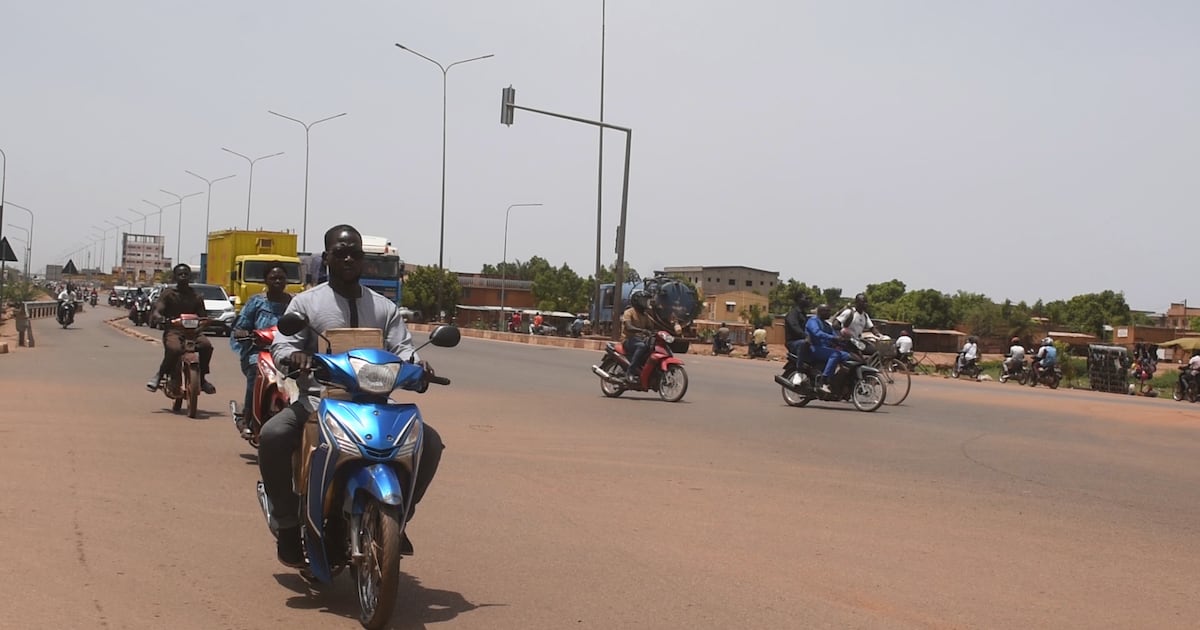
The shift in urban mobility: Mio scooters and bicycle paths
In a move to reorganize urban traffic, authorities in Burkina Faso have officially authorized Mio-style motorcycles to use lanes previously reserved for bicycles. This decision has ignited a wide range of opinions among commuters, with some praising the innovation and others fearing for road safety on limited infrastructure.
For many, like delivery driver Ben Ouattara, the change is a logical step. “I believe this is a positive measure since the law already regulates traffic flow. If the decision is made for Mio motorcycles to join smaller bikes on the dedicated lanes, it seems perfectly normal to me,” he explained.
Mio motorcycles, which are compact and lightweight scooters, have become a staple of city life in Burkina Faso. Their popularity stems from their practicality in navigating congested streets and their low maintenance costs.
Government objectives and public concerns
The primary goal of this reform is to alleviate the heavy congestion found on major thoroughfares. By shifting a portion of two-wheeled motorized traffic toward bicycle paths, officials hope to reduce pressure on main roads and foster better coordination between different types of commuters.
However, not everyone is convinced. Sirina Ouédraogo, a regular road user, expressed reservations about the capacity of the current lanes. “The authorities likely intended to protect the public with this rule, but it might have been better to leave things as they were. The bicycle paths are narrow, and crowding them with all these motorcycles could lead to total gridlock. We will have to wait and see how it unfolds,” she noted.
Many citizens argue that simply reassigning lanes will not solve the underlying issue of urban mobility. As the number of motorcycles continues to climb, a more comprehensive approach is needed to address the growing demand for road space.
Safety and infrastructure challenges
Interestingly, some users find that the confined space of the bike lanes actually encourages safer driving habits. Abdoulaye Mané, another commuter, suggested that the narrowness of the paths forces riders to be more cautious. “On the bicycle lane, you have to be more attentive because space is limited. This restraint can actually help prevent certain types of accidents,” he remarked.
Conversely, others worry that the lanes are being used as shortcuts for speeding. Sergène Yabré pointed out that a lack of traffic education remains a major hurdle. “Many people don’t fully understand the rules of the road. You often see riders making unpredictable moves or switching sides without looking. Some choose the small lane just so they can drive faster, which is dangerous,” she warned.
To address these concerns, there is a growing call for the expansion and modernization of existing infrastructure. Since these paths were originally designed for bicycles, many believe they must now be widened and adapted to safely accommodate the increasing volume of motorized two-wheelers. Upgrading these routes could be a vital component in the long-term strategy to combat urban traffic jams in Burkina Faso.