
Libreville’s bold move to reclaim public spaces
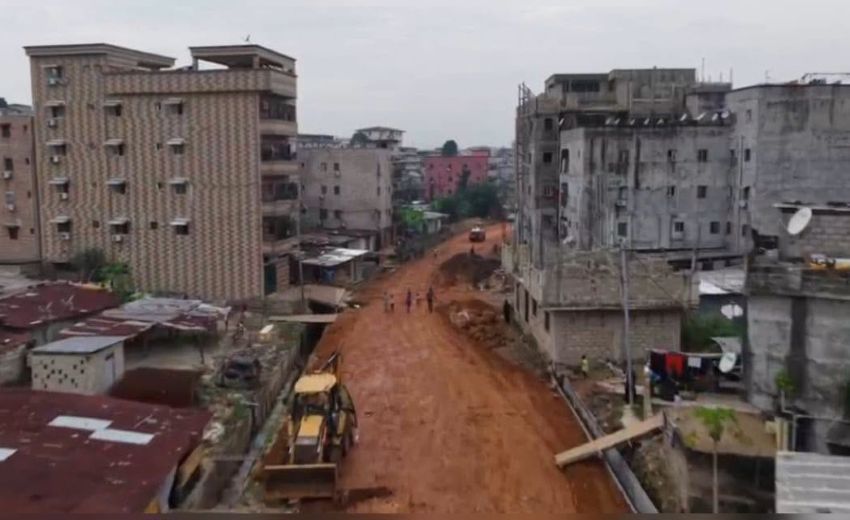
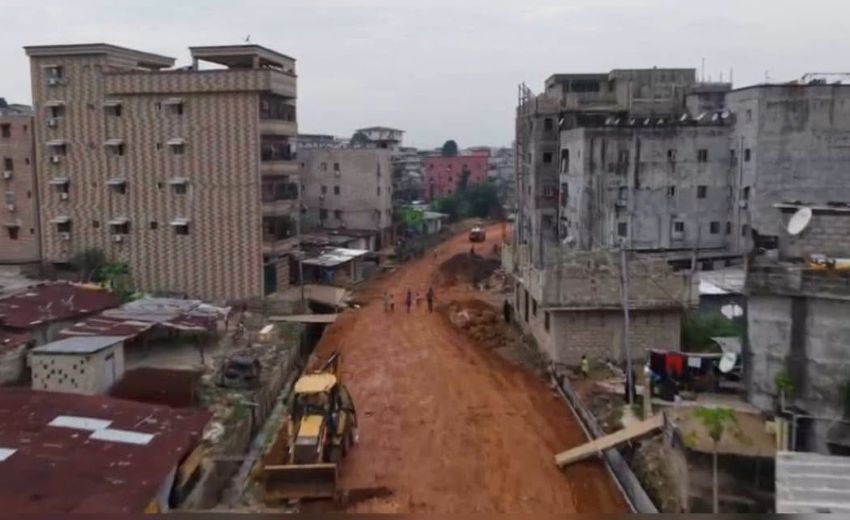
The capital stands at a critical juncture as Libreville’s municipal authority enforces a sweeping urban renewal initiative that will reshape the city’s public landscape. With the July 10 deadline now passed, authorities are poised to execute a comprehensive cleanup operation targeting unauthorized structures, street vendors, and encroachments that have long plagued the capital’s thoroughfares.
The campaign spearheaded by Mayor Eugène M’ba aims to restore order to Gabon’s bustling metropolis by reclaiming sidewalks, intersections, and drainage channels from illegal occupation. For years, these spaces have been transformed into makeshift markets, informal workshops, and parking areas—disrupting traffic flow, compromising sanitation, and eroding the city’s aesthetic appeal. While the necessity of these measures is widely acknowledged, the timing and scale of the operation have sparked intense debate among residents and urban planners alike.
Proponents argue that immediate action is long overdue. A capital city cannot sustain its growth or attract investment when its streets are clogged with unregulated commerce and its infrastructure deteriorates under the weight of neglect. The mayor’s initiative represents a bold step toward restoring Libreville’s status as a modern, functional urban center where public spaces serve their intended purposes.
Yet beneath the surface of this enforcement drive lies a more nuanced conversation about sustainable urban governance. Critics caution that dismantling unauthorized structures without addressing their root causes risks creating a cycle of displacement, where displaced vendors and businesses simply relocate to other parts of the city, perpetuating the same problems elsewhere.
Beyond demolition: addressing the human dimension
The success of such campaigns hinges not only on their ability to enforce regulations but also on their capacity to anticipate and mitigate the social consequences of displacement. Behind every unauthorized stall or informal garage is a story of economic hardship—unemployment, low incomes, or the prohibitive cost of formal commercial spaces. Without viable alternatives, the crackdown on public space occupation could merely shift the problem rather than resolve it.
Urban planners point to successful models from other African cities like Lagos, Kigali, and Abidjan, where municipal authorities combined strict enforcement with targeted support for informal traders. These cities have shown that urban renewal is not just about removing obstacles; it’s about creating inclusive spaces where economic activity can thrive within a regulated framework.
Building a city for the future
The challenge facing Libreville today mirrors that of many rapidly growing African capitals: how to balance the demands of modernization with the realities of its population. The current operation offers an opportunity to do more than just restore order—it could lay the foundation for a new social contract between the city and its residents. By investing in alternative marketplaces, designated artisan zones, and formalization programs for informal businesses, the municipality can transform this cleanup effort into a catalyst for long-term urban development.
The choices made in the coming weeks will determine whether Libreville’s transformation is merely cosmetic or the first step toward a more equitable and resilient urban future. One thing is certain: the path to progress requires both the courage to enforce necessary changes and the wisdom to ensure those changes benefit all segments of society.