
Lomé hosts pivotal dialogue on holistic security for the Gulf of Guinea
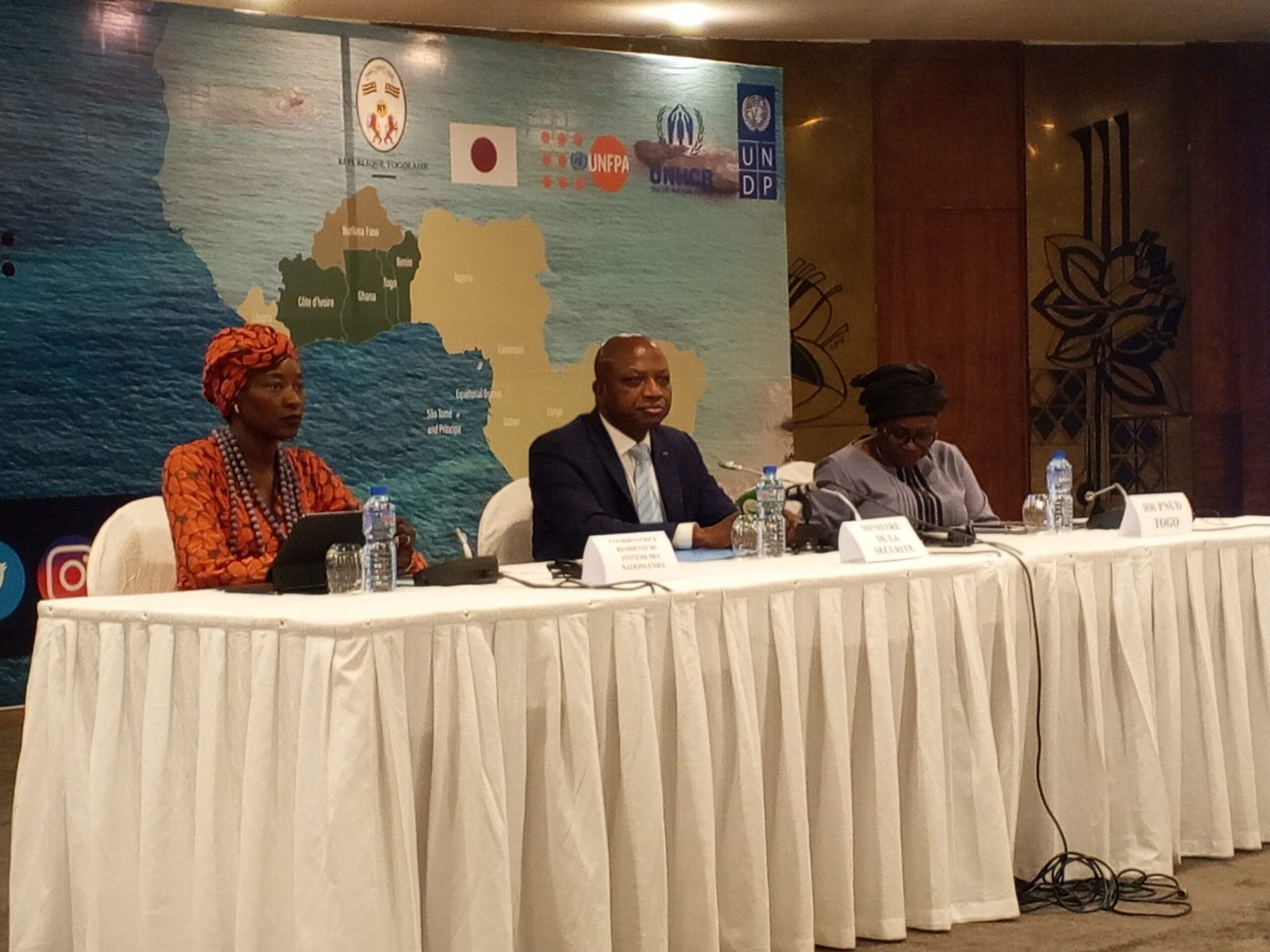
Lomé became the focal point for a significant regional dialogue on Tuesday, June 3, 2026, dedicated to strengthening the prevention agenda across the Gulf of Guinea. This crucial gathering brought together a diverse group of stakeholders, including government representatives, regional institutions, United Nations agencies, technical and financial partners, and community actors, all united in their commitment to peacebuilding and conflict prevention.
During the opening remarks, Minister of Security, Calixte Madjoulba, delivered a powerful message. He underscored that as threats to West Africa evolve, only a concerted, sustainable, and prevention-focused response can truly guarantee stability in the sub-region.
The Gulf of Guinea under pressure: terrorism, crime, and climate crisis
In his address, Minister Madjoulba presented an unequivocal assessment: the Gulf of Guinea confronts an escalating array of complex security and socio-economic challenges.

Violent extremism, terrorism, transnational organized crime, illicit trafficking, the proliferation of small arms, community tensions, and the profound effects of climate change are progressively eroding the social and economic stability of the region. These challenges are not isolated; they are interconnected, creating a fragile environment that demands urgent attention.
Furthermore, the direct repercussions of the Sahelian crisis, including significant population displacements and mounting pressure on host communities and local resources, exacerbate the situation in the Gulf of Guinea. These dynamics underscore the interconnectedness of security challenges across West Africa and highlight the need for comprehensive regional solutions, a key topic in Sahel current affairs discussions.
“No single state can provide a fully effective response on its own,” Calixte Madjoulba firmly stated, emphasizing that the current challenges transcend national borders and require collective action.
Togo champions a comprehensive vision for security
For the Minister, the fight against insecurity cannot be confined to military or policing responses alone. He asserted before the participants, “Sustainable security cannot be achieved through a solely security-focused response.” This conviction forms a cornerstone of Togo’s public policy, driven by the impetus of President of the Council, Faure Essozimna Gnassingbé.
The national approach in Togo rests on a straightforward principle: simultaneously bolstering security, development, and social cohesion to address the deep-seated causes of crises. This holistic strategy represents a proactive stance on Gulf of Guinea security prevention.
Reducing inequalities, enhancing governance, fostering social inclusion, creating employment opportunities for youth, and strengthening community resilience are all considered vital levers for preventing conflicts in the long term.
This multi-faceted strategy aims to build robust societies capable of withstanding various pressures, moving beyond reactive measures to proactive prevention.
“Protect, Gather, Transform”: the triptych of Togolese public action
At the core of this comprehensive strategy lies the triptych “Protect, Gather, Transform,” which the Minister presented as the guiding compass for government action.
Protect means ensuring the safety and security of populations and preserving peace.
Gather involves promoting dialogue, strengthening trust between citizens and institutions, and consolidating social cohesion.
Transform signifies acting sustainably on vulnerability factors by developing economic opportunities, reducing disparities, and building more resilient communities.
Calixte Madjoulba affirmed that this model aligns perfectly with the ambitions of the regional dialogue hosted in Lomé, aiming to enhance Gulf of Guinea security through integrated efforts.
Moving from commitments to concrete results
The theme chosen for this gathering, “From Commitment to Impact,” vividly illustrates the participants’ shared desire to translate political aspirations into tangible actions. The Minister urged states and their partners to move beyond mere declarations and deliver visible results that genuinely benefit the populations.
“Our populations expect effective and adapted responses to their daily realities,” he stressed, emphasizing the urgency of practical solutions.
According to him, citizens anticipate mechanisms capable of anticipating crises before they erupt, preventing conflicts before they become entrenched, and sustainably strengthening the resilience of territories.
The United Nations supports Gulf of Guinea nations
The Togolese official also commended the dedicated involvement of the United Nations Development Programme (UNDP), the United Nations Population Fund (UNFPA), and the United Nations High Commissioner for Refugees (UNHCR). Through the Joint Prevention Facility 2026-2029 for the Gulf of Guinea, these partners actively support a vision centered on prevention, community resilience, and inclusive economic development.
For the participants, this initiative represents a major opportunity to bolster regional cooperation, share best practices, and mobilize the necessary resources to address emerging challenges effectively. This collaborative effort is vital for advancing prevention strategies West Africa requires.
Towards a regional roadmap for peace and resilience
At the conclusion of the two-day discussions, the various actors convened in Lomé are expected to outline an ambitious regional roadmap. This roadmap will focus on strengthening prevention mechanisms, consolidating cross-border cooperation, mobilizing sustainable financing, and improving the monitoring of committed actions.
Through this critical dialogue, Togo reaffirms its profound conviction that prevention stands as one of the most strategic investments today to guarantee peace, security, and sustainable development within the Gulf of Guinea. In a region grappling with multifaceted challenges, the message from Lomé is clear: anticipating crises is far more cost-effective than managing them, and prevention remains the surest guarantee of a stable and prosperous future for its people.