
Mali’s security crisis: a strategic turning point beyond the russian partnership
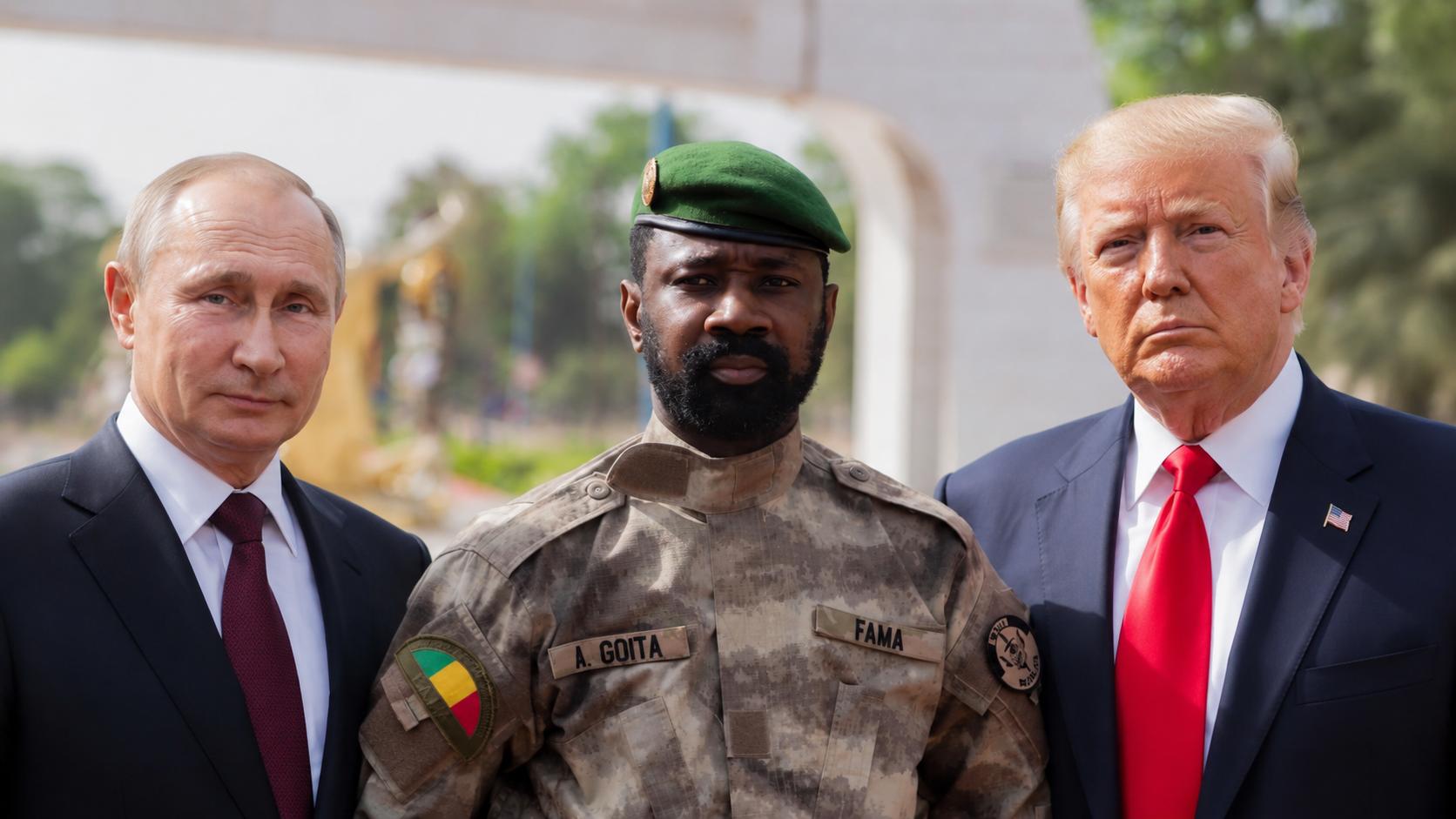
The initial hope for a swift resolution through alignment with Moscow has faded in Mali. Despite the Malian transitional government’s continued emphasis on self-reliance and its antagonistic stance towards Western allies, the situation on the ground paints a stark picture: security is rapidly deteriorating, and the strategy championed by Russian paramilitaries is proving to be a critical failure.
Africa Corps’ security shortcomings
Three years following the deployment of Russian mercenaries, initially known as Wagner and now operating as Africa Corps, Moscow’s promised assistance has yielded a particularly grim outcome:
- Operational Ineffectiveness and Significant Setbacks: Far from eradicating the threat, Africa Corps forces have suffered numerous tactical defeats. This is evident in the severe ambushes encountered in the northern regions, particularly near Anéfis, and the persistent attacks targeting joint airbases.
- Escalation of the Terrorist Threat: The Group for the Support of Islam and Muslims (JNIM), an Al-Qaïda affiliate, has never appeared more formidable or better equipped. The menace has shifted southward, now imperiling the nation’s economic and institutional core, posing a potential threat to the capital itself.
- Strategic Vulnerability: Deprived of the high-precision aerial intelligence, projection capabilities, and advanced technological assets previously provided by multilateral partnerships, the Malian Armed Forces (FAMA) and their Russian counterparts find themselves in a state of constant vulnerability.
The American option: leveraging technological precision to neutralize JNIM
As Russian paramilitary methods continue to falter, recent discussions in Washington regarding precision strikes against JNIM present a significant strategic opportunity that warrants serious consideration.
Moving beyond the large-scale ground interventions of the past, the high-precision strike model being explored by the US administration offers distinct tactical advantages:
- Decisive Technological Superiority: With an unparalleled intelligence network encompassing real-time intelligence gathering, Medium Altitude Long Endurance (MALE) drones, and satellite targeting, the United States possesses the unique capability to dismantle JNIM’s command structure and neutralize its senior leaders without deploying ground forces.
- Targeted Response to Terrorist Expansion: By directly targeting JNIM’s logistical backbone, such operations could immediately alleviate military pressure on Malian garrisons and disrupt the armed groups’ southward expansion towards the Gulf of Guinea.
- Overcoming Russian Partnership Limitations: Where Russian methods are hampered by a deficit in precision targeting and heavy air support, American strike capabilities offer a surgical solution. This approach can effectively dismantle the asymmetric threat without drawing the country into a protracted conflict of attrition.
Beyond dogma: safeguarding the nation
While the transitional government steadfastly adheres to a principle of self-sufficiency that now appears increasingly illusory, the stark realities—reflected in verifiable data and the profound distress of rural populations—underscore that no single nation can overcome a transnational terrorist threat of this magnitude in isolation.
To reject American interception and strike capabilities based on ideological posturing, especially while maintaining a demonstrably ineffective Russian partnership, constitutes a disproportionate and dangerous gamble. To halt JNIM’s advance and restore territorial integrity, military pragmatism dictates moving past political impediments and leveraging the only technological advantage capable of decisively shifting the balance of power.