
Mali faces turmoil after alleged assassination plot against goïta
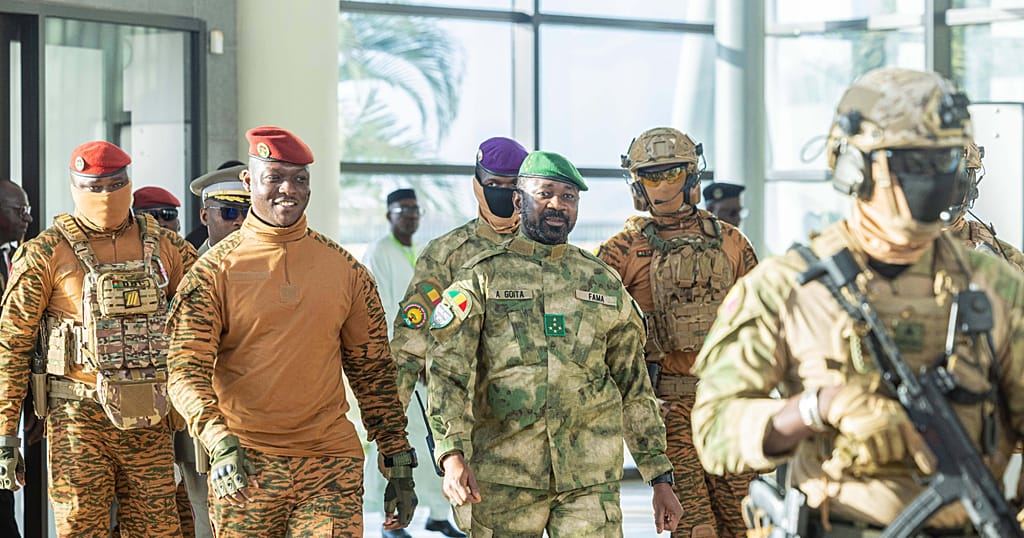
Tensions surge in Bamako following coordinated attacks
Bamako remains under a fragile calm after the violent incidents of April 25, which resulted in the death of General Sadio Camara, the second-highest-ranking figure in Mali’s military leadership. Authorities have now revealed what they describe as a meticulously planned assassination attempt targeting key national figures, including transitional President Assimi Goïta.
Military leadership uncovers alleged plot
The Malian Armed Forces held a press conference to expose what they termed a deliberate scheme to destabilize the government. According to military spokesperson Commander Djibrila Maiga, multiple explosive-laden vehicles were deployed during the assault, with one specifically aimed at the presidential residence. This carefully executed plan was designed to endanger the lives of our leaders, Maiga stated firmly.
Burkina Faso joins regional response
In a related development, authorities in Burkina Faso have decided to suspend the broadcasting of TV5Monde, accusing the international French-language network of promoting terrorism and undermining Mali’s transitional institutions. The move reflects growing regional concerns over media portrayals of Sahelian conflicts.
Public reactions highlight divided opinions
While some residents in Ouagadougou applaud the decision, arguing that such channels should not propagate extremist narratives within their borders, others criticize what they perceive as biased coverage. You cannot allow those who glorify terrorism to broadcast freely in our country, declared Flore Guigma. Serge Théophile Bancé added, There’s an evident patronizing tone in how they frame stories from our region.
Press freedom concerns escalate
International watchdog Reporters Without Borders has condemned the suspension, warning that it further restricts an already shrinking media landscape. Since Captain Ibrahim Traoré assumed leadership, several prominent international outlets—including Le Monde, LCI, France 24, RFI, BBC News, and Voice of America—have faced broadcasting bans.