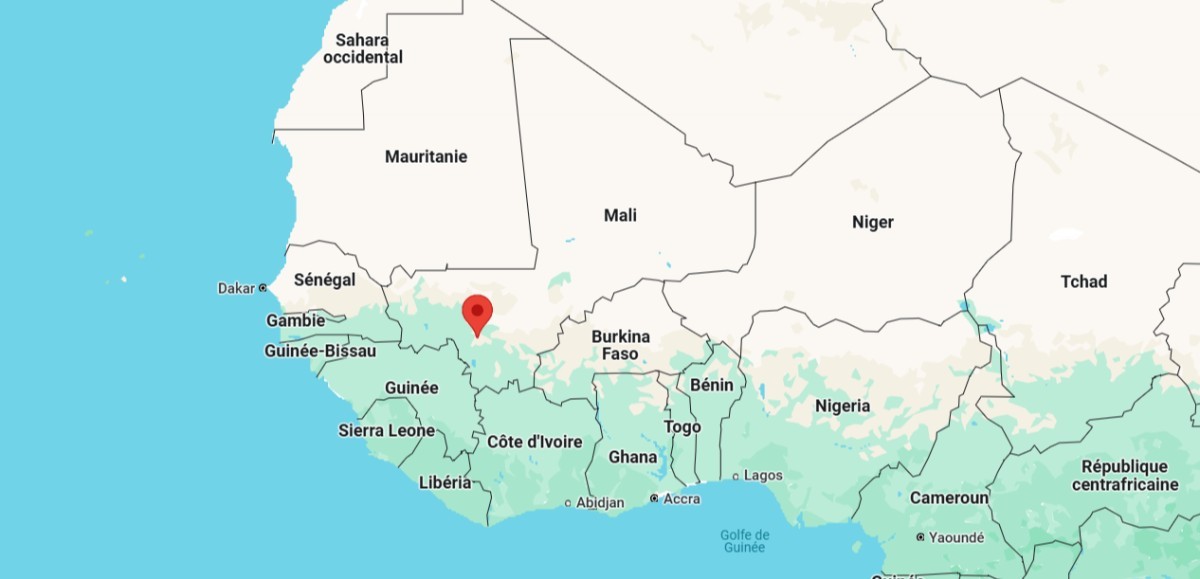

Mali protests in Bamako against potential political party ban
Hundreds of Malians took to the streets of Bamako on May 3rd to voice their opposition against a suspected move by military authorities to dissolve political parties. This rare public demonstration unfolded amid escalating concerns over the country’s democratic backsliding under the leadership of Interim President Assimi Goïta.
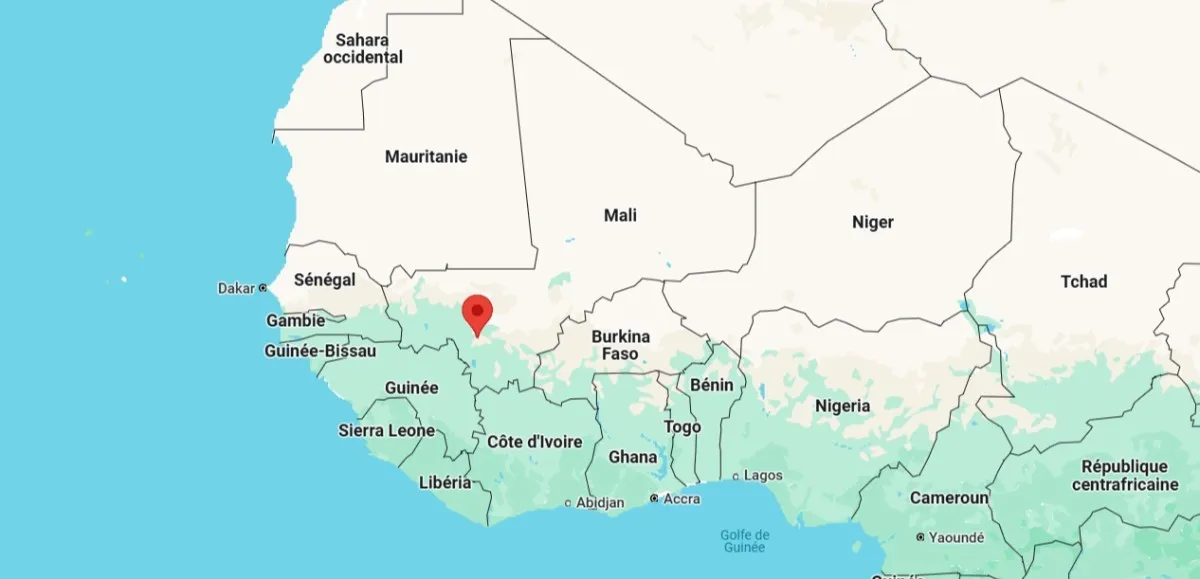
Call to defend democracy in Mali
Chanting slogans like “Long live democracy, down with dictatorship!”, protesters gathered at the Palais de la Culture in Bamako. The demonstration was organized by a coalition of political parties seeking to safeguard democratic freedoms and call for elections. Security forces monitored the event without incident, and the gathering gained significant traction on social media platforms.
The crowd, waving flags and holding signs, demanded the reinstatement of multiparty democracy and adherence to constitutional rights. This rare display of public dissent follows a period of increasing repression since the military’s takeover in 2020 and 2021.
Escalating political repression
On April 30, 2025, the Malian government revoked the law regulating political parties—a move widely seen as a precursor to their outright dissolution. This decision came after a controversial consultation process led by the junta, which was boycotted by most opposition parties.
The recommendations emerging from this process go even further: they propose abolishing political parties entirely and extending General Goïta’s presidency for another five years, renewable without elections. The final decision now rests with Goïta, who has led the country since seizing power in successive coups.
Democracy under threat
This protest marks one of the few public acts of defiance against Mali’s military regime since 2021. Since then, authorities have intensified crackdowns on opposition figures, dissolved civil society organizations, and restricted press freedoms.
Despite these actions, Mali’s 1992 Constitution and the 2023 Fundamental Law still uphold principles of multiparty democracy, free speech, and association. However, the junta’s recent moves appear to directly contradict these guarantees.
The situation in Mali reflects broader trends across West Africa, particularly in the Alliance of Sahel States (AES)—a bloc formed with Burkina Faso and Niger after their withdrawal from the Economic Community of West African States (ECOWAS), which they accuse of favoring French interests.
Key takeaways
- Protesters in Bamako demanded the reversal of a law seen as threatening political parties.
- The junta’s recommendations include dissolving parties and extending Goïta’s rule.
- Since 2021, Mali has seen increased repression of dissent and restrictions on freedoms.
- The country’s withdrawal from ECOWAS aligns it with military-led states in the Sahel.



