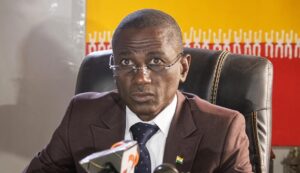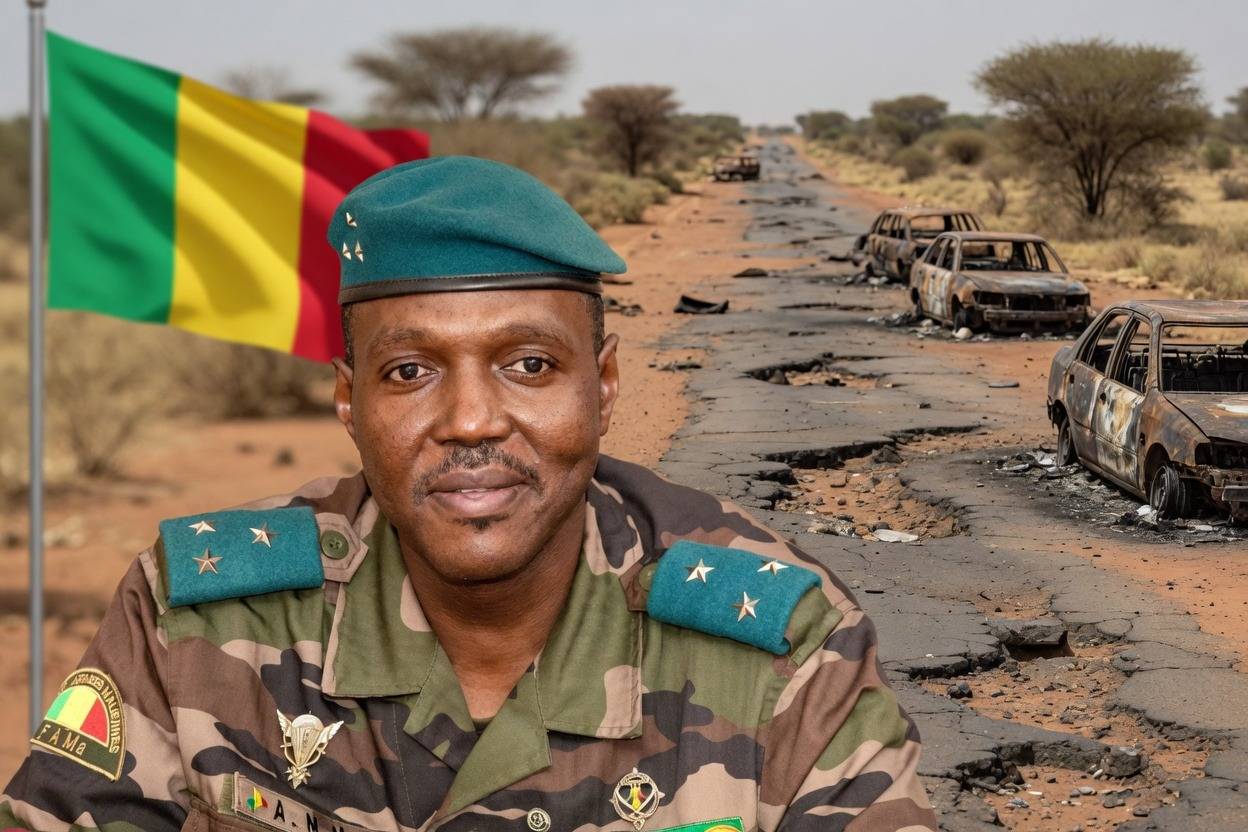

The desolate supply routes crisscrossing northern Mali present a grim tableau: charred vehicle husks, rotting food provisions, and lifeless bodies abandoned by the roadside. A pervasive scent of decay hangs heavy, a chilling testament to the brutal violence gripping the nation. Yet, confronted with this profound humanitarian and security catastrophe, Mali’s transitional authorities appear to dwell in an alternate reality. "There is no blockade on the roads. Everyone moves freely in Mali," asserted Prime Minister Abdoulaye Maïga, a desperate verbal maneuver to obscure the evident disintegration of state control.
This persistent rhetoric of denial highlights a widening chasm between the military government and the lived experiences of Mali’s civilian populace. While official pronouncements from Bamako frequently herald victories, the essential arteries connecting the southern and northern regions have transformed into vast open-air cemeteries. The current administration appears to have exchanged genuine territorial protection for an aggressive communication strategy, where any acknowledgement of Malian suffering is construed as an act of subversion. By prioritizing a narrative of restored sovereignty over the fundamental physical security of its citizens, the ruling junta isolates itself in an ivory tower, a costly detachment measured in human lives.
Strategically, the failure is equally stark. The decision to abruptly sever ties with long-standing international partners in favor of new alliances has, thus far, failed to deliver the promised security improvements. Instead, the departure of international forces created a power vacuum, swiftly exploited by armed terrorist groups who have imposed brutal sieges on communities across the North and Center. The regime, demonstrating an inability to safeguard vital supply convoys, appears to have forfeited the operational initiative, resorting to intermittent air strikes in areas that desperately require a sustained territorial presence to alleviate economic strangulation.
Ultimately, political stagnation and the severe curtailment of individual freedoms further undermine the nation’s stability. By stifling the voices of journalists, opposition figures, and civil society members who bravely speak out about the crisis, the government deprives itself of critical mechanisms essential for genuine national resilience. The absence of a clear electoral timeline and the regime’s increasing authoritarianism suggest that the primary focus has shifted from resolving the security crisis to perpetuating its own power, sustained by a superficial nationalism in the absence of tangible battlefield successes. While fiery speeches echo within the halls of Bamako, the real Mali, away from the capital, continues to decay along its desolate roadways.