
The Malian government’s official narrative of growing military strength and sovereign control over national territory has been sharply undermined by the opening of the Military Tribunal of Mopti in Sévaré on October 19, 2026. With 72 defendants—69 of them soldiers—facing 43 cases ranging from arms trafficking to desertion and violent crimes, the courtroom exposes an institution crippled by deep structural failures from within.
Stolen state weapons: the lifeline for Mali’s extremist enemies
Among the most damning revelations is the mishandling of military equipment. Nearly half of the cases involve the loss, theft, diversion, or trafficking of weapons, ammunition, and magazines. Beneath the legal jargon lies a harsh security reality: a substantial portion of the state-issued arsenal ends up in the hands of Mali’s adversaries. In the central and northern operational zones, equipment siphoned from official stocks—whether through negligence, corruption, or active complicity—frequently surfaces among fighters of the Jama’at Nusrat al-Islam wal Muslimeen (JNIM) and the Islamic State in the Greater Sahara (EIGS).
While Bamako consistently condemns alleged foreign backers of terrorist groups, the tribunal’s proceedings reveal a toxic supply chain thriving within military barracks and ammunition depots. The irony is bitter: Malian soldiers often fall to bullets paid for by their own government’s budget.
The desertion epidemic: a force stretched to breaking point
The surge in desertions—identified by the military prosecutor as the second most common offense—lays bare the moral exhaustion and fracturing discipline within the ranks. Repeated abandonments of post and unauthorized departures expose the hollowness of rhetoric about “sacrifice” and “duty.” Despite calls for reintegration and ultimatums from high command, the trend persists, thinning the already strained frontline presence.
Even more alarming are the cases of assassination, torture, abduction, and sexual violence attributed to military personnel. These abuses against civilians confirm warnings from human rights organizations. By alienating local communities, such misconduct severs the army’s most vital intelligence source and plays directly into insurgent propaganda, which portrays these groups as protectors against state excesses.
A justice system on the brink of collapse
The tribunal’s session, framed as a display of transparency and rigor, instead highlights the chronic delays plaguing Mali’s military justice system. The prosecution cites insecurity, a shortage of magistrates, and geographic remoteness as reasons for the infrequent hearings. Yet, this inefficiency results in prolonged pretrial detentions, with some defendants languishing in prison for years before facing a judge—a practice condemned by the Malian Bar Association.
A call for reckoning at the highest level
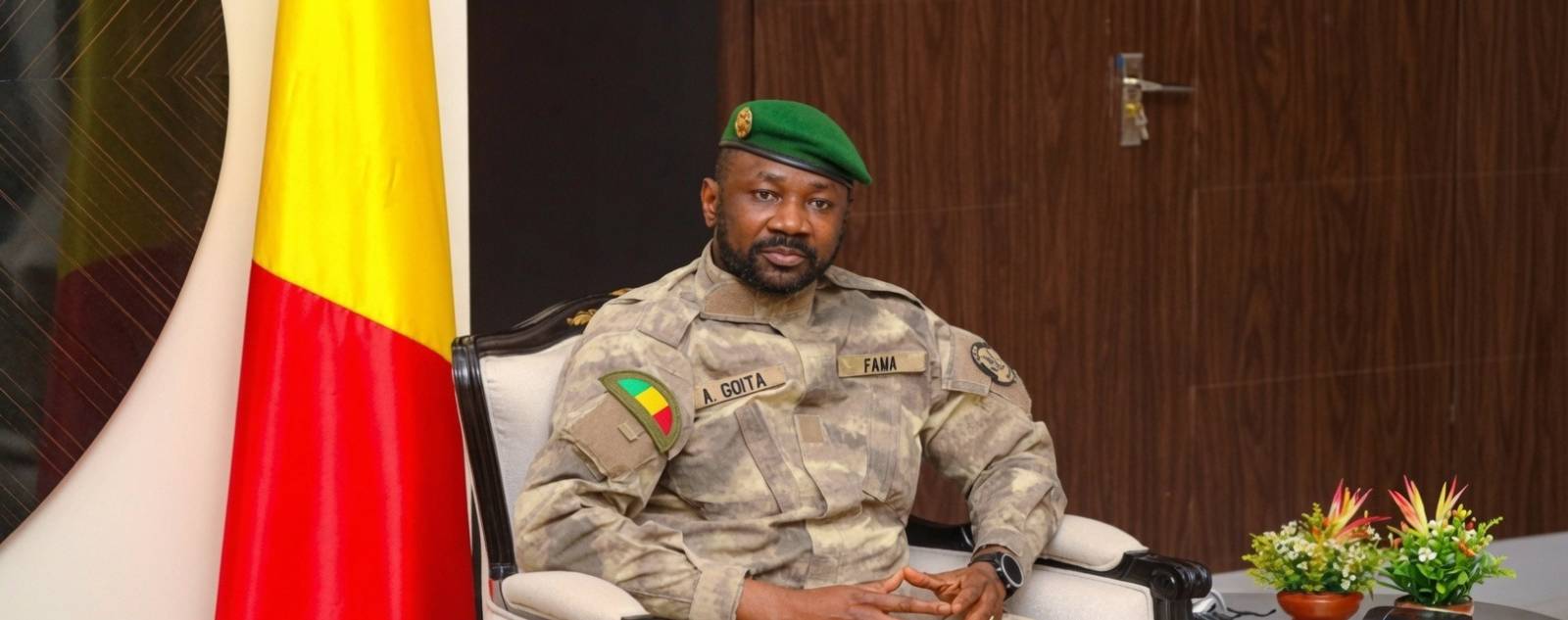
For Colonel Assimi Goïta and the supreme command, the Sévaré trials must not be treated as mere routine cleanup or a public relations exercise. They serve as a stark warning: no military strategy can succeed if the chain of command permits weapons to leak to the enemy, if discipline crumbles at the front, and if justice operates sporadically. Before demanding the population’s unconditional trust, Mali’s defense apparatus must first confront its own failures and seal the leaks draining its strength.