
The eruption at Goumeri W8 was more than an industrial mishap—it was a pressure test for Niger’s oil partnerships. Beneath the surface of a technical emergency lay a web of financial stakes, diplomatic friction, and unanswered questions about control. As crude spewed from the well on September 25, the incident laid bare the fault lines between Niamey, Beijing, and Algiers, each pulling in different directions over who calls the shots in one of Africa’s most strategic energy sectors.
Now, with environmental risks mounting and an ultimatum issued to foreign operators, the crisis has become a turning point: can Niger assert sovereignty over its resources without destabilizing the very infrastructure it depends on?
From technical failure to diplomatic standoff
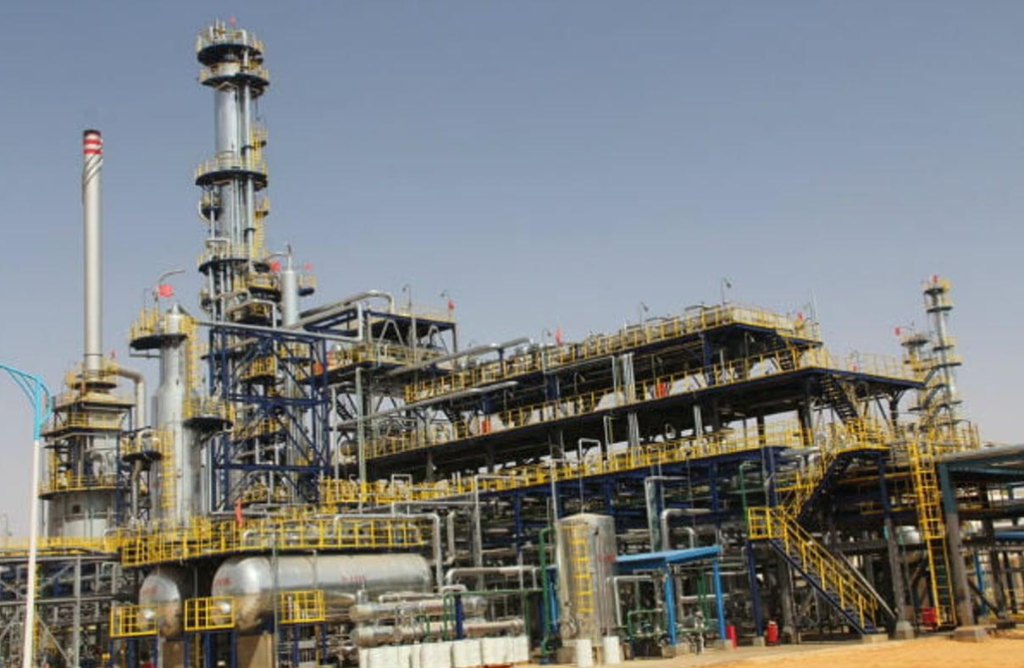
The Agadem basin, operated by CNPC Niger Petroleum, was supposed to be a model of energy cooperation. But when Goumeri W8 blew out, the response revealed deep divisions. The immediate challenge was clear: contain the eruption, secure neighboring wells like W3 and W4, and prevent further environmental damage. Yet as teams scrambled to stabilize the site, a second, more complex battle unfolded—over who had the authority to direct the response.
Niger’s petroleum ministry labeled the September 25 eruption an “exceptionally severe” incident, with two workers hospitalized in the initial hours. By October 12, officials claimed partial containment, but full control remained elusive. The stakes were high: in an industry where precision is non-negotiable, missteps in coordination or risk assessment could turn a bad situation catastrophic.
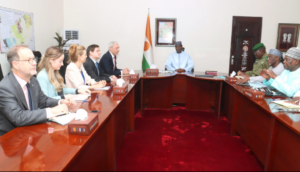
Then came the twist. As CNPC’s own crews worked to cap the well, Niamey requested backup—this time from Algerian experts, including specialists from Sonatrach. The move, framed as a technical necessity, introduced a new layer of complexity. Sources close to the operation suggest the arrival of Algerian technicians sparked disagreements over command structures, with tensions flaring over how much decision-making power should rest with the Chinese operator. While unconfirmed, these reports raise a critical question: in a multilateral crisis, who holds the final say?
The algerian intervention: expertise or escalation?
Niger’s call for Algerian assistance wasn’t unusual on its own. In high-stakes oil emergencies, additional expertise can be a game-changer. Sonatrach, with its deep experience in hydrocarbon management, was a logical choice for support. But the context made it contentious.
Rumors had already swirled around earlier disputes at the SORAZ refinery, where alleged adjustments to hydrocarbon flow parameters had triggered technical concerns. Though unverified, these claims fueled suspicions that Algerian involvement at Goumeri W8 wasn’t purely altruistic. More importantly, they underscored a glaring gap: without clear protocols, the intervention risked creating more confusion than clarity.
For Niamey, the right to seek outside help is non-negotiable. Yet in a crisis, expertise must align with established safety procedures and transparent chains of command. The absence of either could turn assistance into interference—and an industrial accident into a diplomatic one.
Environmental containment: a superficial fix?
On the ground, the focus wasn’t just on stopping the flow of oil—it was on stopping its spread. Bulldozers carved containment barriers into the earth, and sand berms were erected to trap surface spills. These measures may have slowed the visible damage, but they didn’t address the root problem: a high-pressure eruption doesn’t vanish just because it’s buried.
Hydrocarbons can linger beneath the surface, seeping into groundwater or releasing toxic vapors. For local communities, the questions are urgent: Is the water safe? Are the pastures contaminated? Are workers and residents receiving proper health monitoring? And who will foot the bill for long-term remediation?
By October 20, officials declared the spill contained, with plans to drill a relief well (Goumeri W-8R) between late October and December. Yet containment is not cleanup. Without independent soil and water testing, along with a public map of affected areas, claims of progress remain unproven. The risk? Declaring victory too soon—only for hidden damage to resurface later.
The $400 million elephant in the room
To understand why Goumeri W8 became a flashpoint, look beyond the wellhead. China’s role in Niger’s oil sector is monumental. From the Agadem block to the Zinder refinery and export pipelines, CNPC’s investments—totaling billions—have reshaped the country’s energy landscape. But this interdependence comes with strings attached.
In April 2024, Niger struck a deal with CNPC for a $400 million advance on future oil revenues, to be repaid over 12 months at 7% interest. The agreement gave Niamey immediate liquidity but also highlighted a harsh reality: the relationship is as much financial as it is technical. Any prolonged dispute could disrupt operations, shake investor confidence, and jeopardize the very infrastructure Niger relies on.
With cumulative sector investments hitting $8.34 billion by June 2026 (per Nigerien press agency figures), the stakes are enormous. Yet attributing all of this to China alone would be misleading. The number reflects the scale of capital tied to Niger’s oil ambitions—and the high cost of getting it wrong.
Niamey’s ultimatum: a warning shot with global echoes
On October 13, 2026, Niger’s government gave CNPC, WAPCO, and SORAZ a 45-day ultimatum to address alleged breaches of contract. The accusations were severe: over 3 trillion CFA francs in unrepatriated export earnings since April 2024, and a 17.4 billion CFA franc shortfall for the national treasury. Foreign Minister Bakary Yaou Sangaré’s statements framed the move as a demand for accountability—on revenue transparency, local hiring, and contractual obligations.
The ultimatum sent a clear message: Niamey is no longer willing to accept empty promises. But its success hinges on more than tough talk. Without verifiable data, independent audits, and enforceable mechanisms, the demands risk becoming another point of contention in an already strained relationship.
China’s dilemma: cooperation or confrontation?
The Niamey-Beijing partnership is at a crossroads. Niger wants greater control over its oil wealth and stricter adherence to agreements. For China, the priorities are maintaining operational stability and protecting its investments. The two aren’t mutually exclusive—but they require trust, transparency, and a shared commitment to the rules.
CNPC remains indispensable to Niger’s oil sector. A prolonged standoff could paralyze operations, deter other investors, and complicate efforts to secure Goumeri W8. Yet yielding to Niger’s demands without safeguards could set a precedent that undermines future projects. The challenge? Balancing economic sovereignty with industrial pragmatism.
Algeria’s role: neutral expert or strategic player?
Algeria’s involvement in Goumeri W8 adds another dimension to the crisis. By inviting Sonatrach, Niamey gained regional expertise—but also invited scrutiny. Was the move purely technical, or did it signal a shift in alliances?
There’s no public evidence that Algeria seeks to replace China in Niger’s oil sector. Yet the lack of clarity over roles—Who approves operations? Who bears responsibility for on-site decisions?—leaves room for speculation. For the intervention to work, all parties must agree on one thing: expertise is only valuable if it’s coordinated, accountable, and aligned with Niger’s interests.
The path forward: facts over fiction
In the fog of crisis, rumors spread faster than oil. Accusations fly, but answers are scarce. Niger has announced an independent investigation into Goumeri W8, promising to clarify the eruption’s causes, the response’s effectiveness, and the environmental toll. This probe is critical—not just to assign blame, but to separate technical failures from contractual disputes, and verified facts from political narratives.
CNPC, Sonatrach, and Nigerian authorities must present their evidence publicly. The severity of the incident demands rigor, not conjecture. Only then can trust be rebuilt—and only then can the focus return to where it belongs: securing the well, protecting communities, and ensuring Niger’s oil wealth serves its people, not just its partners.
The bigger picture: sovereignty vs. stability
Goumeri W8 is a microcosm of Niger’s broader struggle: how to assert control over its natural resources without destabilizing the partnerships that sustain them. The $400 million advance, the billions invested in infrastructure, the financial demands from Niamey, and the presence of Algerian experts all tell parts of the same story—a story where economics, engineering, and diplomacy are now inseparable.
Yet oil doesn’t care about geopolitics. Until the well is secured and the land is decontaminated, the risk remains. For Niamey, the dual priority is clear: hold partners accountable while ensuring the crisis doesn’t leave lasting scars on its people or environment. For Beijing and Algiers, the test is proving their cooperation can be transparent, equitable, and results-driven.
At Goumeri W8, the real question isn’t which partner will emerge stronger from this standoff. It’s whether Niger can turn a disaster into a lesson—and its oil reserves into a tool for development, not division.