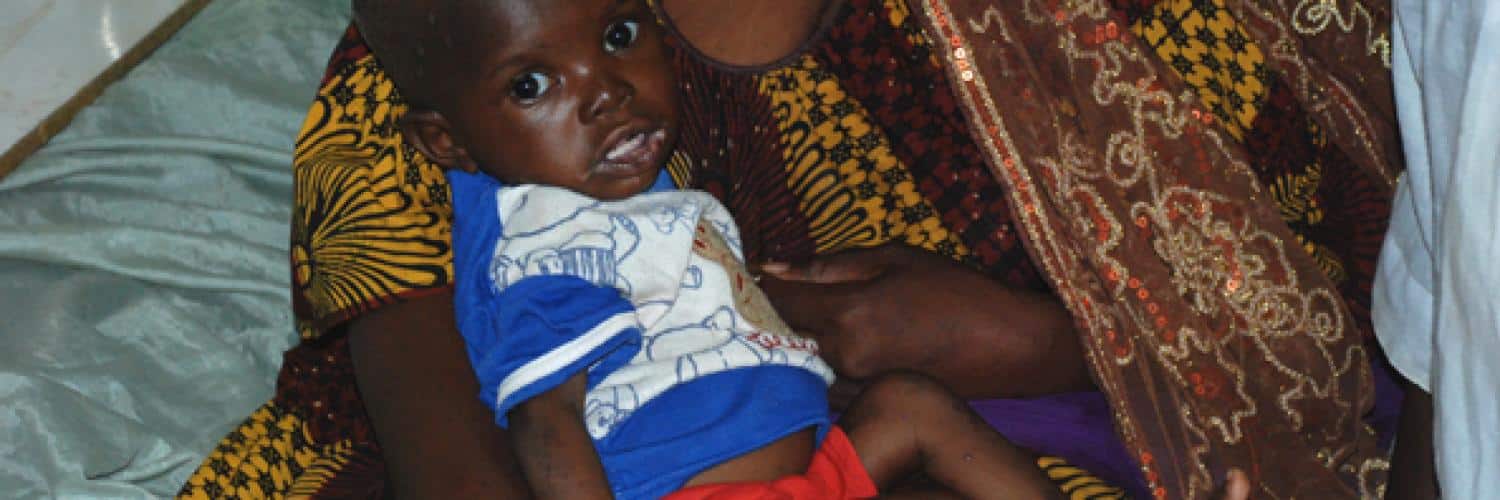

In Mali, a landlocked country in West Africa, malnutrition remains one of the most pressing public health issues. With a population of over 15 million, the nation faces persistent nutritional challenges despite ongoing prevention efforts. Regional pockets of high malnutrition rates continue to strain families and the healthcare system alike.
Families in Mali often struggle with closely spaced pregnancies, a factor strongly linked to child and maternal malnutrition. Larger household sizes further exacerbate this issue, creating vulnerable conditions where malnutrition thrives. The consequences are severe: nearly one in five Malian children does not survive past the age of five, highlighting the urgent need for intervention.
alarming malnutrition rates in Mali
Recent data reveals alarming statistics. Acute malnutrition affects 15% of Mali’s population, exceeding the World Health Organization’s emergency threshold of 10%. Chronic malnutrition is even more widespread, impacting 38% of children under five, while the international alert threshold stands at 20%. These figures place Mali well above global health safety limits.
Additionally, over 80% of children under five and 65% of women in Mali suffer from iron deficiency, one of the highest rates globally. This deficiency severely impairs cognitive development in children and learning capacity, while pregnant women with anemia face higher risks of delivering malnourished babies. Collectively, these factors affect 40% of Mali’s population, underscoring the scale of this crisis.
combating malnutrition: strategies and progress
The Malian government has prioritized nutrition through a comprehensive national policy aimed at reducing malnutrition rates. Key initiatives include universal salt iodization to combat iodine deficiency disorders. Today, 79% of households in Mali have access to iodized salt, though the target remains 90%.
Since 2005, the country has implemented Nutrition Intensification Weeks (SIAN), held twice annually. These campaigns, which cover 95% of Mali, specifically target children aged 6 to 59 months. SIAN has become deeply embedded in local communities, fostering awareness and prevention. Activities focus on distributing vitamin A supplements and deworming tablets, both proven to reduce child mortality rates.
The Malian government, in partnership with UNICEF and other humanitarian organizations, has made significant strides. By 2010, 50% of children with severe acute malnutrition received treatment, and coverage continues to expand. UNICEF’s community-based approach emphasizes early detection of malnutrition signs, timely intervention, and education on clean water benefits. As Médiatrice Kiburente Touré notes, “Continuous community education is vital, especially in addressing root causes like unsafe water and poor sanitation.”
These coordinated efforts are gradually reducing malnutrition’s devastating impact, but sustained action remains essential to protect Mali’s most vulnerable populations.