
Maroc united states strategic partnership deepens
Morocco and the United States forge a deepening strategic alliance
In recent years, Morocco and the United States have cultivated one of their strongest diplomatic and military relationships in decades. This evolving partnership spans economic cooperation, security collaboration, and geopolitical alignment, reshaping North Africa’s strategic landscape. How did this alliance develop, and what benefits does it offer both nations?
Historical foundations of a robust relationship
The roots of Morocco-United States ties stretch back to the late 18th century, when the two nations established formal diplomatic relations in 1787. This early connection laid the groundwork for what would become a multifaceted partnership. The relationship deepened significantly during the Cold War era, with Morocco serving as a key U.S. ally in countering Soviet influence across North Africa.
Under the leadership of King Mohammed VI, this alliance has entered a new phase. The Moroccan monarch has worked closely with successive U.S. administrations to address shared challenges, from counterterrorism to regional stability. This continuity in leadership has provided a stable foundation for expanding cooperation across multiple domains.
Military cooperation: a cornerstone of the partnership
The defense relationship between Rabat and Washington has reached unprecedented levels. Joint military exercises, intelligence sharing, and defense technology transfers have become regular features of this collaboration. The U.S. has provided Morocco with advanced military equipment, including F-16 fighter jets and modernized Apache helicopters, enhancing the North African nation’s defense capabilities.
A particularly significant development came with Morocco’s inclusion in the Middle East Strategic Alliance, a U.S.-led regional security framework. This move underscored Washington’s confidence in Rabat as a trusted partner in maintaining regional security. The partnership extends beyond hardware transfers, encompassing joint training programs and capacity-building initiatives that strengthen Morocco’s indigenous defense infrastructure.
Economic ties: trade and investment flourish
Economic cooperation between the two nations has expanded dramatically in recent years. The U.S.-Morocco Free Trade Agreement, implemented in 2006, has created one of the most open trade relationships between an African nation and the United States. Two-way trade has flourished, reaching billions of dollars annually across sectors including automotive, aerospace, and agriculture.
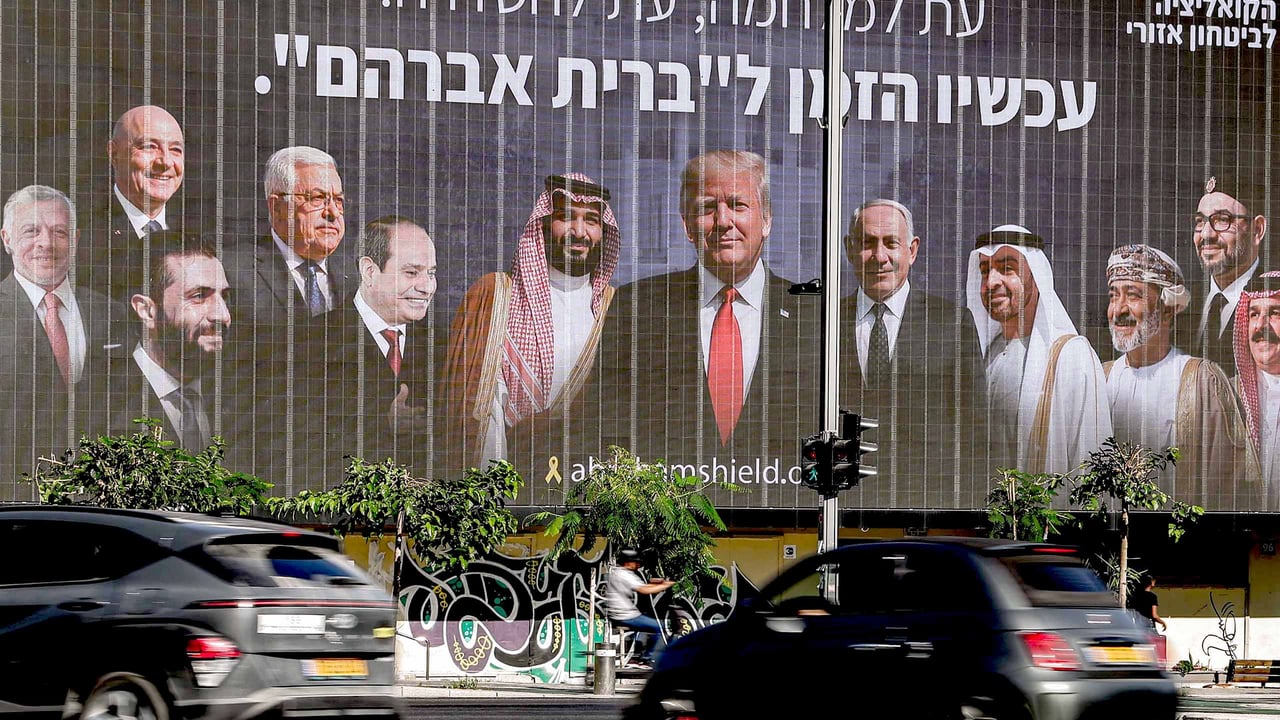
American companies have made substantial investments in Morocco’s growing industrial zones, particularly in the automotive manufacturing hub of Kenitra. This economic integration has created thousands of jobs in both countries and positioned Morocco as a key manufacturing gateway to Europe and Africa. The recent normalization of relations with Israel, facilitated by the Abraham Accords with U.S. mediation, has opened additional economic opportunities for Moroccan businesses.
Diplomatic milestones: resolving long-standing conflicts
One of the most notable achievements in Morocco-U.S. relations came with the resolution of the decades-long dispute over Western Sahara. The Trump administration’s recognition of Moroccan sovereignty over the territory in December 2020 represented a major diplomatic victory for Rabat. This decision came after years of U.S. mediation efforts and reflected Washington’s growing confidence in Morocco’s regional leadership.
The creation of the Middle East Peace Plan, spearheaded by the U.S. government, further cemented this strategic partnership. Morocco’s participation in this initiative demonstrated its commitment to regional stability and its alignment with U.S. foreign policy objectives. These diplomatic breakthroughs have elevated Morocco’s international standing while strengthening its partnership with Washington.
Looking ahead: the future of Morocco-U.S. relations
The trajectory of this alliance suggests continued strengthening in the coming years. Both nations share common interests in countering terrorism, ensuring maritime security in the Mediterranean, and fostering economic development across North Africa. The regular high-level exchanges between Rabat and Washington indicate a relationship that extends beyond transactional cooperation into genuine strategic alignment.
As Morocco continues to position itself as a bridge between Africa, Europe, and the Middle East, its partnership with the United States will likely remain a cornerstone of its foreign policy. For Washington, maintaining a strong relationship with Rabat provides a reliable partner in a region facing increasing geopolitical challenges.
The Morocco-United States alliance represents more than just diplomatic rhetoric—it’s a practical, results-oriented partnership that delivers tangible benefits to both nations and the broader region. As this relationship continues to evolve, it will undoubtedly shape the geopolitical landscape of North Africa for years to come.