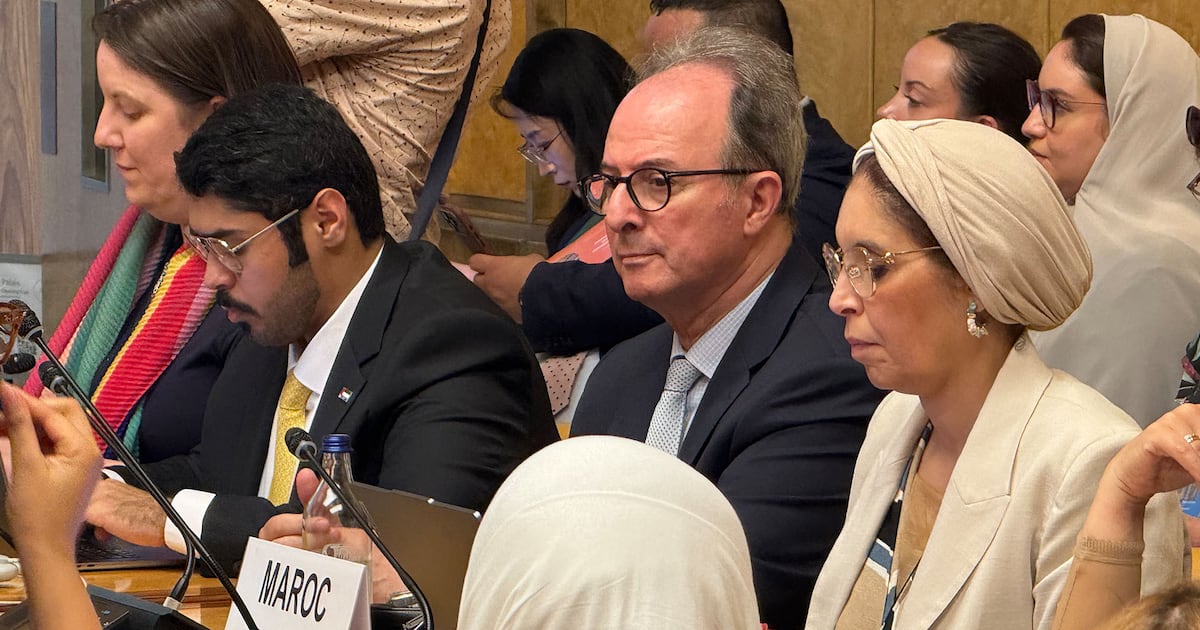

During a high-level meeting centered on the theme of “Beijing after 30 years,” Morocco presented its strategic proposals to enhance the United Nations human rights framework. The discussions focused on mobilizing international systems to advance gender equality and ensure the full protection of rights for women and girls.
El Habib Belkouch emphasized that active engagement within the Human Rights Council is vital for monitoring global and domestic progress. He highlighted Morocco’s proactive role, specifically pointing to the international colloquium held in Rabat which marked the 20th anniversary of the Universal Periodic Review (UPR). This event stands as a pioneering global initiative aimed at refining one of the UN’s most effective accountability tools.
The objective is not merely to hold isolated events but to follow a comprehensive strategy that streamlines international human rights mechanisms. Plans are currently underway for an upcoming international session dedicated to assessing various UN components, including treaty bodies and special procedures like working groups and rapporteurs. This initiative seeks to eliminate thematic redundancies and foster better institutional harmony, particularly in sensitive areas such as children’s rights.
Turning global challenges into reform opportunities
Addressing the current international climate, El Habib Belkouch described the present era of crisis as a unique window for ambitious structural changes. He argued that overcoming these challenges requires establishing positive outlooks and reinforcing human rights protections against growing global opposition.
Furthermore, the Moroccan approach to national monitoring and the implementation of international recommendations has gained significant traction. This model is increasingly viewed as a reference point for other nations. Countries including the Netherlands, South Korea, and the United Arab Emirates have expressed keen interest in the Moroccan experience, initiating exchanges to learn from its implementation strategies.
According to the interministerial official, these national frameworks represent the future of human rights action. By shifting the focus from simply receiving recommendations to ensuring their concrete application, these mechanisms bridge the gap between policy and reality. Morocco’s commitment to these structural debates was previously showcased at the Glion forum, reinforcing its dedication to a more efficient and coherent global governance system.