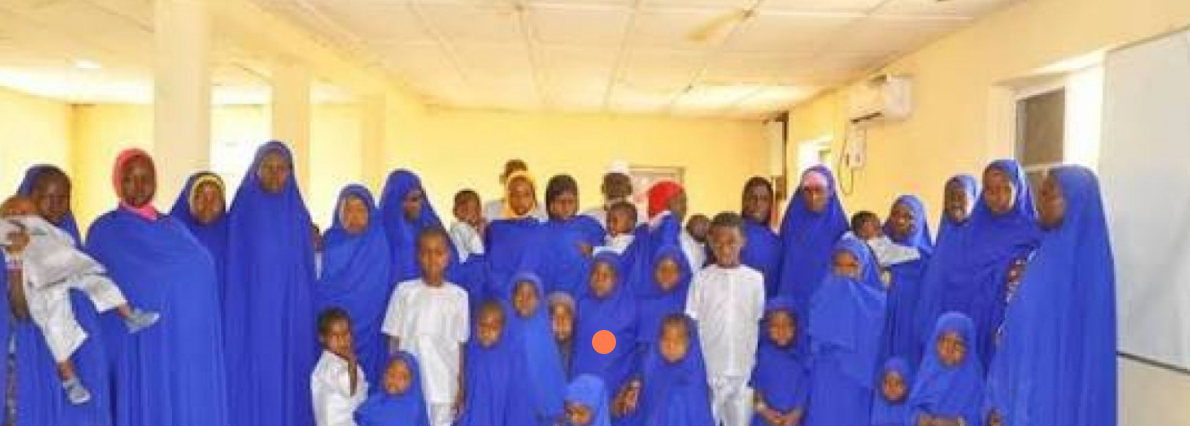

In a decisive move against insurgent strongholds, the Nigerian military successfully liberated 47 individuals, primarily women and children, who were being held captive by the Islamic State West Africa Province (ISWAP). This successful rescue mission is the result of intensified ground and air strikes targeting jihadist enclaves in the Kangarwa region of Borno State, situated near the strategic Lake Chad basin.
Borno State, which has remained the focal point of the decade-long insurgency in northeastern Nigeria, saw a moment of hope as troops pushed into enemy territory. During a precision strike supported by the Air Force, at least 47 civilians were snatched from the clutches of ISWAP. This military intervention underscores a renewed commitment to securing this volatile and highly strategic border zone.
A coordinated strike near Lake Chad
The freedom of these hostages was not a matter of chance but the direct consequence of a large-scale offensive strategy. Over the past several weeks, the military has ramped up its presence in the Kukawa Local Government Area, specifically focusing on the Kangarwa axis. This region is notorious for harboring fortified ISWAP camps, where the group exploits the difficult geography and porous borders of the Lake Chad basin to hide captives and launch criminal activities.
During the assault, synchronized firepower from ground units and aerial assets overwhelmed the insurgents. Facing the rapid advance of troops under Operation Hadin Kai, the extremist fighters were forced to abandon their defensive lines. This hasty retreat created the necessary opening for the captives to escape their places of confinement, some after enduring many months of forced isolation.
Women and children: the primary targets
The demographic of the rescued group—almost entirely women and young children—highlights the predatory tactics used by jihadist factions in the region. Whether under the banner of ISWAP or Boko Haram, these groups systematically target the most vulnerable during raids on remote settlements. These individuals are often exploited as forced labor, human shields, or subjected to forced marriages.
Immediately following their rescue, the survivors were handed over to military medical teams. After being moved to a secure location, they are receiving emergency medical care, health assessments, and initial psychological counseling to address the deep trauma of their captivity. Military officials are now working with humanitarian organizations and the Borno State government to coordinate logistics and begin the process of reuniting these survivors with their families.
Regional security and the road ahead
This tactical success comes amid a broader push to dismantle ISWAP’s logistical networks across the Lake Chad region. By launching deep incursions into remote strongholds like Kangarwa, the military is shifting from a defensive posture to an active offensive one. This change in strategy aims to choke off the movement of terrorist cells that have long operated with relative impunity in the bush.
While these rescues represent significant victories, the path to total stabilization remains difficult. The persistent threat of asymmetric counter-attacks and the use of improvised explosive devices (IEDs) continue to complicate the return of normal life for the millions of internally displaced persons in the region. The Kangarwa operation proves that air-ground coordination is improving, but transforming military gains into a lasting peace in Borno State will require sustained political and humanitarian commitment.