
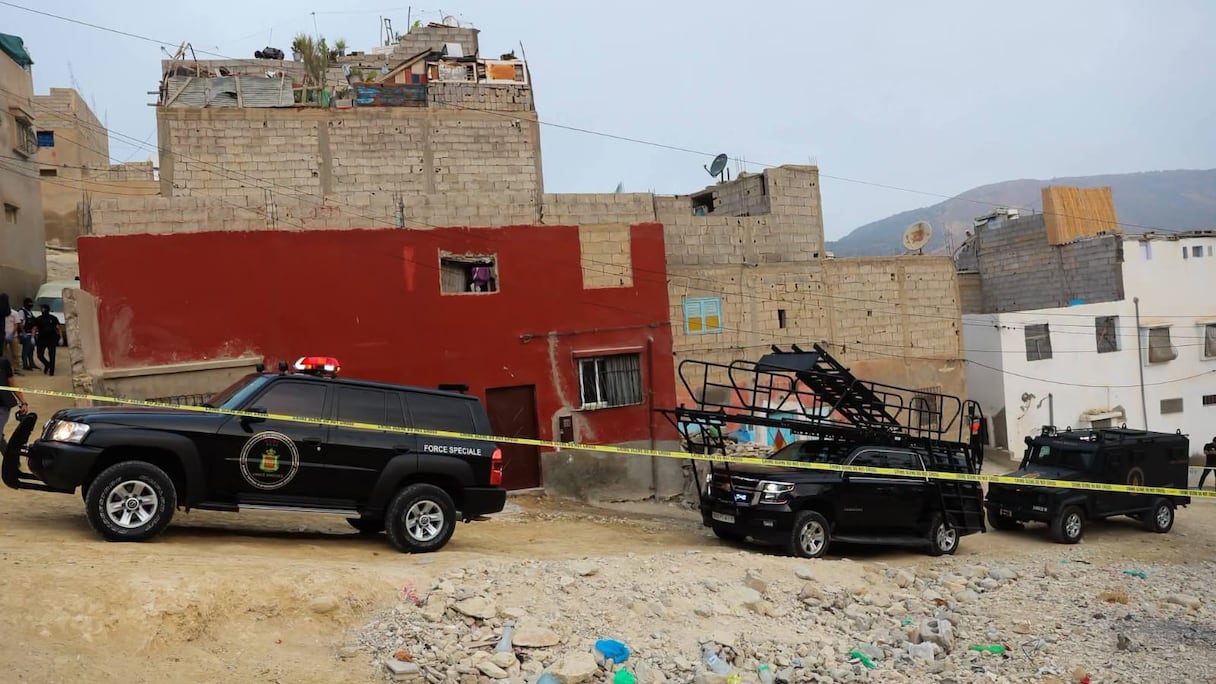
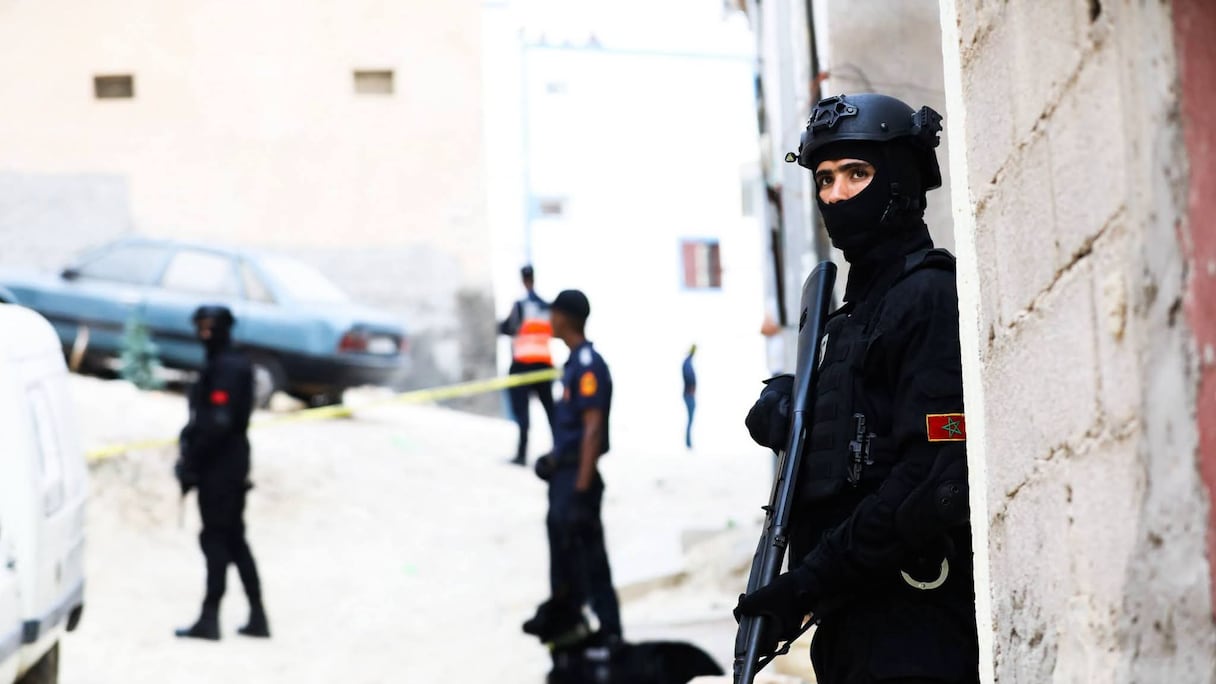
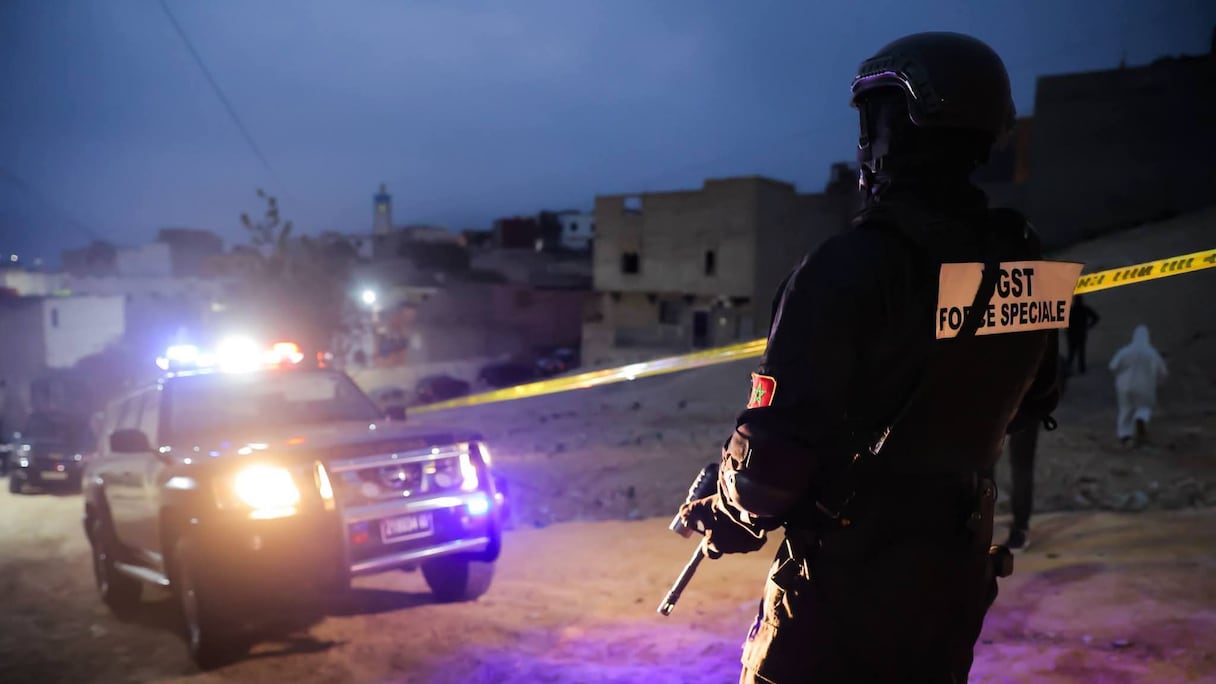
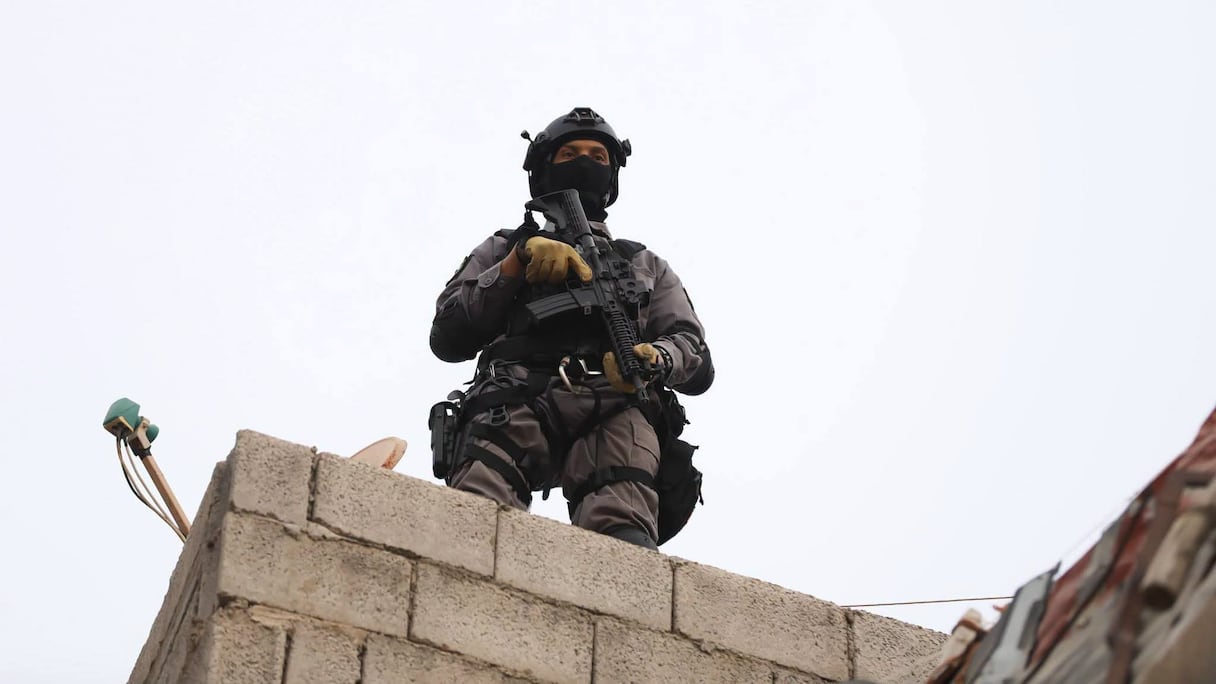
As dawn broke over Aourir, a quiet coastal village just north of Agadir, elite counterterrorism units moved swiftly through its still-sleeping streets. Their mission: dismantle a radicalized extremist linked to the so-called Islamic State before he could strike. Acting on intelligence from the Directorate General for Territorial Surveillance (DGST), the Special Forces executed a precision raid, neutralizing the suspect within moments.
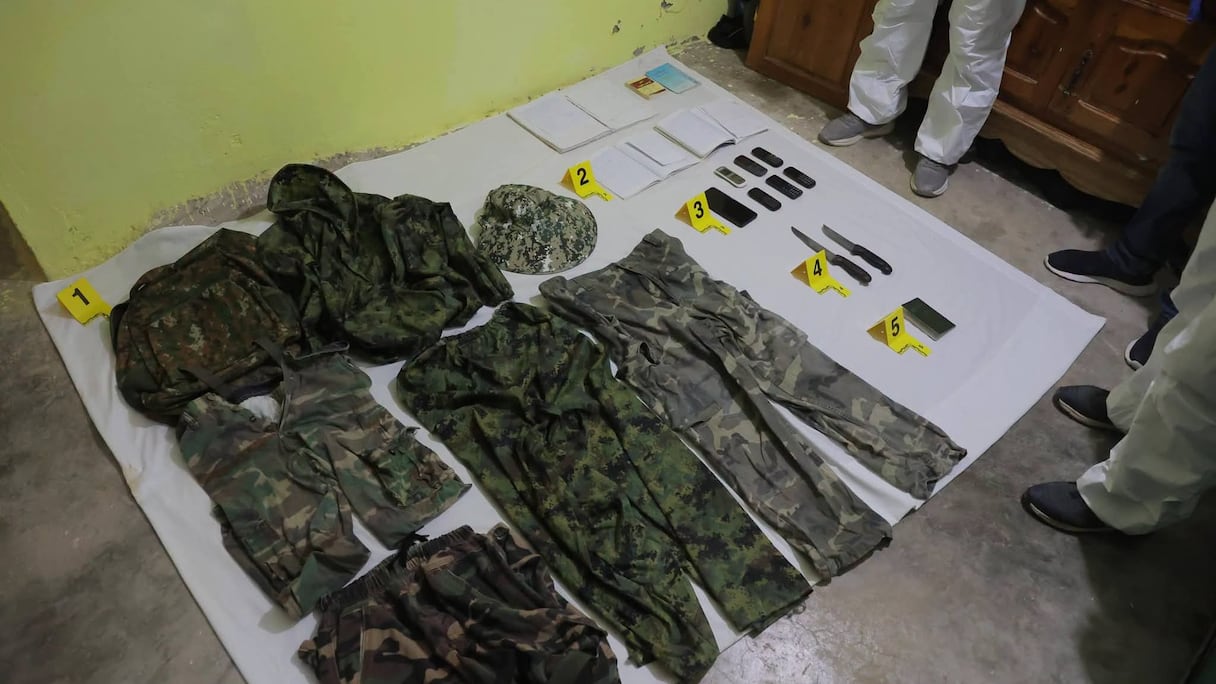
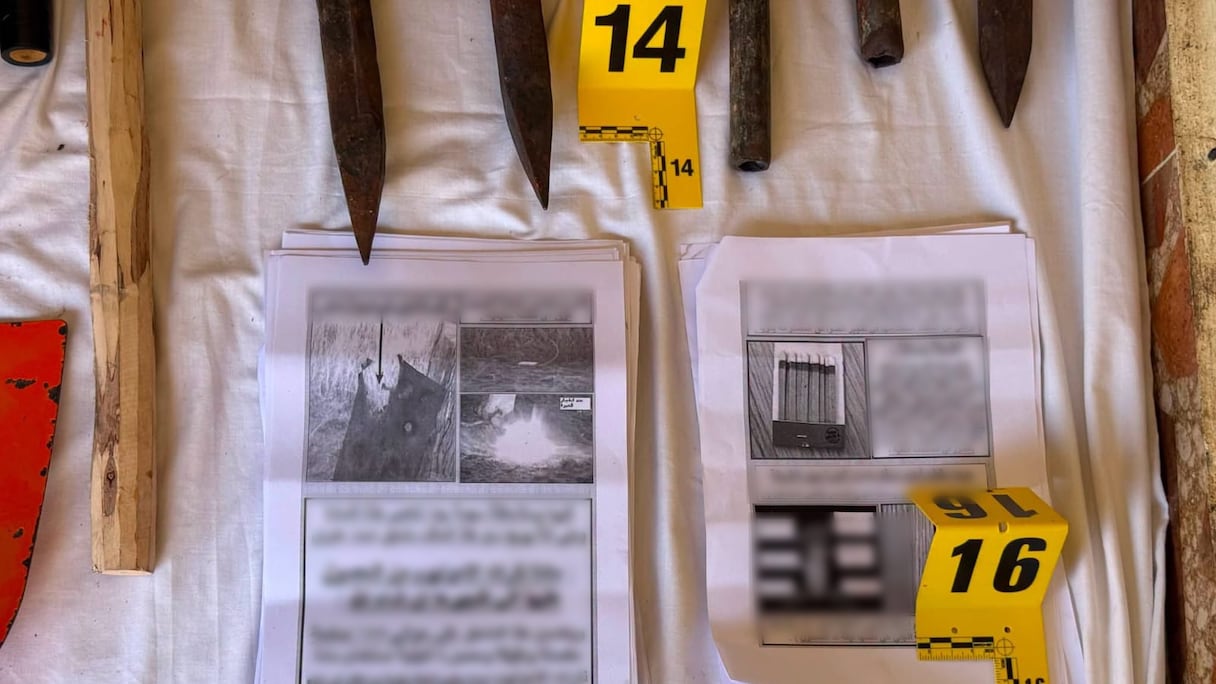
The subsequent search by the Central Bureau of Judicial Investigations (BCIJ)—a DGST affiliate—revealed the gravity of the threat. The individual was no longer confined to ideological rhetoric; he possessed combat gear and bladed weapons. By sunrise, residents of Aourir awoke to heavily secured streets, caught between shock at the discovery and relief that disaster had been averted.
A hidden bomb-making facility
Further south, in the industrial outskirts of Inezgane, investigators uncovered an even more sinister operation. In a concealed warehouse in the Traast El Jorf district, a fully equipped explosives lab lay in wait. At its center stood a 4×4 vehicle, its fuel tank clandestinely modified to run on butane gas. The modification’s purpose? To amplify the thermal impact and blast radius of a potential suicide attack or vehicle-borne assault on critical national infrastructure.
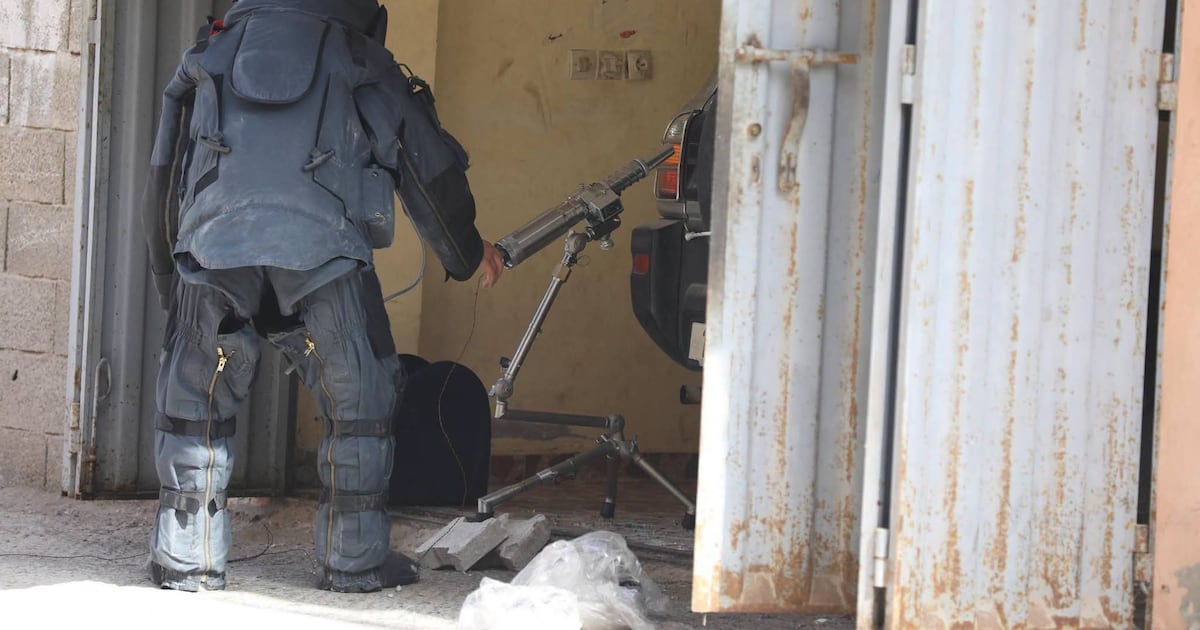
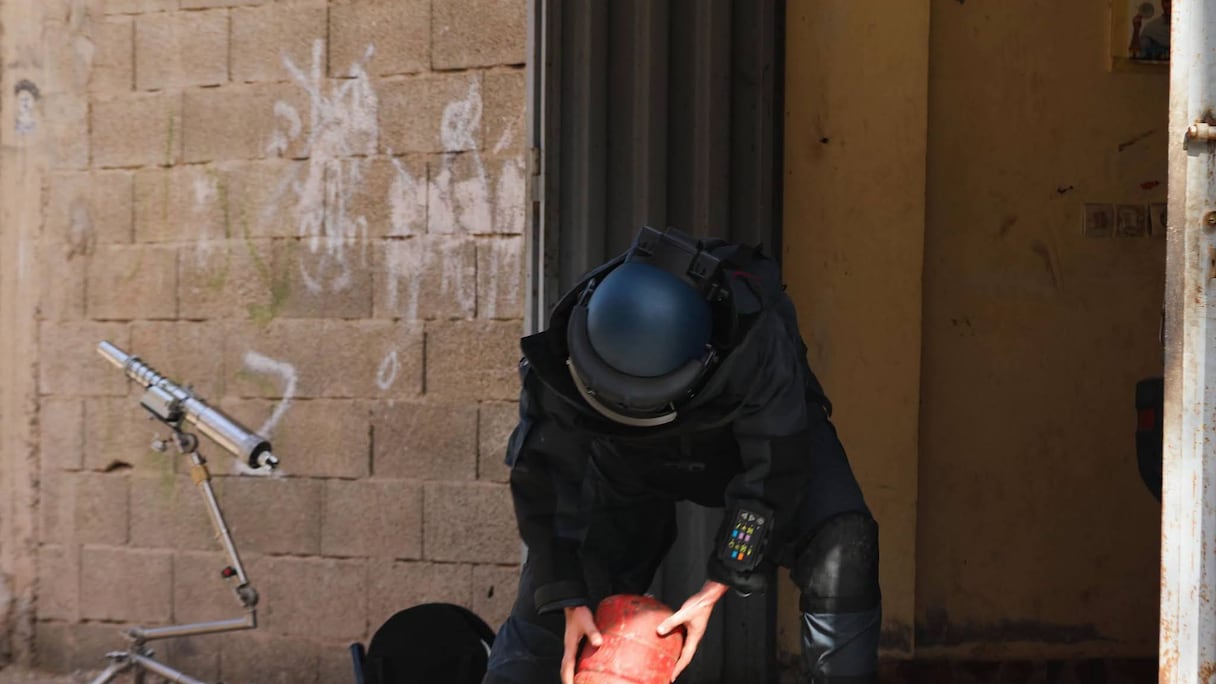
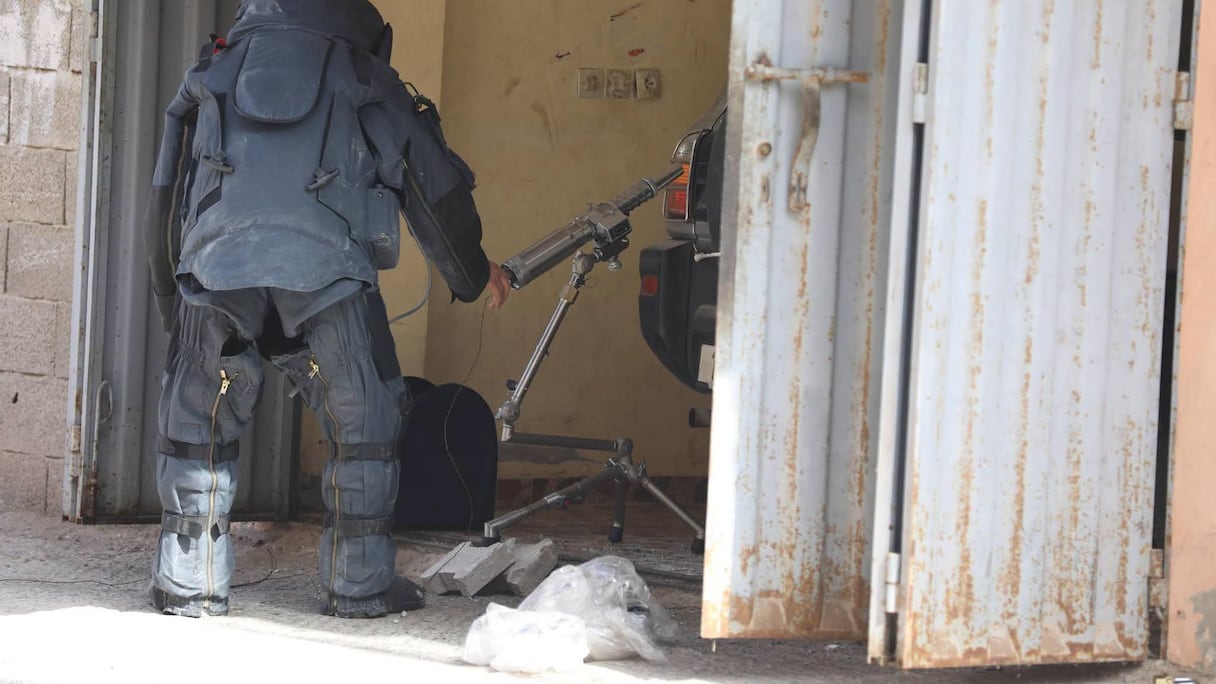
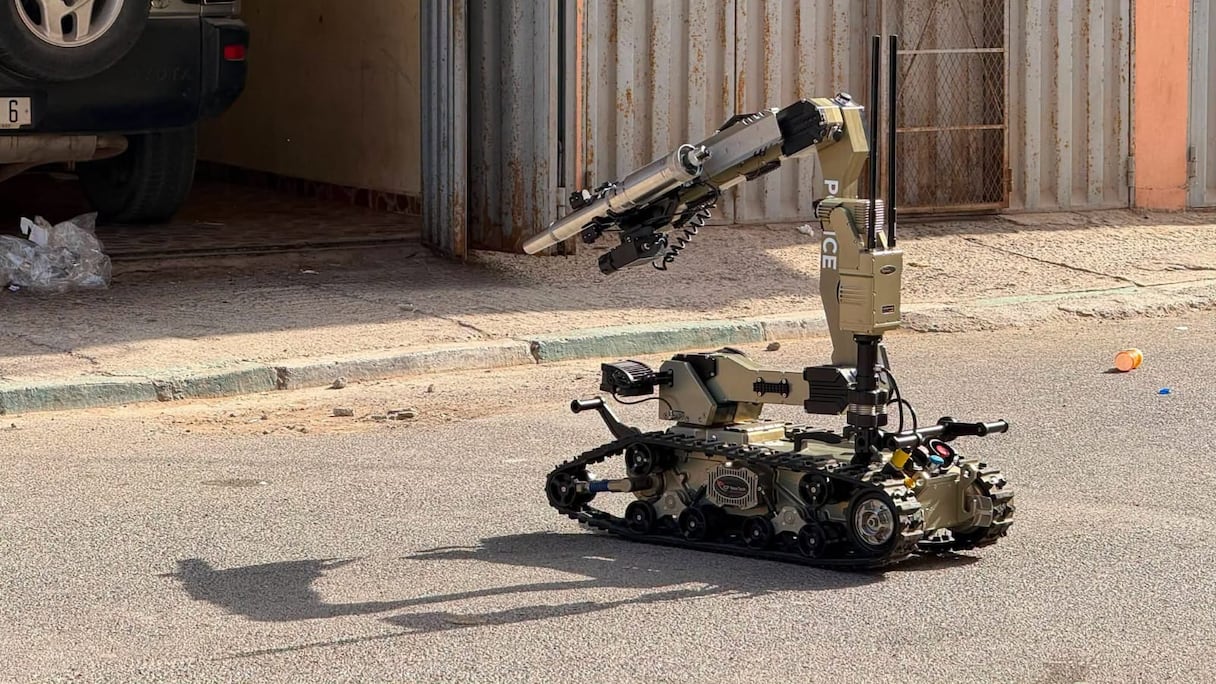
With an immediate explosion risk, the BCIJ activated emergency protocols: evacuating nearby residents, deploying bomb disposal experts from the National Security Directorate (DGSN), and using remote-controlled robots and advanced sensors to inspect the vehicle’s interior without endangering personnel.
Inside the warehouse, the scale of the plot became chillingly clear. Investigators recovered gas canisters, pressure cookers repurposed as shrapnel-filled bombs, electrical wiring, detonators, welding equipment, and dangerous quantities of solid and liquid chemicals.
Nationwide crackdown disrupts terror network
While the operational heart of the cell was in the Souss region, its tentacles stretched across Morocco. To prevent the Aourir arrest from triggering an alert, DGST’s Special Forces executed simultaneous raids in seven cities: Agadir, Taroudant, Casablanca, El Hajeb, Tétouan, Fquih Ben Salah, and Safi.

The operation led to the arrest of ten extremists. Among them, investigators identified a 17-year-old—a stark reminder of the group’s cynical recruitment of minors—as well as a former convict previously jailed under anti-terrorism laws, highlighting the persistent challenge of recidivism.
Supported by explosive detection dogs, teams recovered a trove of evidence: military uniforms, handwritten bomb assembly manuals, and two digital files. One contained footage of the suspects pledging allegiance to Daech’s self-proclaimed caliph, while the other featured explicit threats to carry out large-scale sabotage across Morocco.
Sahel ties uncovered
Preliminary investigations revealed a disturbing evolution in regional terror tactics. Cell members received direct orders and logistical support from Daech operatives based in the Sahel. The directive was unambiguous: avoid joining insurgent groups in sub-Saharan Africa and instead remain in Morocco to execute domestic attacks.
The cell’s leader had structured the network like a military cell, with compartmentalized teams to minimize leaks. A reconnaissance unit scouted potential targets, a logistics team procured chemicals and equipment, and a technical squad in Inezgane modified vehicles and assembled explosives.
The DGST and BCIJ’s swift action prevented a catastrophe. Nine adults were remanded in custody, while the minor was placed under specialized supervision by the anti-terrorism prosecution service. Meanwhile, BCIJ analysts are now decrypting seized devices to map encrypted communications with the Sahel and ensure no dormant threats remain.