
Morocco’s dam strategy: a key pillar of water sovereignty under King Mohammed VI
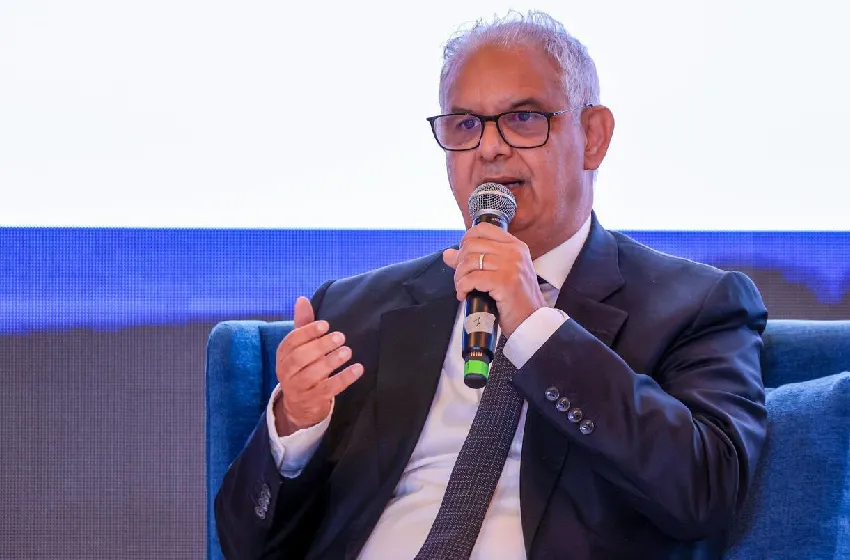
Under the visionary leadership of King Mohammed VI, Morocco has transformed its dam strategy into a cornerstone of national water sovereignty, building a robust hydraulic infrastructure that ensures long-term resilience. This was highlighted by Nizar Baraka, Minister of Equipment and Water, during the second edition of the MAP Town Hall in Rabat, themed “The Royal Vision of Water: Foundation of Hydric Sovereignty and Territorial Equity”.
By the end of 2026, Morocco will boast 156 major dams, with a total storage capacity of 20.8 billion cubic meters. Additionally, 14 new dams are currently under construction, a testament to the country’s growing expertise in hydraulic engineering, technical studies, civil construction, and water infrastructure management. Since 2021 alone, eight large dams have been completed, reinforcing the nation’s ability to secure its water future.
Thanks to this year’s favorable rainfall and the strategic hydraulic infrastructure in place, the country now enjoys at least two years of water security for both drinking and irrigation across its territory, Baraka noted. Beyond large-scale projects, the government has also prioritized the construction of small dams, with 155 planned by 2028 in collaboration with the Ministry of the Interior. These initiatives aim to extend water access to rural communities while replenishing underground aquifers and safeguarding resources for future generations.
Morocco’s water strategy is not limited to dam construction. It integrates a diversified mix of solutions, including basin-based governance, seawater desalination, wastewater reuse, and climate adaptation measures. By 2030, the country plans to meet 60% of its drinking water needs through desalination, positioning itself as a regional leader in unconventional water resources.
The development of inter-basin water networks and water highways further strengthens national solidarity in water distribution. These large-scale projects ensure hydric security for major urban centers and rural areas alike, reducing disparities and fostering territorial justice. “These water highways will guarantee hydric security for our largest cities and rural hubs,” Baraka emphasized.
Expert insights on sustainable water governance
Mohammed Benahmed, an international expert in territorial development, underscored that Morocco now manages one of Africa’s most significant water assets. He stressed the need for long-term management through performance evaluations, multi-year budgeting for maintenance, and efficient governance of dams. To sustain such a vast infrastructure, he proposed innovative financing models, including green bonds, climate-concessional funds, blended financing tools (combining grants, soft loans, and guarantees), and public-private partnerships.
Mohamed Amrani, Senior Policy Officer for North Africa at the FAO, added that hydric sovereignty requires a balanced, inter-regional approach rooted in equity, sustainability, productivity, and solidarity. Effective water governance, he argued, must secure supply without imposing unsustainable costs, ensuring accessibility for all while preserving economic viability.
The MAP Town Hall, a reinvented version of the traditional MAP Forum, serves as a dynamic platform for dialogue among policymakers, experts, and development stakeholders. The second edition brought together public and private sector leaders, alongside media representatives, to foster informed and constructive discussions on water security and national development.