Morocco’s long road to women’s political parity: historic gains and 2026 electoral challenges
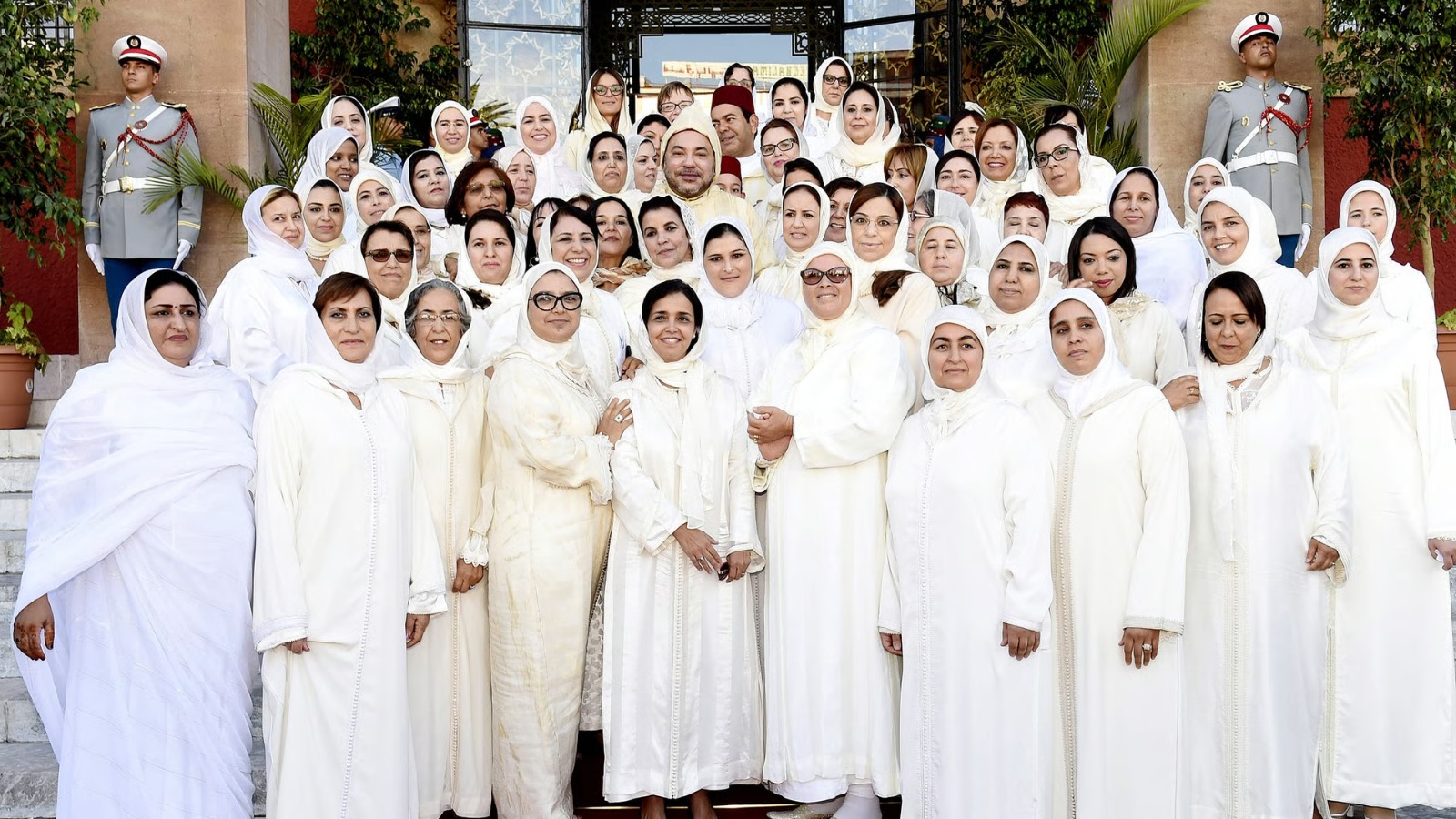

The journey of Moroccan women into political life has been a steady climb marked by legal reforms, grassroots advocacy, and an unfinished quest for genuine parity. As the September 2026 legislative elections draw near, the debate over women’s presence in decision-making spaces intensifies. While the legal framework has grown significantly, the realities on the ground and party practices raise tough questions about how constitutional principles are being realised.
1. Historical overview: from absence to affirmative action
For decades after independence, women were nearly invisible in Morocco’s parliament. It was only in 1993 that the first two women entered the House of Representatives. The slow pace of natural change prompted a major shift in the early 2000s when Morocco adopted affirmative action mechanisms.
- 2002 – National list introduced: A political agreement among parties reserved 30 seats for women in the House of Representatives, marking a real starting point toward fairer representation.
- 2011 – Constitutional leap: The new constitution enshrined gender equality in Article 19 and committed the state to parity. The number of reserved seats was raised to 60.
- 2021 – Shift to regional lists: The national list was replaced with regional lists, broadening women’s territorial representation and increasing their seats to 90 in the House of Representatives.
Each step allowed Moroccan women to build valuable expertise and prove their capability in politics, unions, associations, and human rights. Yet despite these legislative advances, a glass ceiling persists at both local levels and in leadership of electoral lists.
2. 2026 elections: a civil society alarm
It is against this backdrop that the Coalition 190 against Violence and the Coalition for Dignity and Women’s Rights issued an urgent appeal on 9 June 2026. Analysing early nomination data for the September vote, these organisations sound the alarm: women remain sidelined as heads of lists, with men dominating these key positions.
This situation is especially paradoxical because list heads statistically have the best chance of winning a parliamentary seat. Pushing women candidates to secondary positions raises a fundamental question: how committed are political parties to equality and parity?
3. A major democratic flaw: family quota circumvention
Beyond the mere low number of female candidates, a more insidious phenomenon threatens this election across all parties. There is a serious warning against the manipulation of representation mechanisms by some party elites. Taking advantage of quotas and reserved lists, several leaders have no qualms about placing their own wives or daughters in prime positions.
This practice of family favouritism is a blatant violation of the spirit of the law. By turning affirmative action measures into dynastic privileges, it drains the reform of its meaning. It deprives grassroots activists—who have fought for decades within political and associative structures—of a legitimate path to representation. This electoral nepotism deepens public distrust in institutions and discredits women’s political access, reducing it to family co-optation rather than competence and merit.
4. For a national debate: beyond electoral mobilisation
In response to these distortions, the coalitions call for an immediate, responsible, and calm national debate involving political actors, constitutional institutions, feminist organisations, and the media. This debate must examine the cultural and structural barriers that still block women from rising to political leadership.
The signatories of the manifesto propose several concrete measures to reverse the trend:
- Firm partisan commitment: Political parties must respect the spirit of electoral laws and ensure women lead at least one-third of lists, aiming for genuine parity.
- Transparent and ethical selection criteria: Nominations must be based strictly on competence, merit, and candidates’ historical activism, excluding any logic of family privilege or nepotism, to guarantee real equal opportunity.
- Rigorous oversight by authorities: Control institutions and public bodies supervising the electoral process must enforce the original goals of the law, so support measures for representation truly benefit all women citizens rather than small family circles.
Conclusion – A closing thought
Moroccan women can no longer be reduced to mere voters or tools for mass mobilisation on election day. They are full citizens and indispensable partners in shaping public policy and building the nation’s future. The maturity of Morocco’s democracy will be measured by its ability to transform women’s political participation—from an exception or a family workaround—into a natural, fair, meritocratic, and lasting democratic practice.