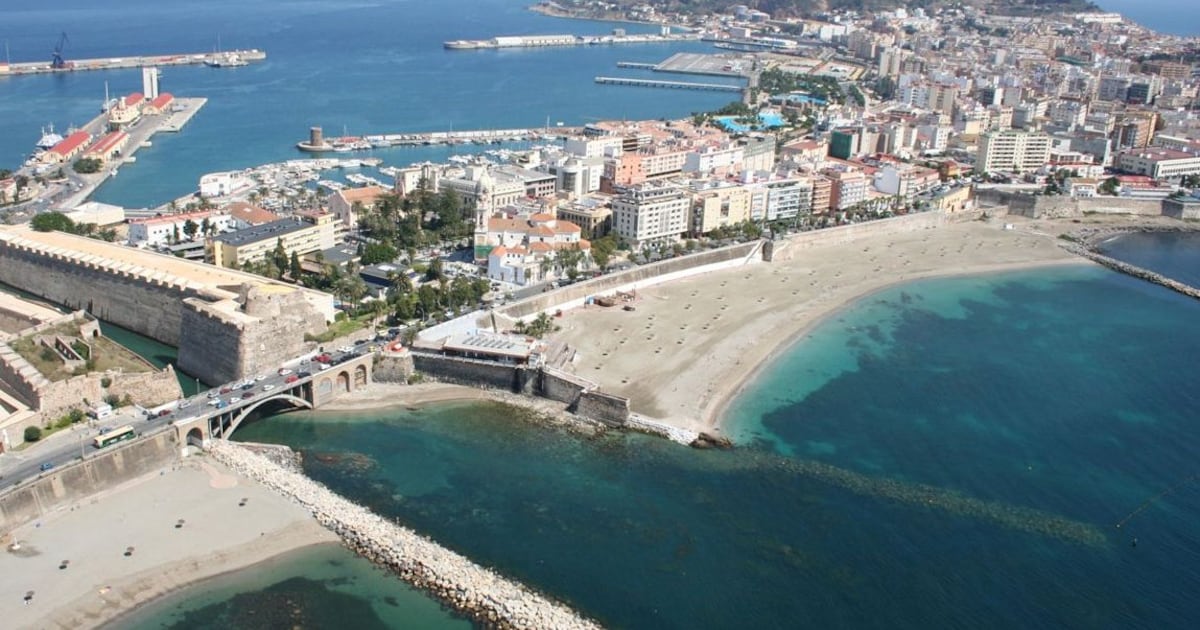

Security cooperation with Morocco has proven instrumental in thwarting multiple terror plots targeting the Spanish enclave of Ceuta. Intelligence reports highlight how Moroccan authorities have repeatedly dismantled intricate networks linking drug trafficking funds to jihadist recruitment, particularly within the city itself.
Ceuta’s strategic position as a gateway to Europe from North Africa makes it a prime target for international terror cells, including those adhering to extremist ideologies. Recent arrests in the city center underscore the persistent nature of this threat, prompting heightened vigilance from Spanish security forces.
The latest counterterrorism operation in Ceuta exposed a sophisticated threat unlike traditional cells. Instead, this menace operates through digital channels—leveraging online platforms for propaganda, recruitment, funding, and coordination with international affiliates.
Between 2012 and June 2026, Spain conducted 458 counterterrorism operations, resulting in 816 arrests linked to jihadist activities. During the same period, Ceuta witnessed 19 operations, leading to 40 detentions. In the first half of 2026 alone, Spain executed 37 operations, apprehending 68 individuals.
These successes are not coincidental but stem from seamless collaboration with Moroccan security services, which maintain round-the-clock surveillance over terror networks. Their proactive measures have been crucial in safeguarding Ceuta from evolving threats.