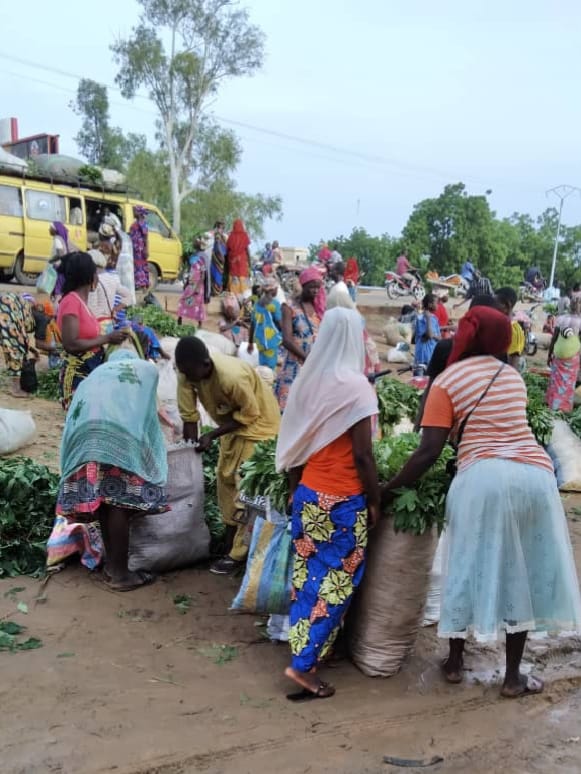

The municipal authorities in N’Djamena are taking a firm stance against urban disorder. Illegal occupation of public spaces, visible street begging, and misconduct among security personnel have pushed the capital into a strict regulation phase aimed at restoring public order and modernizing the urban landscape.
At first glance, this crackdown appears justified. No city can thrive in perpetual chaos, and the need for an organized urban environment is undeniable. Yet, the fundamental question lingers: can disorder truly be eradicated without addressing its root causes?
Poverty as the invisible driver of urban chaos
Behind the scenes of public disturbances lies a deeper, systemic issue: poverty. In N’Djamena, as in many African capitals, the streets are not merely spaces where urban rules are broken. For countless individuals, they represent a means of survival. Informal vendors, beggars, and unemployed youth do not occupy public spaces out of defiance but out of necessity.
Relying solely on punitive measures to address these challenges risks treating symptoms rather than solving the problem. Clearing illegal street vendors without providing economic alternatives or increasing surveillance without implementing social support policies only displaces the issue without resolving it.
The limits of a purely repressive approach
The pursuit of a