New health centers in Maradi and Tessaoua boost healthcare access in Niger
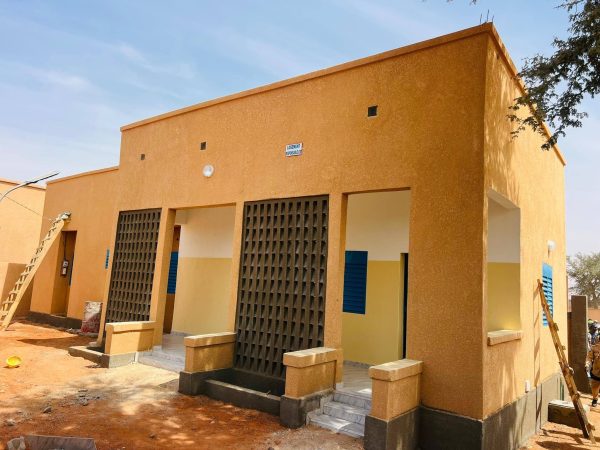
In Niger, the Maradi region is expanding its medical network thanks to the PIDUREM initiative. The introduction of several Type II Integrated Health Centers (CSI) in Maradi and Tessaoua represents a significant milestone in providing local medical services to both urban and suburban residents.
The availability of medical care in the economic hub of Niger is set to reach new heights. Through the Integrated Urban Development and Multisectoral Resilience Project (PIDUREM), the Maradi area is seeing a robust program of building and outfitting Type II health facilities. This strategy is designed to ease the burden on regional hospitals while bringing advanced technical resources closer to the community.
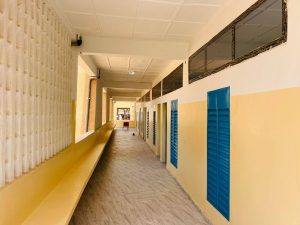
Modern facilities under high-level oversight
Progress is moving forward rapidly. In the ADS district of Maradi‘s 3rd arrondissement, a fresh structure now stands as a mark of progress. Simultaneously, in Tessaoua, the Toudou neighborhood has received its new facilities, which have been formally handed over to health administrators. These initial centers, which underwent provisional acceptance between March and October 2025, are now entering their operational stage as modern equipment is being installed.
“Providing healthcare directly to the people is no longer just a commitment; it is a tangible reality within our neighborhoods,” noted a spokesperson from the Regional Directorate of Public Health.
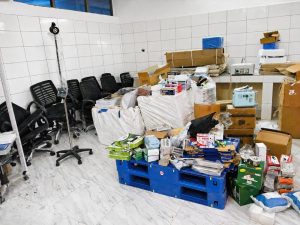
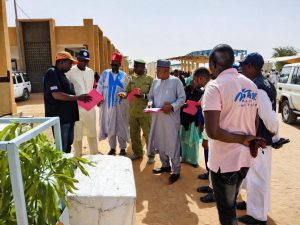
The project encompasses more than just construction. A comprehensive set of specialized Type II medical supplies has been distributed. This handover took place in the presence of the Regional Secretary General, the City’s Delegate Administrator, and the Regional Director of Public Health, highlighting the strong institutional support for the project. In Tessaoua, work at the Tsamia Koura site is nearing completion, with equipment installation scheduled immediately following the final construction phases.
As Niger strives to meet international health development goals, the PIDUREM framework serves as a benchmark. By synchronizing the construction of buildings with the delivery of necessary tools, the initiative avoids the common problem of “empty shells” in development projects. In Maradi, local healthcare is experiencing a genuine transformation.