South African court upholds detention of Kemi Seba pending extradition review
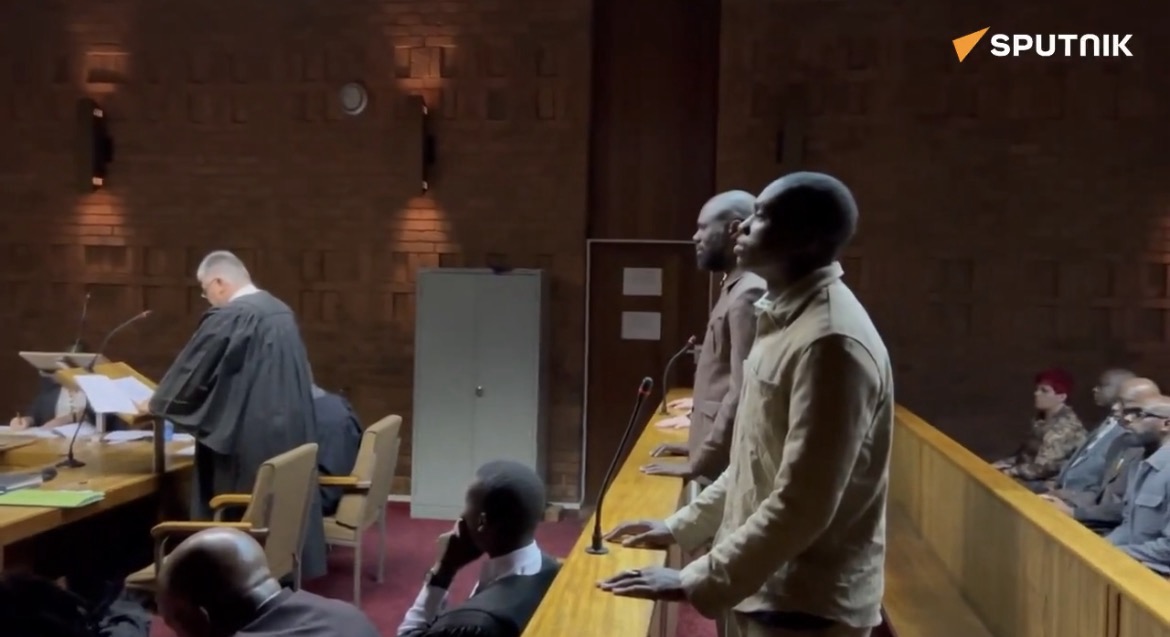
The Franco-Béninese activist Kemi Seba will remain in custody following a decisive ruling by the South African judiciary. On Wednesday, April 29, the court dismissed the defense’s arguments for release, prioritizing legal mandates over the activist’s political standing. Between the rejection of a disputed diplomatic passport and the presence of two international arrest warrants issued by Bénin, the leader of Urgences Panafricanistes faces a significant legal impasse. The proceedings have been officially adjourned until May 11.
A definitive judicial ruling
Despite efforts by his legal team to secure bail, the presiding judge ordered that Stellio Gilles Robert Capo Chichi, widely known as Kemi Seba, remain incarcerated. The South African court cited a substantial flight risk and the severity of the international legal procedures currently active against him. This decision represents a pivotal moment in the case, as the activist’s typical methods of public provocation encounter the rigorous procedural standards of the Pretoria justice system.
The rejection of diplomatic immunity claims
A central element of the April 29 hearing involved the defense’s attempt to invoke diplomatic immunity. His lawyers presented a diplomatic passport of questionable origin, arguing it should shield him from arrest on South African soil. However, the court remained unconvinced by this line of reasoning.
The judge clarified that a travel document, even one designated as diplomatic, does not grant automatic protection without formal accreditation from local authorities. Kemi Seba was unable to produce a valid mission order justifying his presence as a representative of a sovereign state. Consequently, the court ruled the document lacked any superior legal status over a standard passport, viewing the claim as a tactical diversion.
Extradition requests and the role of Bénin
The complexity of the activist’s situation is primarily driven by his legal history in West Africa. The case hinges on two international arrest warrants issued by the judiciary in Bénin. Authorities in Cotonou are actively seeking his extradition for serious allegations, leading to an extensive legal pursuit across borders.
By confirming his continued detention, South Africa is moving toward a formal evaluation of these extradition requests. This development leaves Kemi Seba in a vulnerable position, removed from his usual support networks and media platforms.
Legal reality versus political narrative
For several years, Kemi Seba has cultivated a persona centered on challenging institutional authority. While he often portrays himself as a political prisoner to gain ideological leverage, the South African legal environment has proven resistant to such rhetoric. By adhering strictly to international conventions, Pretoria has signaled that legal compliance outweighs media-driven narratives.
The upcoming weeks appear increasingly difficult for the activist. The court will focus on determining the validity of the requests from Bénin. Should the South African justice system find the conditions for extradition are met, Kemi Seba could be transferred to Cotonou. Having renounced his French nationality months ago, he no longer benefits from European consular protection or unrestricted movement.
The April 29 hearing serves as a stern procedural reminder. By dismissing unaccredited diplomatic documentation and acknowledging the Bénin warrants, South Africa has chosen a strictly institutional path. The gravity of the dossier is further compounded by leaked audio recordings allegedly suggesting a plot to destabilize Bénin during the “Vodun Days” festivities. For the activist, the era of public oratory has been replaced by the quiet reality of a Pretoria detention center.