How Benin avoids power cuts despite Ghana’s energy crisis
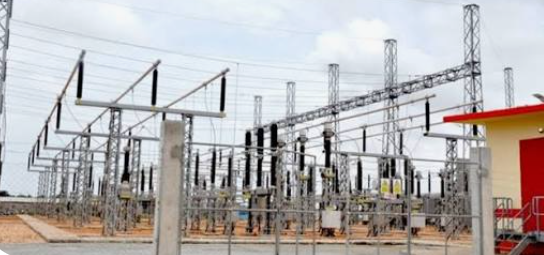
The West African power grid is under strain. Reduced water levels in regional dams, compounded by a major fire on April 23 at a key installation linked to Ghana’s Akosombo Dam, have slashed the network’s capacity by nearly 1,000 MW. To stabilize its own supply, Accra has halted electricity exports to Burkina Faso, Togo, and Benin.
For Benin, this abrupt cut has become a resilience test. While sporadic outages have affected SBEE customers, the situation could have been far worse. The difference? Years of strategic foresight.
Maria-Gléta 2: the powerhouse that keeps the lights on
Benin’s ability to weather this crisis isn’t accidental—it’s the result of deliberate policy and significant investment. Not long ago, a disruption of this scale would have plunged the country into darkness for weeks, crippling businesses and households alike. Today, the Maria-Gléta 2 thermal plant, a flagship of the Government Action Program (PAG), stands as a bulwark against blackouts.
The plant is running at full capacity, filling the void left by lost imports and acting as a critical buffer. This “energy lung” transforms what could have been a national disaster into a manageable technical challenge. Every megawatt generated on Beninese soil reinforces energy sovereignty and guarantees household comfort.
From dependence to energy freedom
President Patrice Talon’s administration is not content with temporary fixes. Recognizing that true sovereignty lies in energy independence, the government is accelerating reforms to modernize distribution networks and diversify production—especially through solar initiatives. The goal? Complete self-sufficiency.
By expanding national thermal capacity, Benin ensures its industrial growth and daily life remain insulated from technical failures across the border. The current crisis validates earlier decisions: the investments made since 2016, including the construction of Maria-Gléta, have given the country unprecedented resilience.
The path forward is clear. Energy independence is no longer a distant dream—it’s an ongoing reality being built today.