Russia’s expanding role in Mali’s security challenges
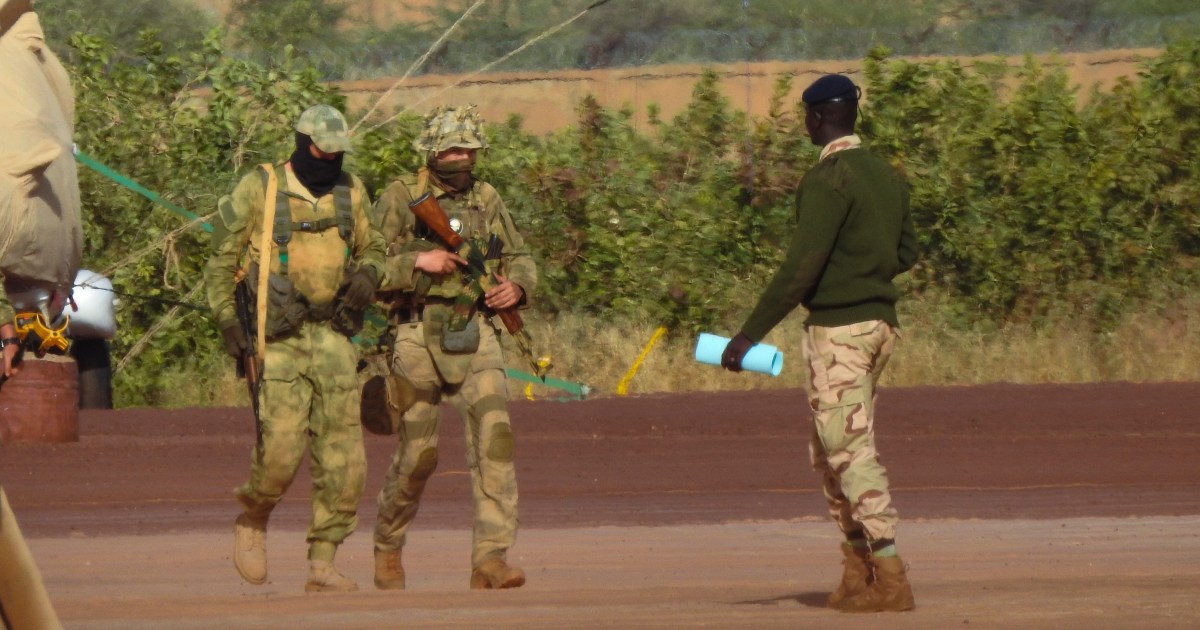
Russia’s growing influence in Mali’s security landscape
Mali faces escalating security threats as armed groups intensify attacks across the country, prompting international scrutiny of Russia’s expanding military footprint in the region. Following large-scale offensives by Tuareg separatists and al-Qaeda-linked forces, the Malian military government has relied heavily on Russian security support to counter rebel advances.
In a recent statement, Malian military leader Assimi Goita assured that the situation was “under control,” crediting Russian air support for preventing rebel forces from capturing key locations, including the presidential palace in Bamako. Despite these claims, analysts and local observers remain skeptical, particularly after reports emerged that Russian-backed troops withdrew from Kidal, a strategic northern city seized by militants.
Russian military shifts in Mali’s conflict zones
The recent coordinated attacks on April 25 targeted multiple cities, including Bamako, Gao, Sevare, and Kati—home to major military installations. The offensive resulted in the deaths of hundreds of militants, according to Malian authorities, but also saw the loss of Defence Minister Sadio Camara, a key architect of Mali’s partnership with Russia.
Russian forces, originally deployed under the Wagner Group, now operate under the Africa Corps, a unit directly under the Russian Ministry of Defence. While Wagner’s fighters were known for aggressive tactics, Africa Corps has adopted a more defensive stance, raising questions about its effectiveness in counterinsurgency operations.
Reports indicate that Russian troops withdrew from Kidal following negotiations with neighboring Algeria, leaving behind equipment and leaving local Malian forces vulnerable. The retreat has sparked debates about Russia’s commitment to Mali’s security, particularly as armed groups affiliated with Jama’at Nusrat al Islam wal Muslimin (JNIM) and the Azawad Liberation Front (FLA) continue their offensive.
Regional implications of Russia’s Sahel strategy
Mali is part of the Alliance of Sahel States (AES), formed in 2023 alongside Burkina Faso and Niger after their withdrawal from ECOWAS. The alliance seeks to address regional instability, which has worsened amid the decline of French military presence and the rise of Russian-backed security operations.
Russia’s military engagements in the Sahel extend beyond Mali, with smaller contingents of Africa Corps forces deployed in Burkina Faso and Niger. While Wagner’s presence in Central African Republic and other conflict zones has been well-documented, its role in the Sahel has been more subdued, often limited to advisory and logistical support.
Analysts suggest that Russia’s strategy in the region aims to counter Western influence while securing strategic resources. However, the recent setbacks in Mali have raised doubts about the long-term viability of this approach. The withdrawal from Kidal and the lack of decisive action against advancing militants have led to criticism of Russia’s military effectiveness in the Sahel.
Russia’s response and future outlook
The Africa Corps has defended its actions, stating that its withdrawal from Kidal was a joint decision with Malian authorities and that air support was provided to Malian troops during the attacks. The Russian Defence Ministry also accused foreign mercenaries of training the militants, though these claims remain unverified.
Despite these assertions, the credibility of Russia’s military partnership in the Sahel has been significantly damaged. The fall of Kidal, the killing of high-ranking Malian officials, and the ongoing siege threats against Bamako have exposed vulnerabilities in Russia’s security commitments. Experts warn that Moscow may struggle to attract new partners for its Africa Corps initiative if these challenges persist.
As Mali’s security crisis deepens, the role of Russian forces remains a contentious issue. While Moscow positions itself as a key security provider in the region, recent events have cast doubt on its ability to deliver on its promises, leaving local populations and regional allies questioning the sustainability of this military alliance.