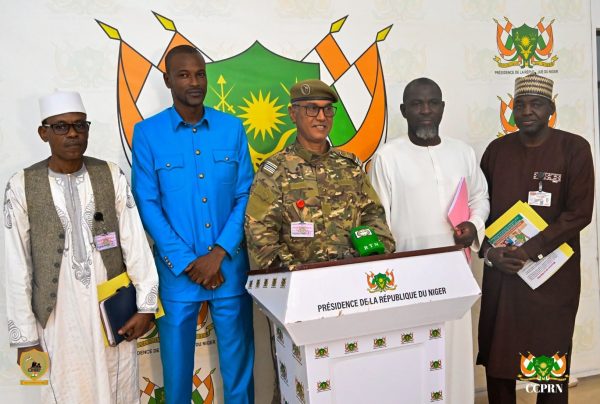

Niamey’s financial landscape has undergone a seismic shift as authorities tighten the screws on financial malpractice. In an unprecedented move on August 5, 2026, the presidential palace hosted a high-stakes review of the « Clean Hands » initiative, spearheaded by the COLDEFF—a specialized body tasked with dismantling financial crime and reclaiming embezzled assets for the public good.
The announcement sent shockwaves through government corridors and private enterprises alike: a staggering 74 billion West African CFA francs have been successfully recovered and deposited into the national treasury. What’s more, the haul represents a dramatic 12 billion FCFA surge in just twelve months—a clear signal that the crackdown is gaining momentum. Notably, this figure does not include seized properties, vehicle fleets, or other movable assets confiscated from delinquent payers.
Targeting wallets, not cells: the CNSP’s pragmatic approach
During a meeting with the COLDEFF leadership, the Head of State underscored the government’s unwavering commitment to its financial hygiene doctrine. Rejecting calls for punitive measures like imprisonment or public trials, the regime has adopted a starkly pragmatic stance: fiscal penalties, not incarceration, will serve as the primary tool for justice. As articulated by senior officials, the strategy is unambiguous:
« Our mission is not to fill the nation’s prisons. The punishment here is financial—it’s the wallet that must bear the cost to heal the Republic’s wounds. »
This calculated approach also aims to maintain international credibility, particularly amid economic strain. Defaulters are being given a stark ultimatum: repay every last franc or face the consequences. Yet whispers persist that, provided compliance is secured, dignity will be preserved—a delicate balancing act to avoid alienating key allies.
With the capital abuzz with speculation, one question dominates conversations among citizens and diplomats alike: how will these recovered billions be deployed? In a nation grappling with climate adversity and developmental hurdles, the public is watching closely to see if the windfall will translate into tangible relief for Niger’s people. For now, the COLDEFF remains on the offensive, vowing to relentlessly pursue financial predators.