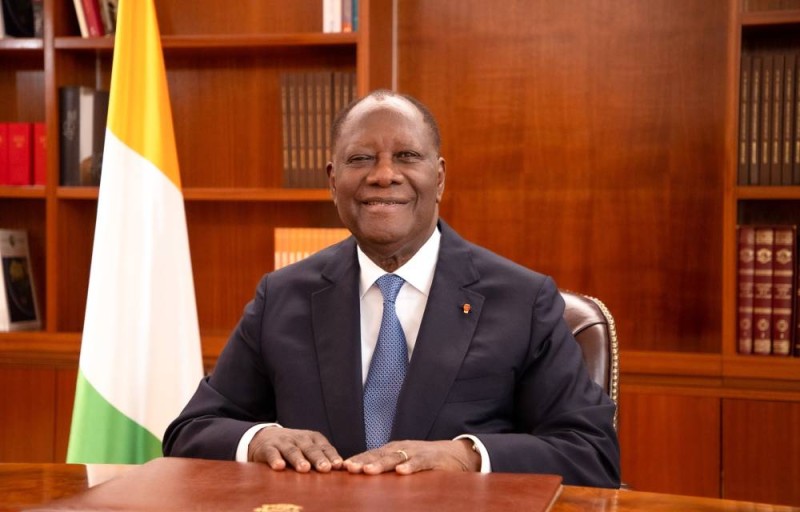

As Côte d’Ivoire prepares to commemorate its 66th Independence Day on August 7, 2026, the nation’s attention is fixed on the upcoming address by President Alassane Ouattara. This annual address is more than a symbolic tradition; it represents a pivotal moment for the government to outline its vision and address pressing challenges facing the country.
The economic landscape, though showing positive growth trends recognized by international partners, still faces significant hurdles. High living costs, particularly in housing, essential goods, and services, continue to strain household budgets. Citizens are eagerly anticipating concrete measures to alleviate these pressures and enhance their quality of life.
Youth employment and economic diversification
The youth employment crisis remains a critical issue, with thousands of graduates entering the job market annually. President Ouattara’s speech is expected to highlight strategies to boost entrepreneurship, vocational training, and private sector growth—key drivers for sustainable job creation.
Agricultural resilience and market stability
The agricultural sector, the backbone of Côte d’Ivoire’s economy, faces persistent challenges. Farmers producing cocoa, coffee, rubber, cashews, and other export crops are seeking policies that strengthen their incomes, improve access to financing, and enhance resilience against volatile global market prices.
Infrastructure and regional equity
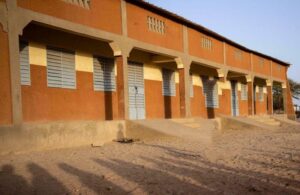
Rural communities continue to lag behind urban centers in access to essential services. The President is expected to reaffirm commitments to expanding road networks, improving access to clean water, electricity, and healthcare, and upgrading educational facilities across underserved regions. Bridging the urban-rural divide is essential for inclusive growth.
Healthcare and education: Foundations for progress
The demand for a robust healthcare system is stronger than ever. Expanding universal health coverage and improving healthcare infrastructure are top priorities. Similarly, enhancing the quality of education and vocational training remains vital for building a skilled workforce capable of driving long-term development.
Security and national cohesion
In a subregion grappling with instability, Côte d’Ivoire’s commitment to peace, counterterrorism efforts, and national unity is crucial. The President’s address is likely to emphasize ongoing security initiatives and the importance of social cohesion in fostering a stable and prosperous nation.
Governance, transparency, and digital transformation
Strengthening governance, combating corruption, and modernizing public administration are essential for sustainable progress. Additionally, accelerating digital transformation could unlock new opportunities for business, innovation, and public service efficiency.
Investment and industrialization
Economic actors are looking for policies that encourage investment, drive industrialization, and create high-quality jobs. Ouattara’s speech may outline incentives for local and foreign investors to contribute to Côte d’Ivoire’s economic ambitions.
Unity and democratic consolidation
Sixty-six years after independence, Côte d’Ivoire stands at a crossroads. The President’s address will be scrutinized for messages of unity, reconciliation, and a shared vision for the future. Strengthening democratic institutions and fostering an inclusive dialogue will be key to sustaining peace and progress.
As the nation reflects on its journey since 1960, the expectations are clear: transform economic growth into tangible social progress. The President’s Independence Day address will shape the country’s trajectory, determining whether Côte d’Ivoire can fulfill its potential as a leading regional economic power.