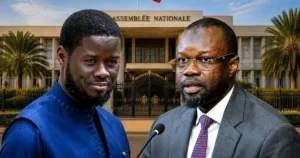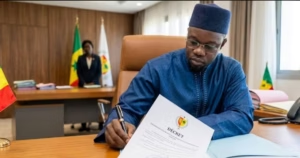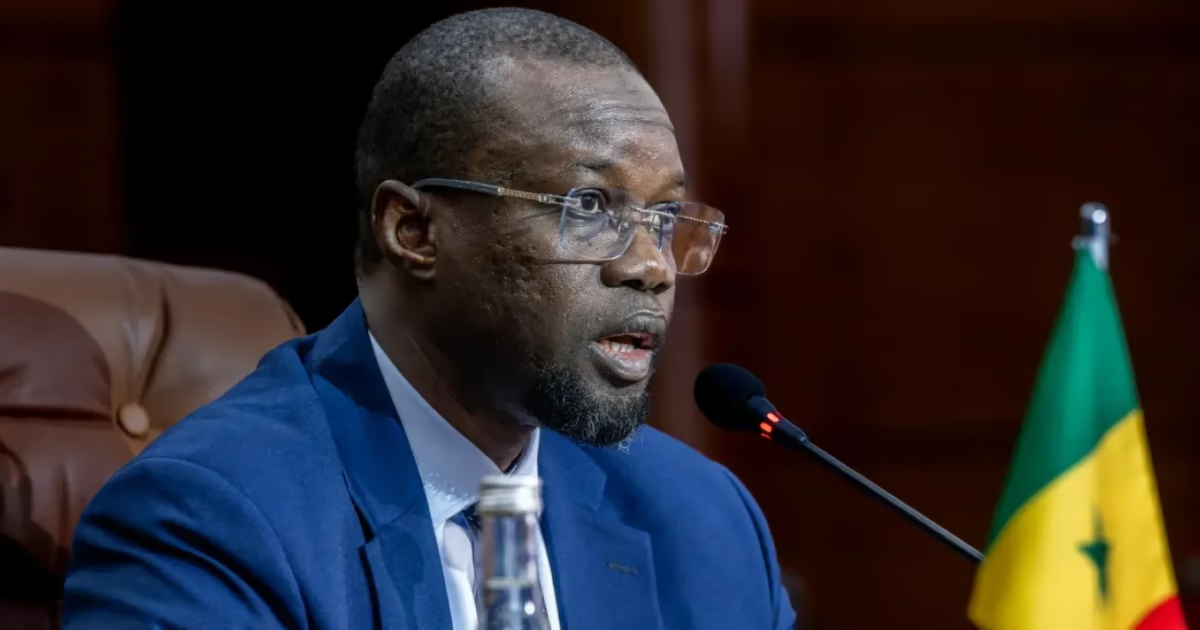

Senegal’s National Assembly is set to convene an extraordinary legislative session next Monday at 10:00 AM, marking a significant moment in the 2026-2027 parliamentary calendar. The Bureau of the National Assembly has outlined an ambitious agenda featuring eleven key legislative items, including two proposed laws, three bills, and six requests for parliamentary inquiry commissions. This session promises to be one of the most consequential in recent memory, with far-reaching implications for governance and public accountability.
Legislative priorities take center stage
The upcoming session will prioritize transparency and institutional reforms, with several high-stakes proposals on the table. At the forefront is a proposed constitutional amendment targeting Article 37, which governs presidential asset declarations. This reform aims to strengthen financial transparency by enhancing oversight mechanisms for public officials’ wealth disclosures.
A second critical proposal seeks to regulate special credits and secret funds, a recurring theme in debates about fiscal responsibility. The legislation would impose stricter controls on these financial instruments, addressing long-standing concerns about opaque budgetary practices in government operations.
Mixed legislative instruments on the agenda
The session’s diversity is reflected in its legislative toolkit: two citizen-initiated proposals, three government-sponsored bills, and multiple requests for parliamentary investigations. These inquiries will probe into sensitive areas of public administration, potentially uncovering irregularities in resource allocation and policy implementation.
The timing of this extraordinary session suggests a strategic alignment with broader national priorities. Lawmakers will deliberate on reforms that could reshape the political landscape, particularly regarding executive accountability and legislative oversight. The combination of constitutional amendments, financial regulations, and investigative mandates creates an unprecedented legislative workload.
What’s at stake for Senegal’s governance
The convergence of these eleven legislative items signals a potential turning point in Senegal’s democratic trajectory. By addressing institutional transparency through asset declarations and fiscal oversight, the National Assembly appears poised to address longstanding public concerns about governance integrity. The parliamentary inquiries, meanwhile, represent an opportunity to scrutinize executive branch operations with unprecedented rigor.
As deputies prepare to reconvene, the nation watches closely. The outcomes of these deliberations could redefine the balance of power between branches of government, set new standards for financial accountability, and establish precedent-setting transparency measures for years to come.