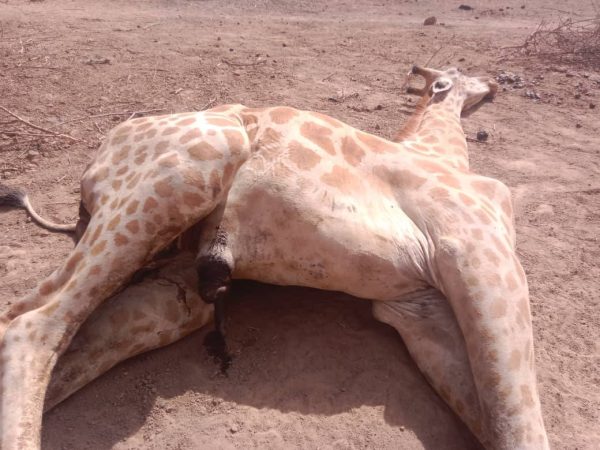

The first giraffe ever born in Niger’s Gadabedji Biosphere Reserve has died, leaving behind a trail of sorrow and raising urgent questions about wildlife conservation in the country. Named Abagana, the young giraffe succumbed to a severe illness on May 16, 2026, after local veterinarians struggled to provide the necessary care.
The loss of Abagana marks the end of a symbol of hope for the reserve’s ecological and tourism potential. As the first giraffe born in the region under a reintroduction program, he embodied the promise of a thriving ecotourism sector that could attract visitors eager to witness wildlife in its natural habitat.
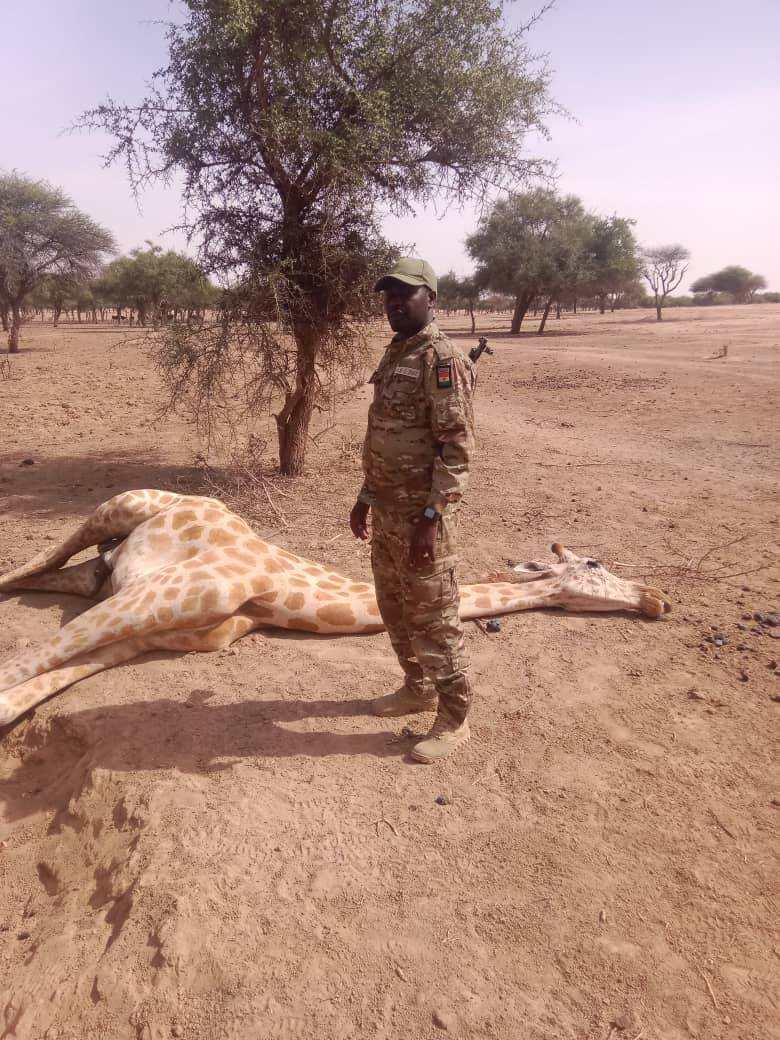
The heartbreaking final moments of Abagana
Abagana’s death was not just a loss—it was a tragedy unfolding in real time. The young giraffe suffered from a condition called penile prolapse, a painful and life-threatening disorder that left him unable to urinate and exposed to severe distress. Despite the desperate efforts of wildlife rangers, his suffering continued until his untimely demise.
This heart-wrenching scenario is not an isolated incident. In recent months, the reserve has witnessed another devastating loss—a female giraffe that perished during a difficult birth, also deprived of the medical attention she desperately needed. The rangers, who bear witness to these tragedies, are left powerless, their hands tied by inadequate resources and expertise.
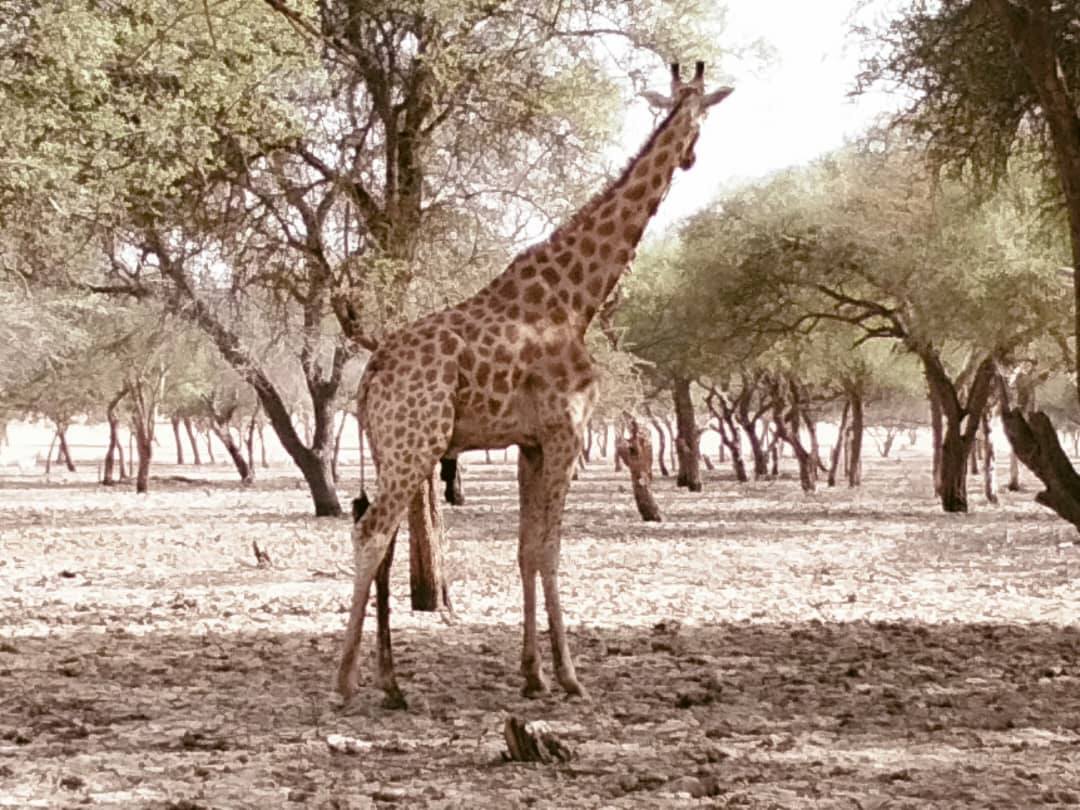
A call to action for wildlife conservation in Niger
The death of Abagana and other giraffes in the reserve is not just an ecological disaster—it is a blow to Niger’s tourism economy. Each giraffe represents a unique attraction for international visitors, and their loss diminishes the country’s appeal as a prime destination for wildlife enthusiasts.
Frustration is growing among conservationists and rangers, who are now demanding immediate action from the government. The lack of trained veterinary staff on the ground has become glaringly evident, leaving wildlife vulnerable to preventable deaths. Experts insist that urgent training in emergency animal care and anesthesia techniques is essential to save the remaining giraffes and preserve the reserve’s future.
« We stand by helplessly as our animals die one after another. » — A conservationist familiar with the situation
Without swift intervention, the tragedy at Gadabedji Reserve may only be the beginning. The fate of Niger’s wildlife—and its tourism industry—hangs in the balance.



