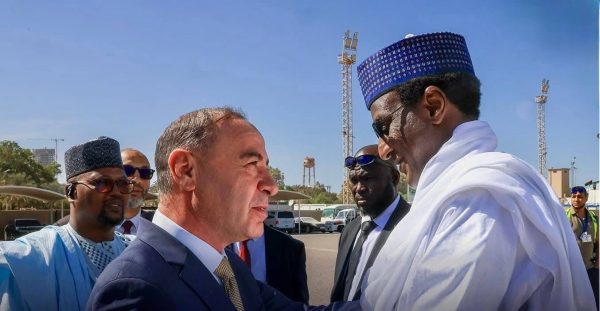
Niger’s Prime Minister Ali Mahamane Lamine Zeine arrived in Tripoli on Monday, June 15, 2026, leading a high-level government delegation for an official visit aimed at strengthening ties between Niamey and Tripoli. He was received with full honours by his Libyan counterpart Abdel Hamid Dbeibah, in a ceremony that included the playing of national anthems and military honours.
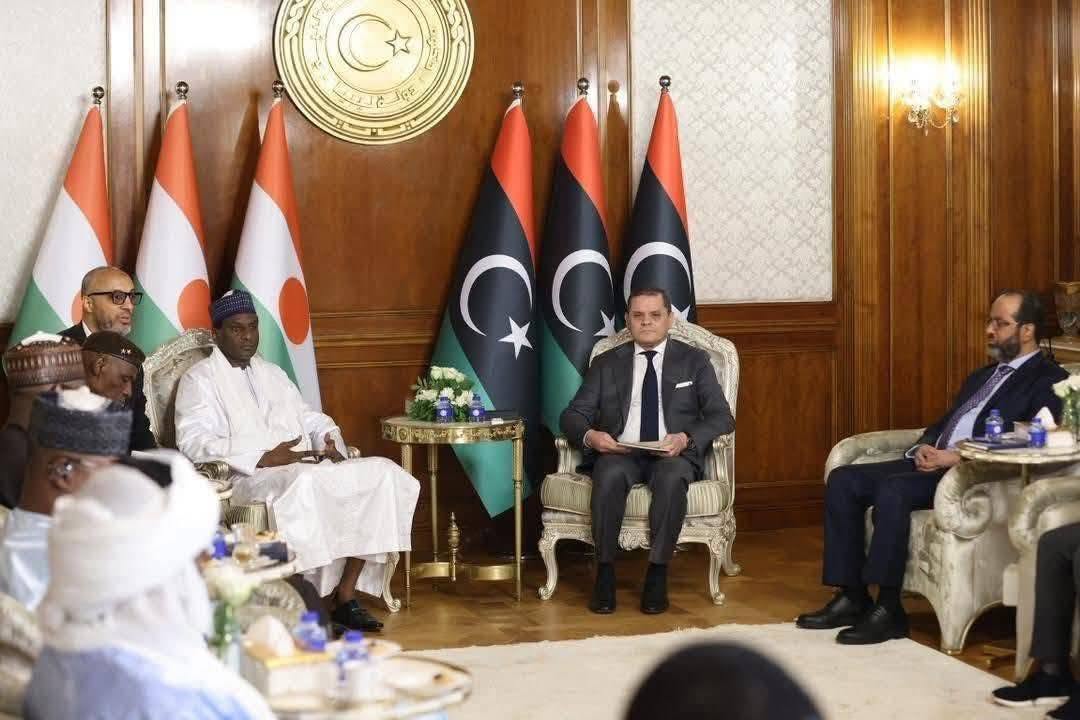
Face-to-face talks in Tripoli: peace and security at the core
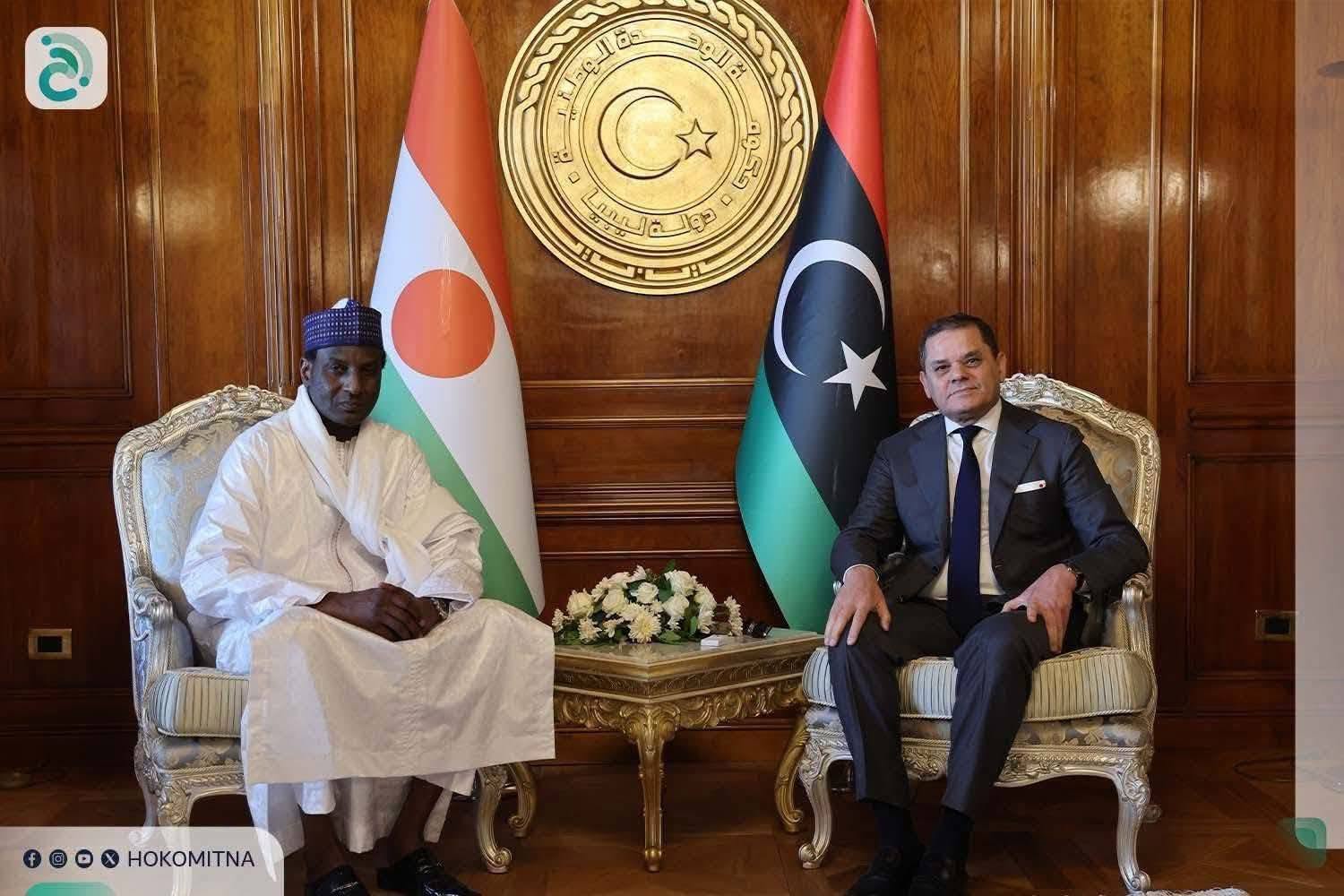
The two heads of government first met privately for a discussion focused on the state of bilateral cooperation and ways to enhance it. Topics included peace, security, regional integration, and economic development — critical issues for neighbouring countries facing security and migration challenges.
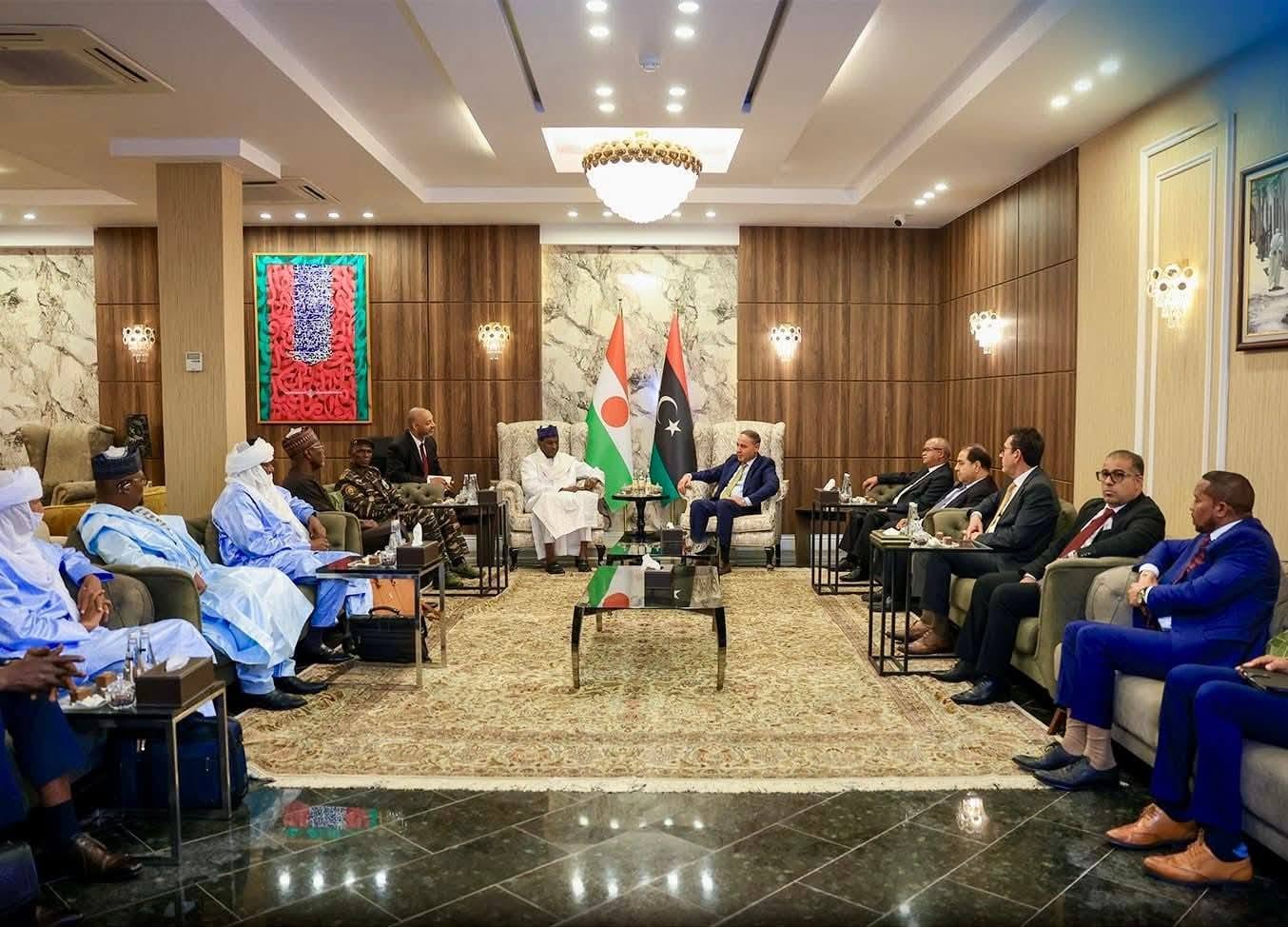
After the one-on-one meeting, discussions continued in an enlarged session with delegations from both nations. Officials examined several bilateral cooperation files as well as regional and international matters requiring better coordination between Niamey and Tripoli. The visit is designed to turn political intentions into concrete projects on the ground.
A heavyweight Nigerien delegation: military and diplomatic mobilisation
The Nigerien Prime Minister led a significant delegation that included Brigadier General Ibro Amadou Bacharou, a member of the CNSP, and Foreign Minister Bakary Yaou Sangaré. Their presence underlines the importance Niamey places on this visit, both from a security and diplomatic standpoint.
According to Nigerien and Libyan authorities, the visit is part of a broader effort to consolidate the historic bonds of friendship and brotherhood between the two countries. It reflects a shared determination to strengthen a strategic partnership that can better address major regional challenges, including border stability, the fight against armed groups, and management of migration flows.
Administrative modernisation: a strategic dimension for Niger’s mining ministry
On the sidelines of the bilateral meetings, Niger’s Ministry of Mines initiated and funded a training session for sector officials. Chaired by the ministry’s Secretary General, Mrs. Yaou Fatimata Korgom, the session aims to strengthen administrative and management skills among staff to improve service efficiency, optimise team management, and promote a results-oriented culture. This technical component, integrated into the visit, shows Niamey’s focus on governance in key economic sectors.
Ultimately, for citizens of both countries, these talks could lead to concrete actions: enhanced border security, joint economic projects, better migration control, and cooperation in resource management. The challenge remains to turn announcements into operational agreements and ensure their implementation on the ground.