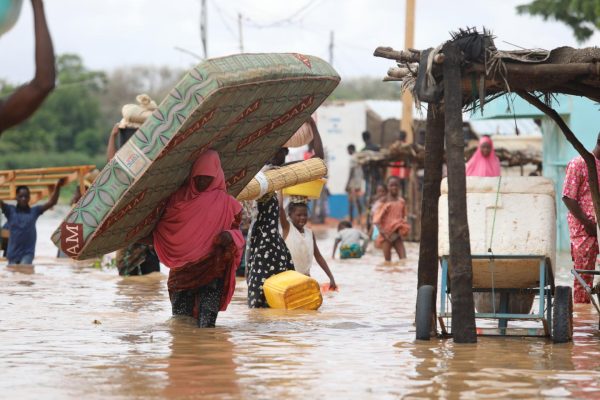

As the rainy season approaches in Niger, authorities are raising the alarm about the potential hazards of the 2026 hivernage. The Operational Centre for Monitoring, Alerting and Crisis Management (COVACC), operating under the country’s Ministry of Interior, has issued urgent warnings to rural populations—especially pastoral communities—regarding severe weather conditions forecasted for the upcoming agricultural belt.
On May 11, 2026, the COVACC convened a national alert, emphasizing that the 2026 rainy season is expected to bring normal to above-average rainfall, along with strong winds that could endanger livestock and damage infrastructure across Niger’s agropastoral zones. Meteorological projections suggest precipitation levels will align with or exceed the 1991–2020 averages, presenting both opportunities for agriculture and serious risks for animal herders.
violent winds threaten livestock and infrastructure
Historically, early rains in Niger bring destructive winds that disproportionately affect weakened livestock recovering from the lean season. Undernourished herds face heightened risks of injury, stampedes, and fatalities during these turbulent weather events. Beyond animal losses, communities also face structural damage, including torn roofs, collapsed mud-brick buildings, and damaged public facilities.
early damage reports surface ahead of peak season
As of mid-May 2026, preliminary assessments by the General Directorate of Civil Protection (DGPC) reveal significant storm-related destruction in multiple regions. In Allakaye, a commune in Bouza (Tahoua region), high winds damaged the roof of a three-classroom school block, destroyed a mud-brick classroom, and collapsed part of a local integrated health centre. Meanwhile, in Dankassari (Dosso region), the same weather system toppled two classrooms, a storage facility, six streetlights, and five electric poles.
authorities urge proactive disaster readiness
To mitigate risks, the COVACC has issued a series of preventive guidelines for communities across Niger. Key recommendations include:
- Monitoring official weather bulletins and emergency alerts from designated agencies.
- Sheltering livestock during windstorms and avoiding flood-prone areas prone to sudden runoff.
- Steering clear of koris (dry riverbeds) and seasonal watercourses that transform into raging torrents during heavy downpours.
- Reporting damages or hazards immediately to local authorities to enable rapid response.
pastoral livelihoods at stake in Niger’s fragile ecosystem
In Niger, where livestock farming sustains millions of households and fuels the national economy, the rainy season is a double-edged sword. While abundant rains can revive pastures and bolster food security, they also introduce life-threatening climatic hazards for pastoralists already grappling with economic hardship and security challenges. With the heart of the 2026 rainy season approaching, the COVACC is urging communities to prioritize prevention as their strongest defence against climate-induced disasters.



