
Niger seizes uranium mining operations from Orano with new national company TSUMCO SA
The Nigerien government has officially terminated its uranium mining concession with French firm Orano Mining, replacing it with a newly established state-owned enterprise. The move follows months of legal disputes and unpaid fees, signaling a decisive shift in the country’s resource management strategy.
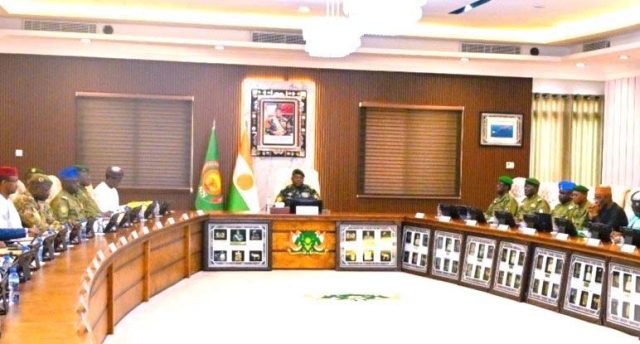
The Cabinet of Niger, chaired by President Abdourahamane Tiani, approved a decree establishing Teloua Safeguarding Uranium Mining Company (TSUMCO SA). This entity will now oversee operations at the Arlit mining site, previously managed by Orano under a 75-year concession granted in 1978. The nationalization affects both the SOMAÏR operation and the former COMINAK mine, which ceased activity in 2021. Authorities chose the name Teloua—a nod to an underground aquifer in the Arlit region—to emphasize environmental accountability and honor local heritage.
Nigerien officials cited severe environmental damage to soil, water resources, and Saharan ecosystems surrounding the mining zones as justification for the takeover. In a formal statement, the government highlighted Orano’s failure to meet financial and ecological obligations under previous agreements. Since June 2025, when SOMAÏR was nationalized, the French group has filed multiple lawsuits to block Niger’s uranium exports, a tactic described by Mines Minister Ousmane Abarchi as judicial harassment.
A legal battle over unpaid fees
Niger’s mining regulations now impose a 25 million CFA francs per km² annual fee on undeveloped concession areas, as per an ordinance enacted in August 2024. Orano allegedly neglected this payment after receiving a formal notice in September 2025. The government argues that this non-compliance provided sufficient grounds to revoke the contract. Additionally, authorities assert that Orano remains liable for back taxes and environmental remediation costs tied to its decades-long operations.
The decision deepens tensions between Niamey and Paris, aligning with broader geopolitical shifts in the Sahel region. Economic independence and resource sovereignty have become central pillars of Niger’s policy under its current leadership.