Niger’s reshuffle moment: Tiani bets everything on loyalty as the regime digs in
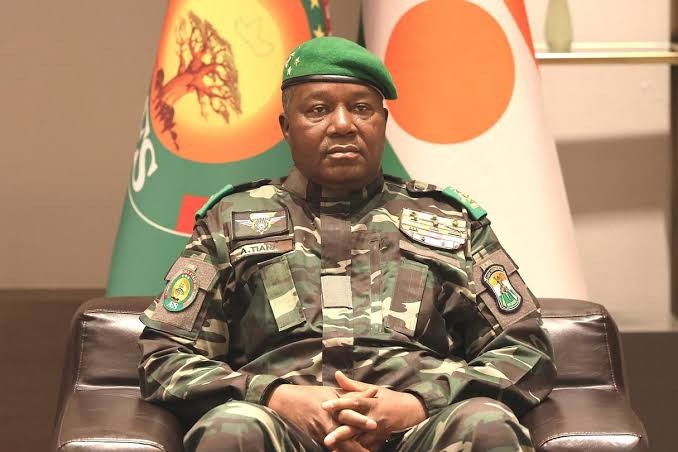
The decree signed on 15 September 2026 by General Abdourahamane Tiani fools no one. Dressed up — without much conviction — as a mere “technical reorganisation,” this first major government reshuffle is above all a political rescue operation. Exposed on every front, the National Council for the Safeguard of the Homeland (CNSP) is chiefly trying to close ranks, hand out rewards and lock down power in the face of widespread discontent.
A decisive turn born of panic inside the army
This team change at the top of government is no accident. It flows directly from last August’s mutiny at Air Base 101 in Niamey, which sent shockwaves through the regime. After hastily purging and reorganising the military command and the presidential guard, the Tiani government is now moving on to the political side of its self-defence.
By appointing Colonel Bilaly Elhadj Gambobo to Agriculture and Livestock, the junta is not trying to revolutionise what ends up on our plates: it is installing one more soldier to keep watch over a strategic sector, while pushing aside officers who had become an embarrassment. This is the army’s absolute hold over the country’s resources, at the expense of any civilian and transparent management.
Serving power to serve oneself: carving up the cake
The arrival of Abdourahamane Oumarou, leader of the UNPP party and a loud voice in the sovereigntist camp, is the most glaring symbol of this drift. A man is not appointed for his managerial skills, but for his ability to shout louder than everyone else. A loyalist from day one since the July 2023 coup, he inherits the Ministry of Youth and Refoundation as his reward.
While Niger’s youth sinks deeper into unemployment and despair, the CNSP hands out posts to its propagandists. The goal is cynical: buy the silence of activists and use these street figures to manipulate opinion and smother criticism on social media.
Ministerial ‘experts’ as human shields
To disguise this political horse-trading, the junta slipped in a few academic figures, such as Professor Mahamadou Saidou at Higher Education or Oumarou Maman at Humanitarian Action. But make no mistake: these appointments are nothing but smoke and mirrors.
How can Professor Saidou calm the universities with no financial means at his disposal? How will Oumarou Maman help war-displaced people when state coffers are empty and international aid has been cut off? These technocrats are there only to act as shields and take the blame when the system collapses under the weight of poverty.
This reshuffle is neither a strategy nor a project for Niger’s future. It is the desperate patchwork of a cornered regime that would rather feed its loyal supporters than confront the high cost of living, the economic crisis and the expectations of the people. Changing the faces around the table will not be enough to hide the failure of the system.