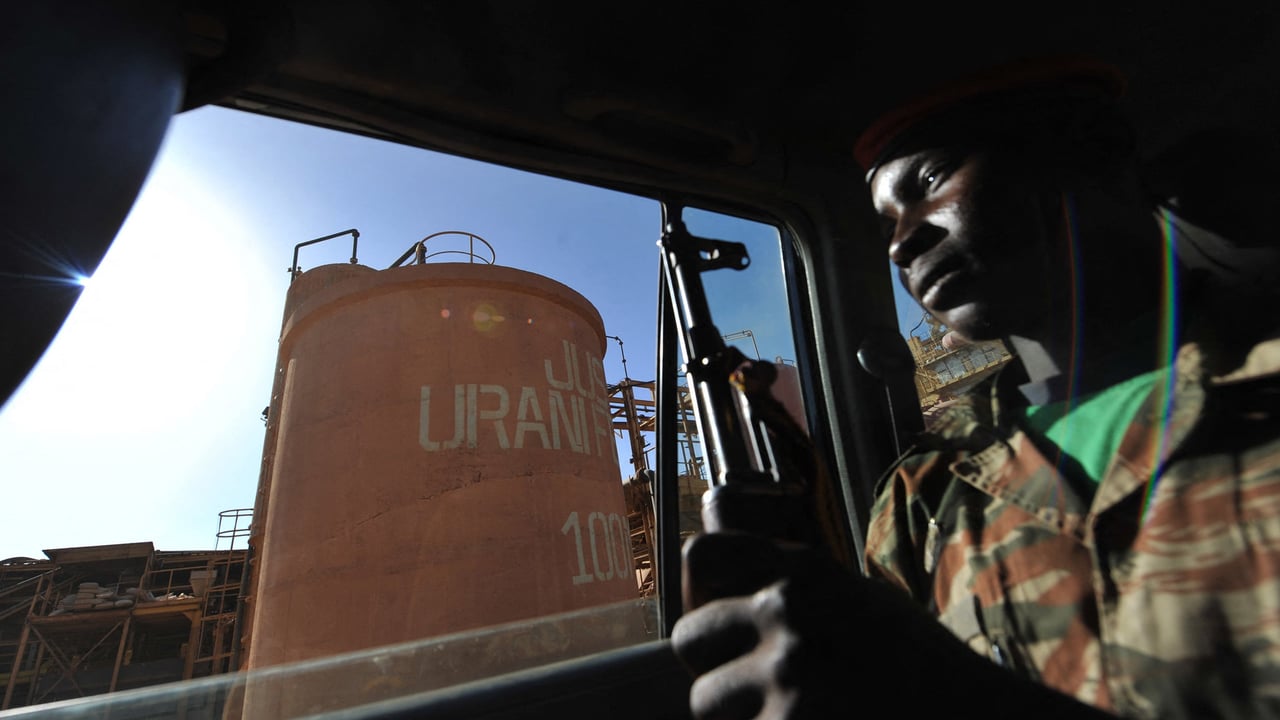


Niger, a pivotal nation in the Sahel, is currently entangled in a complex battle over its rich uranium reserves. This critical resource, vital for global energy markets, is at the heart of escalating judicial blockades and a challenging commercial impasse, profoundly impacting the country’s economic landscape and international relations. On the ground in Niger, the situation surrounding these valuable mining operations, such as the prominent Arlit uranium mine, remains tense, with security forces maintaining a visible presence, as observed on September 26, 2010, when a Nigerien soldier was seen escorting journalists.
judicial hurdles complicate uranium operations
The current administration, led by General Abdourahamane Tiani, has initiated a series of measures that have significantly altered the operating environment for foreign mining entities. These include stringent reviews of existing contracts and the introduction of new regulatory frameworks, creating what many describe as judicial blockades. International partners, notably the French nuclear giant Orano, which has a long-standing presence in Niger, find themselves navigating a labyrinth of legal challenges. These disputes often center on ownership stakes, environmental compliance, and the distribution of profits, reflecting Niger’s assertive stance on reclaiming greater control over its natural wealth.
commercial impasses and economic repercussions
Beyond the courtroom, a palpable commercial impasse grips Niger’s uranium sector. Export routes have faced disruptions, and negotiations over pricing and sales agreements have stalled. This standoff is not merely a bilateral issue but has broader implications for global uranium supply chains, especially given Niger’s historical role as a significant producer. The economic repercussions for Niger are substantial, as uranium exports represent a critical source of national revenue. This period of commercial uncertainty compels the government to seek new partnerships and diversify its economic reliance, a key element of current Sahel news English discussions.
the geopolitical chess game for Niger’s uranium
The struggle for Niger’s uranium is more than an economic dispute; it is a geopolitical chess game. For decades, France has been a primary beneficiary of Nigerien uranium, powering its nuclear energy program. However, with the shift in Niger’s political alignment and General Tiani’s government seeking to forge new alliances, the traditional dynamics are being challenged. Countries with burgeoning energy needs are closely watching these developments, recognizing the strategic importance of Niger’s uranium resources. This ongoing saga underscores the complexities of resource nationalism and its profound impact on both regional stability and international energy security, making it a focal point in Sahel current affairs.
As the situation evolves, the future of Niger’s uranium industry remains uncertain. The interplay between legal battles, commercial negotiations, and geopolitical maneuvering will ultimately determine how this vital resource shapes the nation’s destiny and its role in the global energy landscape. The world watches as Niger strives to redefine the terms of engagement for its most precious mineral.