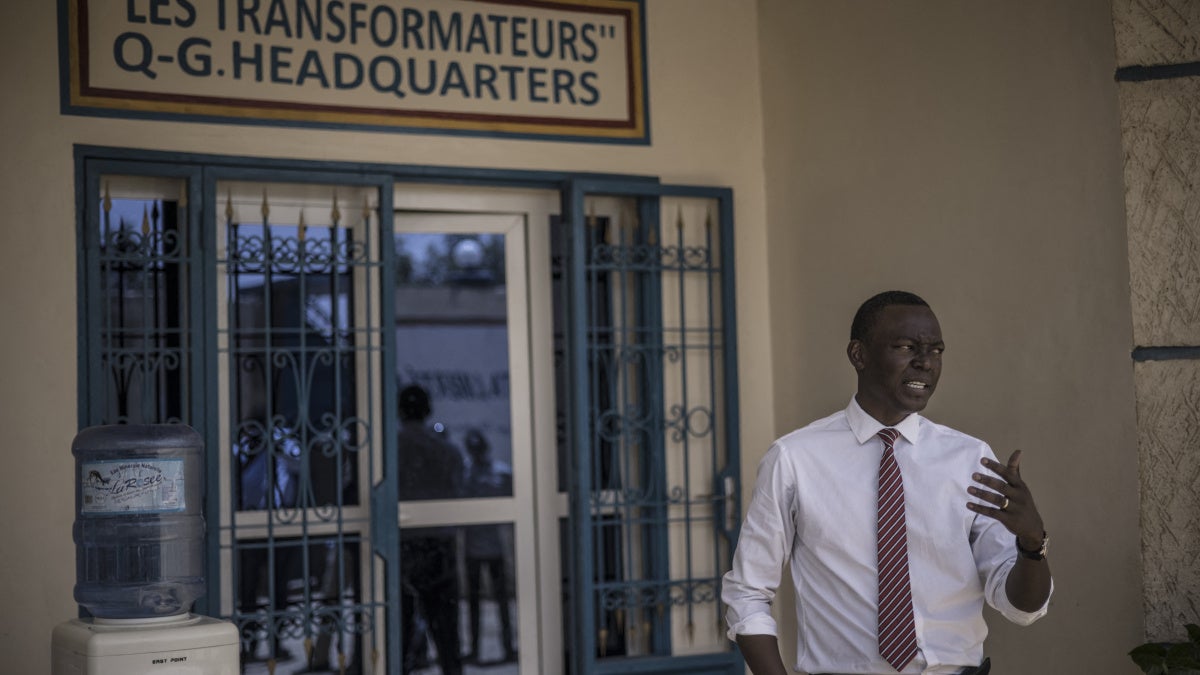

One year has passed since Chadian authorities arrested and convicted Succès Masra, a prominent opposition figure and former Prime Minister, whose detention on politically motivated charges underscores the government’s growing intolerance toward dissent.
Succès Masra, leader of the opposition party *Les Transformateurs*, was taken from his home in N’Djamena in the early hours of May 16, 2025. His arrest followed accusations of inciting hatred and rebellion through social media posts amid deadly intercommunal clashes in Logone Occidental province that left dozens dead. Shortly after the violence, he publicly condemned the killings, stating that “no Chadian life should ever be treated as insignificant.”
By August 2025, a Chadian court had found him guilty of “spreading hateful and xenophobic messages” and “complicity in murder,” sentencing him to 20 years in prison. Masra, who maintained his innocence, stood trial alongside dozens of co-defendants, most of whom also received 20-year sentences. The court imposed heavy fines on all convicted individuals.
Immediately after the verdict, Masra’s legal team filed an appeal, which remains pending before the Supreme Court.
political repression intensifies ahead of landmark elections
While clashes between herders and farmers in southern Chad are not uncommon, Masra’s arrest reflects a broader pattern of shrinking political freedoms. Before the May 2024 presidential election—where he ran against transitional leader Mahamat Idriss Déby—Masra and his supporters faced threats and arbitrary arrests. A leading opposition figure was killed in the run-up to the vote, with no accountability.
Following the disputed election, Masra alleged widespread fraud, further straining relations with authorities.
Security forces have repeatedly used excessive force against protesters, particularly during the 2021 and 2022 demonstrations that resulted in dozens of deaths and injuries. Hundreds were detained without cause, with reports of torture among some detainees. On May 8, 2026, eight opposition leaders were sentenced to eight years in prison for “rebellion” and “insurrectional movement” after attempting to organize a banned pro-democracy rally.
As the Supreme Court prepares to review Masra’s appeal, the case remains a stark reminder of the government’s tightening grip on political opposition. Regional bodies, including the Economic Community of Central African States (ECCAS), have yet to intervene effectively to uphold democratic norms in Chad. Pressure must be applied to ensure the restoration of political rights and adherence to prior agreements, such as the Kinshasa Accord, which was meant to safeguard opposition activities, including those of Masra’s party.