Ongoing humanitarian law breaches in eastern DRC spark international concern
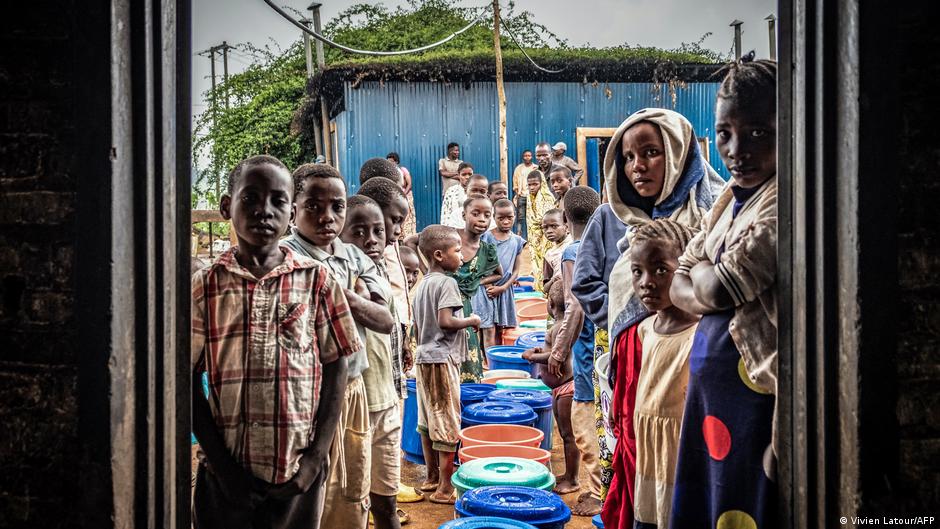
In the eastern regions of the Democratic Republic of Congo (DRC), violations of international humanitarian law continue unabated, despite repeated commitments from authorities and international partners. The International Committee of the Red Cross (ICRC) has renewed calls for stricter adherence to these critical legal frameworks to protect civilians caught in the crossfire of ongoing conflicts.
The situation remains particularly dire in provinces such as North Kivu, South Kivu, Ituri, and to a lesser extent, Tanganyika, where over 200 armed groups operate with shifting alliances. This fluidity complicates accountability efforts and makes it increasingly difficult to identify perpetrators of violations, thereby perpetuating a cycle of violence and impunity.
Civilian suffering amidst legal neglect
The breakdown of international humanitarian law protections has left civilians—especially women, girls, and children—exposed to horrific violence. Human rights activist Julienne Lusenge highlights the staggering scale of sexual violence, describing it as a crisis that demands urgent international action. She points out that while men are also victims, women and girls bear the disproportionate brunt of these atrocities.
“Millions of cases of sexual violence have been recorded. Every minute, women, girls, and children—yes, even some men—suffer these attacks,” Lusenge states. She emphasizes the need for global sanctions against perpetrators, noting the absence of international prosecutions for such crimes despite their prevalence.
Military justice steps up, but challenges persist
The military judicial system in the DRC has taken steps to address abuses within its ranks. General Jean-Paul Tshayikolo, a military magistrate at the High Military Court, asserts that prosecutions serve both punitive and educational purposes. While acknowledging the impossibility of eliminating impunity entirely, he underscores the court’s commitment to holding offenders accountable. “Judicial decisions educate other servicemen,” he explains, pointing to existing statistics as evidence of the judiciary’s efforts.
However, Julienne Lusenge stresses that stronger measures are needed, including improved training for security forces and more robust efforts to dismantle armed groups. She argues that these steps are essential to curbing the violence and safeguarding civilians.
Fragmented alliances fuel legal loopholes
The ever-changing partnerships among armed factions in eastern DRC further complicate enforcement of humanitarian law. These shifting dynamics obscure responsibility for violations, undermining mechanisms for dialogue, monitoring, and justice. Additionally, the failure to distinguish between combatants and civilians on the ground exacerbates the crisis, creating obstacles for prosecutions and reinforcing a culture of impunity.
The ICRC’s recent conference in Kinshasa underscored the urgency of these issues, calling for a renewed commitment to protecting civilians and ensuring accountability for violations of international humanitarian law in the DRC.