
online harassment rising in Chad: a call for action
The Zouhoura case in 2016 left a profound and lasting scar on Chad. A 16-year-old high school student was abducted and subjected to a collective rape, a trauma compounded by her attackers’ decision to disseminate images of the assault across social media platforms. A decade later, digital violence continues to target countless women across the nation, highlighting an urgent need for enhanced online safety measures.
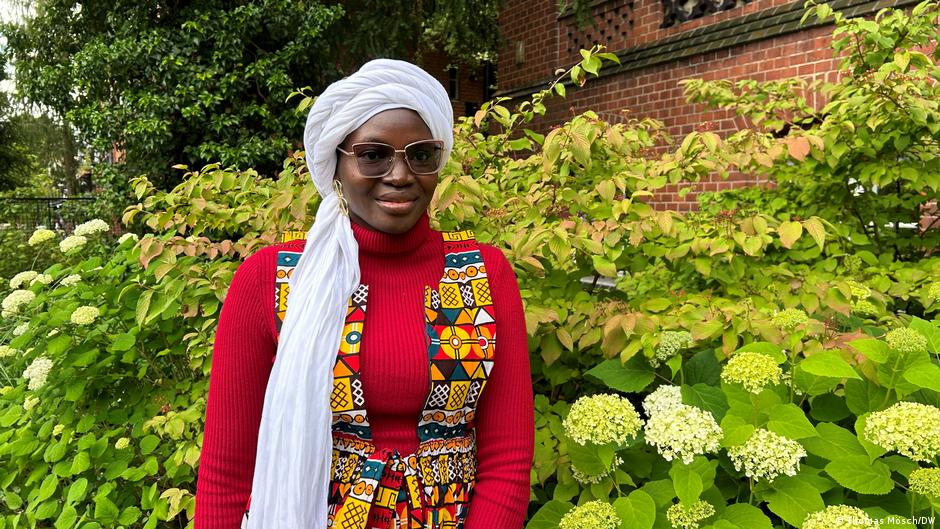
In Chad, much like in other regions, simply sharing a photo or video online can quickly make one a target for cyberharassment. Women’s rights activists are particularly vulnerable to these digital attacks. Epiphanie Dionrang, who presides over the Chadian League for Women’s Rights, experienced this firsthand due to her outspoken advocacy. She recently discussed this pervasive issue, outlining potential approaches to better prevent and combat online violence and safeguard women’s digital spaces.
Understanding the scope of online violence in Chad
Epiphanie Dionrang, a leading figure in women’s rights in Chad, explains the intrinsic link between her activism and her focus on cyberharassment. She asserts that online harassment is a daily reality for women and young girls in society. “I have also been a victim of cyberharassment, of the backlash on social media, because of my stances. It is part of the violence that women endure,” she states.
When asked about the various forms cyberharassment can take, Dionrang elaborates: “Cyberharassment can manifest in several ways. We receive intimidations, sexist comments, hate messages on social media and other platforms. This includes unwanted phone calls and persistent intimidation.”
The impact of such online violence is profound and multifaceted. “There is primarily a psychological and emotional impact,” Dionrang explains. “It brings a lot of stress, anxiety, and sometimes constant fear. The impact can include depression, psychological distress, and it also leads to a loss of confidence and diminished self-esteem.” She adds that victims often experience isolation and shame, as harassers frequently exploit private information to humiliate them. This can result in sleep disturbances and, in extreme cases, suicidal thoughts. “At some point, you reduce your participation in public or civic life; you don’t show yourself too much, you even self-censor on social media,” she notes, highlighting the broader social, professional, and economic repercussions.
Identifying the perpetrators of cyberharassment can be complex. Dionrang points out that while some harassers are known individuals, others operate through fake profiles, often those who disagree with a victim’s views. “It can even be former friends,” she reveals, underscoring the diverse nature of online aggressors.
To address non-consensual dissemination of photos, videos, or private information, Dionrang stresses the importance of evidence collection. “It is essential to preserve all evidence. Today, I take screenshots of all messages, comments, profiles, and publications,” she explains. This includes saving links, dates, locations, and user details to facilitate examination of these profiles. While reporting to competent authorities is crucial, the justice system in Chad often falls short. “In Chad, the justice system truly does not do its job,” she laments. “I once filed a complaint for assault against a person, and we have been searching for the person’s identity to prosecute them ever since. This remains a significant challenge.” She also highlights the absence of a comprehensive digital law, which further complicates legal recourse for victims of online violence.
Despite the existence of Chad’s National Agency for Computer Security and a cybercrime unit that conducts prevention and awareness campaigns in schools, Dionrang finds these efforts severely lacking. “It’s truly insufficient! We don’t talk about it enough. Even when we report incidents, there’s no follow-up,” she states. “There is an agency, yes, but what do they concretely do? The work isn’t just about raising awareness. In fact, there needs to be both prevention and repression.” She notes that victims often fear coming forward because they perceive a lack of protection, exacerbating the problem of underreporting.
Chadian filmmaker Aché Ahmat Moustapha’s documentary, “Harcèlement 2.0, La résilience des Africaines connectées” (Harassment 2.0, The Resilience of Connected African Women), in which Dionrang herself participates, aims to break the silence surrounding online harassment. The film encourages women and victims to speak out, despite the obstacles they face. Dionrang emphasizes the need for “safe spaces for women, so they can be heard and so we can say: ‘I believe you.'” She observes that online, there’s a tendency to immediately judge women and girls without considering the context or offering support. “This film is truly powerful in terms of advocacy,” she affirms. While acknowledging that not everyone may fully grasp its message, she believes it has empowered many girls to share their stories. “This isn’t just in Chad, or just in Senegal, but everywhere in society,” she concludes, highlighting the global nature of this struggle for digital safety and women’s rights.