
Reassessing allegiances in Africa’s shifting geopolitical landscape
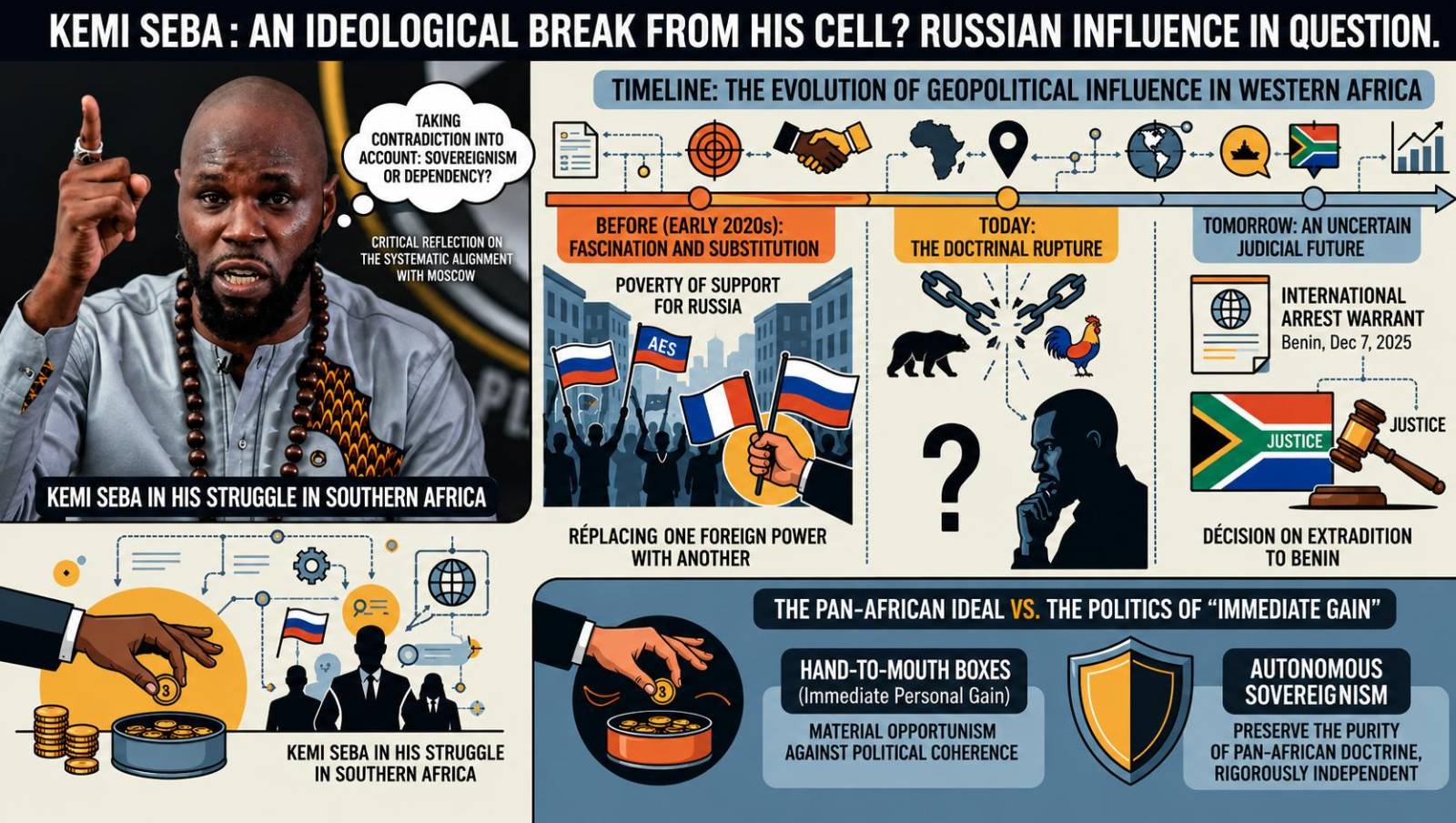
The political terrain across several Sahel nations has recently been dominated by a striking visual narrative: public demonstrations draped in Russian flags and chants extolling Moscow’s leadership. Within activist circles advocating total sovereignty, Russia has increasingly been portrayed as the indispensable counterbalance to Western influence. Yet this growing affinity is now being scrutinized more closely, particularly when it originates from movements claiming ideological purity.
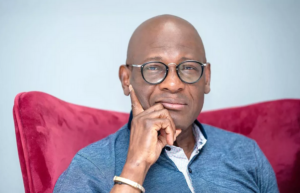
Among the most prominent voices re-evaluating this alignment is Kemi Seba, a leading figure in contemporary Pan-African thought. Currently detained in South Africa, Seba appears to be undergoing a significant ideological shift—one that challenges the very foundations of the pro-Russian sentiment sweeping through parts of the Sahel.
From anti-colonial rhetoric to a new form of dependency
While forging new international alliances is a legitimate diplomatic pursuit, substituting one foreign power for another risks perpetuating a cycle of dependence rather than achieving true emancipation. Many observers argue that replacing French influence with Russian patronage does not represent genuine liberation, but merely a transfer of allegiance from one external actor to another.
Kemi Seba now appears to recognize this paradox. The Pan-African ideologue has begun to critique the uncritical embrace of Moscow, rejecting the notion of any new protectorate—no matter how vehemently anti-Western—imposed on African soil.
The clash between long-term vision and immediate gains
This reconsideration has exposed a divide within sovereignist movements. While some support for Russia stems from a genuine desire for geopolitical rupture, other motivations are less principled and more transactional. Seba has forcefully opposed what he describes as the politics of short-term opportunism, often illustrated by the metaphor of “filling the stew pot”—a reference to prioritizing personal enrichment over the integrity of a long-term political vision.
By rejecting this mercenary approach to ideology, the activist seeks to uphold the purity of a Pan-Africanism that insists on absolute self-determination, free from external manipulation or conditional alliances.
Legal and ideological crossroads in Pretoria
The timing of Seba’s doctrinal reflection could not be more consequential. Facing an international arrest warrant issued by Benin following an alleged coup attempt in December 2025, he remains incarcerated in South Africa. His fate now rests not only in the realm of political discourse but in the hands of Pretoria’s judiciary system, which must rule on Cotonou’s extradition request.
As the legal process unfolds, a pivotal question emerges: will this period of confinement signal a definitive break with previous alliances, or merely a recalibration of Pan-African discourse? The coming weeks will be decisive—not only for Seba’s personal trajectory but for the broader direction of the movements he has inspired.