
Sahel news English
Chad delegation learns digital education strategies during UNESCO Yaoundé study mission
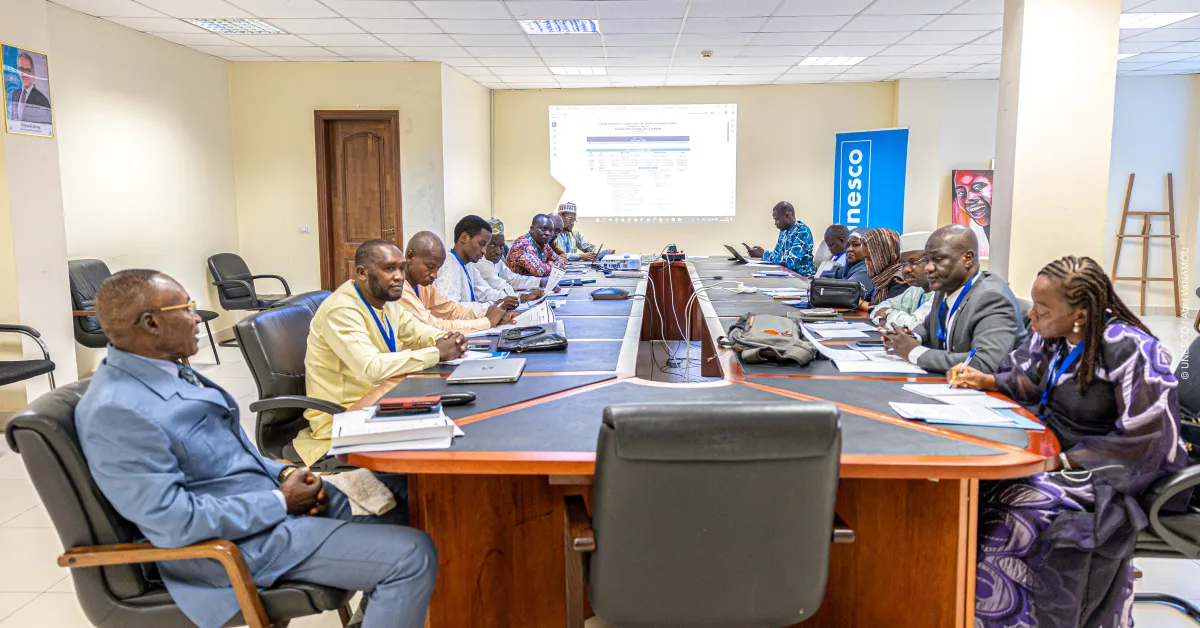
A five-day study mission focused on adopting best practices for integrating Information and Communication Technologies (ICT) in education took place in Yaoundé from April 20 to 24, 2026.
This initiative aligns with Chad’s national efforts to modernize its education system and ensure universal access to quality, inclusive, and equitable learning. The mission supports key national strategies including the 2022–2026 National Development Plan, the Tchad Connexion 2030 vision, the National Teacher Policy (PNET), and the Tchadian School Refoundation Program (PRET). These initiatives are implemented with backing from the Global Partnership for Education and collaborative support from UNESCO and UNICEF.
In a challenging structural context, ICT integration offers a critical pathway to enhance teaching quality, expand educational access, and strengthen governance in Chad’s education sector. The PRET aims to introduce gradual digital transformation through practical, low-complexity solutions tailored to local realities.
To achieve this, Chad’s Ministry of National Education and Civic Promotion organized this learning mission, drawing inspiration from Cameroon’s proven advances in digital education across both formal and non-formal sectors.
Participants engaged in institutional meetings, technical visits, and collaborative workshops with key Cameroonian education stakeholders.
At the Ministry of Basic Education (MINEDUB), technical discussions brought together specialized departments, academic partners, and institutional leaders. The sessions provided an in-depth look at Cameroon’s ICT integration model, covering pedagogical, curricular, organizational, and infrastructural dimensions.
The exchanges also explored teacher training programs, digital tools, institutional coordination mechanisms, and partnerships supporting the education system’s digital transformation.
Beyond experience sharing, the mission followed a rigorous methodology combining document analysis, stakeholder interviews, field observations, and collaborative working sessions. This approach aims to identify success factors, document transferable practices, and adapt solutions to Chad’s specific context.
Expected outcomes include a detailed mission report, actionable recommendations, and a prioritized action plan to support ICT integration in Chad’s education system.
This initiative highlights the UNESCO regional office’s role as a facilitator of cooperation and catalyst for innovation among Central African states. It also contributes to a regional dynamic of sharing expertise to build sustainable mechanisms for exchanging best practices across sub-Saharan countries.
By fostering mutual learning and adaptation of proven solutions, the mission strengthens educational system resilience and accelerates digital-era transformation.

Related Posts