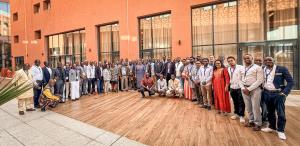

Dakar – A gathering of more than 80 specialists representing 19 nations across the continent is currently underway in Dakar. This week, these experts are collaborating to refine the quality, consistency, and application of data related to polio surveillance and outbreak management. This effort is seen as a vital move toward improving disease detection, optimizing vaccination initiatives, and ensuring children throughout the region are shielded from polio.
Strengthening health surveillance systems
The intensive workshop, scheduled from June 8 to 19, 2026, focuses on evaluating data quality and coordinating various operational branches of polio eradication. By bringing together delegates from national Ministries of Health, reference laboratories, and regional health offices, the initiative seeks to fortify the data frameworks that underpin disease monitoring and evidence-based policy making across Africa.
Participants are conducting a thorough review of data integrity across several critical pillars of the eradication program. These include the monitoring of acute flaccid paralysis (AFP), environmental and laboratory surveillance, electronic tracking, and supplementary immunization activities (SIAs). The group is also investigating the primary hurdles that compromise data accuracy to develop practical strategies for the timely and reliable transmission of information.
Digital innovation and practical application
A significant portion of the workshop involves hands-on sessions with digital tools and software designed to promote data-centric strategies at every level of public health. Discussions are centered on the operational upkeep of various digital platforms that facilitate rapid data collection, analysis, and reporting, ensuring that every decision made in the field is backed by solid evidence.
The event was officially inaugurated by Dr. Yao N’da Konan Michel, who expressed appreciation to the government and the Ministry of Health of Senegal for hosting the summit. He lauded Senegal for its consistent success in managing infectious diseases within the region.
Dr. Yao noted that while the African region reached a monumental milestone in 2020 by being declared free of indigenous wild poliovirus, the continued presence of circulating variant polioviruses means that vigilance cannot waver. He emphasized that high-quality surveillance, rapid response to new cases, and effective vaccination drives are essential to closing immunity gaps. A robust digital ecosystem and strong data governance are at the heart of these objectives.
Preserving a legacy of public health
During a presentation on the workshop’s goals, Kebba Touray, a lead in data and information management, stated that the meeting represents a collective pledge to uphold the program’s long-standing legacy in data management. This system, built through years of leadership and supported by targeted funding from the Gates Foundation and other technical partners, aims to provide a sustainable foundation for public health surveillance in Africa.
Touray urged the attendees to utilize the two-week session to build durable mechanisms that address gaps in data quality. He cautioned that failing to improve in this area would make it difficult to assess the sensitivity of surveillance or track the effectiveness of vaccination campaigns. Without accurate data, the progress made toward total polio eradication in the region could be at risk.



