Russian mercenaries retreat as jihadist offensives shake Mali
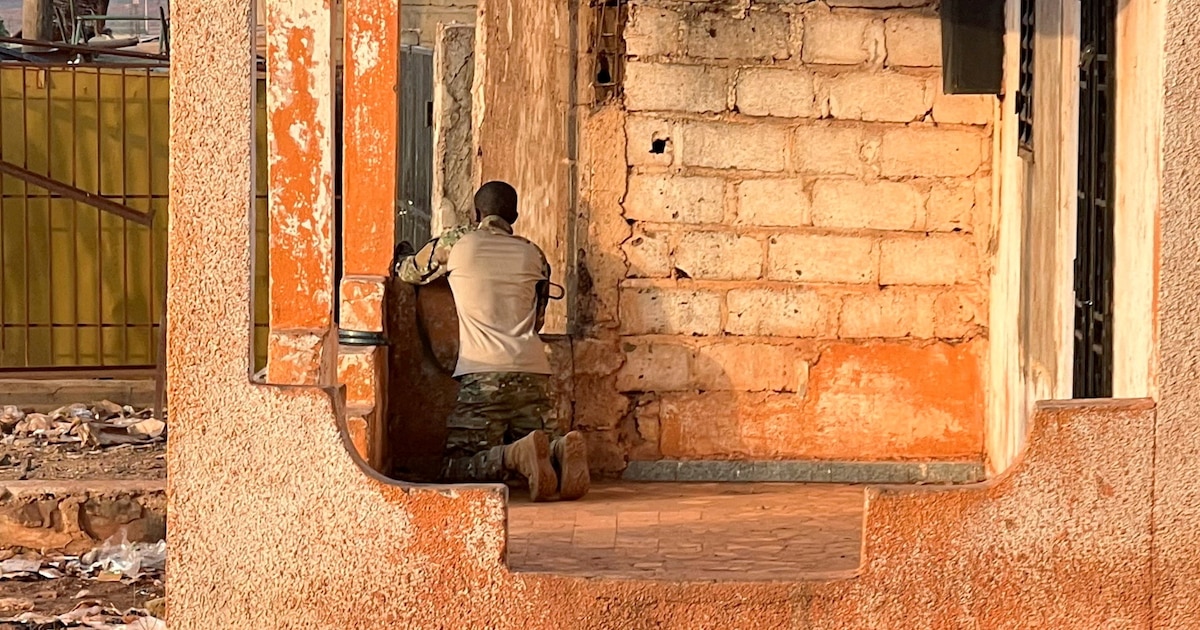
In a major strategic and symbolic setback, the Russian mercenaries of Africa Corps—who replaced the Wagner group in 2025—have retreated from Kidal in northeastern Mali. On Sunday, April 26, footage emerged showing the paramilitary forces, who are allied with the Bamako junta, withdrawing under pressure from the GSIM (Group for the Support of Islam and Muslims) and their Tuareg rebel allies from the Front for the Liberation of Azawad (FLA). The withdrawal was so hurried that dozens of armored vehicles and helicopters were left behind, while several Malian soldiers were taken captive following brief skirmishes.
This retreat is part of a broader wave of coordinated strikes launched by Al-Qaeda-affiliated GSIM militants and independentist rebels. These attacks have targeted critical positions throughout Mali, reaching as far as the outskirts of the capital, Bamako.
A reversal of previous gains
The Africa Corps, which operates under the oversight of the Russian Ministry of Defense, confirmed its departure from the northern stronghold of Kidal on Monday. For the FLA rebels, this represents a significant victory and a reversal of the events of November 2023, when Wagner mercenaries captured the city. Experts suggest that the loss of Kidal is a profound failure for Russia’s military presence in the region, as the city was considered the only major strategic success achieved by Russian forces since their arrival in Mali in 2021.
The offensive has not been limited to the north. At least six major urban centers have been targeted, including Gao and the military hub of Kati. In Bamako, the GSIM demonstrated its reach by entering parts of the city with minimal opposition.
Questions over military effectiveness
Since the 2021 coup, the Malian military junta has increasingly relied on Russian paramilitary support to combat a growing insurgency. However, the security situation has deteriorated, with Mali becoming a global epicenter for terrorism-related casualties. Jihadist groups have even attempted to economically isolate Bamako through blockades.
Critics and security analysts point out that the transition from Wagner to Africa Corps has failed to provide stability. Furthermore, international organizations have documented a rise in civilian violence and human rights abuses linked to both the Malian army and their Russian partners. Some observers argue that the latest attacks merely highlight the long-standing inefficiency of these mercenary groups in counter-terrorism operations.
Internal tensions and political fallout
The recent violence has claimed high-ranking victims, including Defense Minister Sadio Camara, who was killed during a bombing at his residence in Kati. Despite the chaos, President Assimi Goïta addressed the nation, claiming the situation was under control and promising to continue operations until the insurgent groups are neutralized.
However, the defeat in Kidal has sparked internal resentment. Some Malian military officials have accused the Russian forces of betrayal, suggesting that the mercenaries may have negotiated their exit days before the actual attack. While the Kremlin has avoided commenting directly on the Africa Corps’ performance, officials in Moscow claim their presence has prevented a full-scale coup d’état against the current leadership.