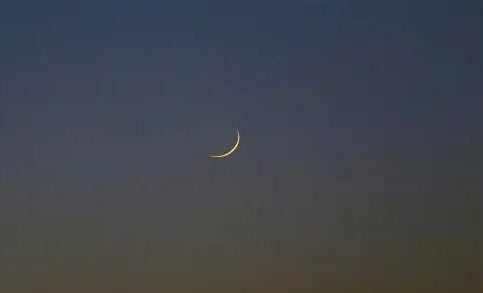

Sénégal confirms tabaski date after lunar crescent not sighted
Observers in Sénégal failed to spot the lunar crescent signaling the start of Dhul Hijjah this past Sunday, prompting an adjustment in the religious calendar. The country’s religious authorities have now set Tabaski for Thursday, May 28, 2026, raising questions about the methodologies used to determine key Islamic dates.
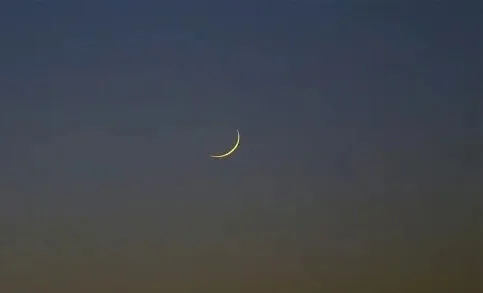
How Sénégal determined the Tabaski date
The National Observatory for the Observance of Religious Obligations in Sénégal (CONACOC) confirmed that no lunar crescent was visible in the country’s skies on Sunday, May 17, 2026. This observation delay means the religious calendar will shift, with Arafat Day falling on Wednesday, May 27, 2026, and Tabaski following on Thursday, May 28, 2026, for local Muslim communities.
Why do Muslim countries set different Tabaski dates?
The variation in Tabaski dates across Muslim-majority nations stems from differing approaches to lunar observation. While some countries rely on astronomical calculations, others prioritize local sightings of the new moon to mark the start of Dhul Hijjah. This divergence often leads to neighboring countries celebrating major Islamic holidays on different days, as seen in recent years.
The discrepancy highlights the ongoing debate within the Islamic world about the most reliable method for determining religious dates. Sénégal’s decision follows its long-standing tradition of prioritizing direct lunar observation over pre-calculated forecasts.