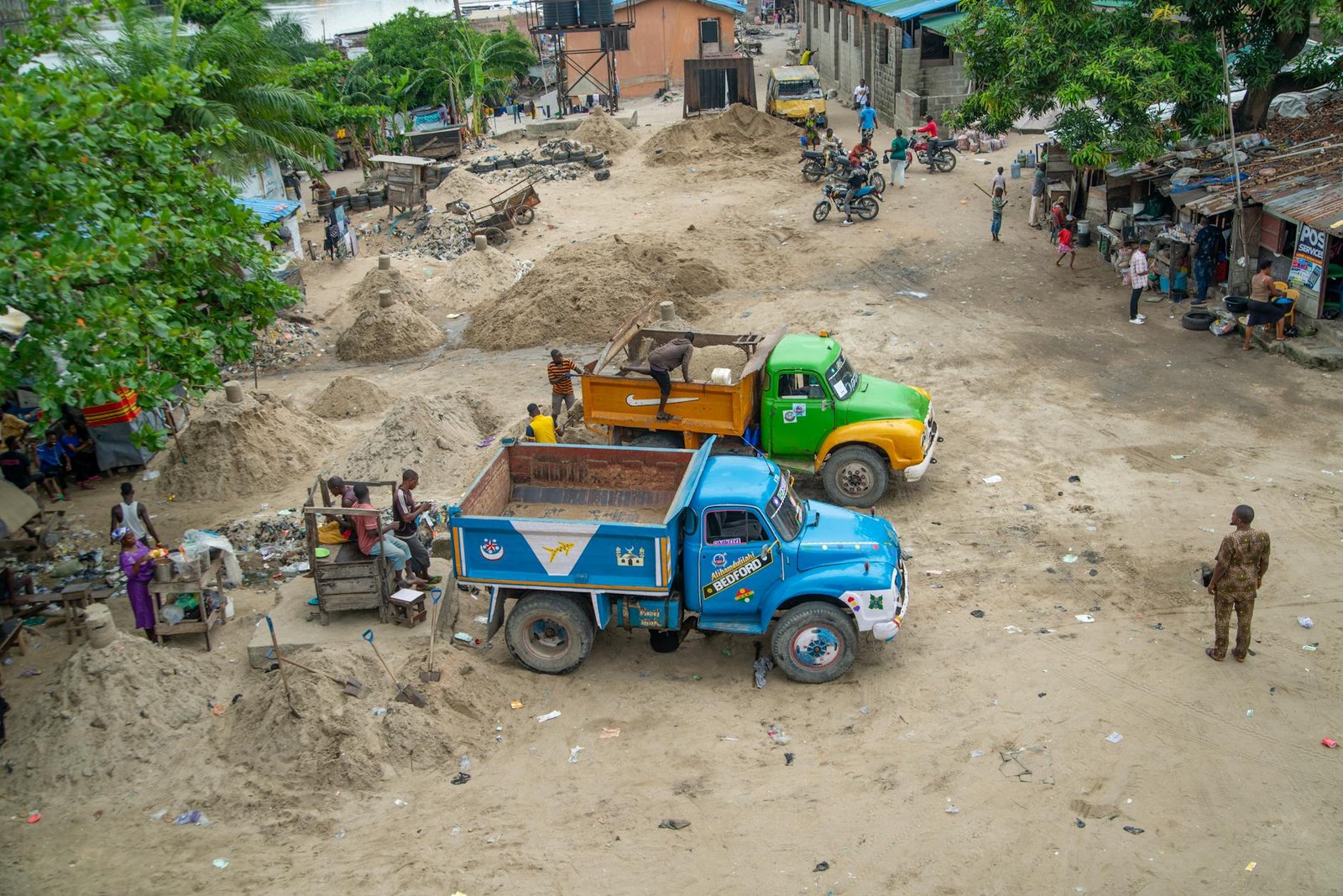

The vital Dakar-Bamako highway, the backbone of trade between Senegal and Mali, faces unprecedented security turmoil. The Union of Senegalese Truck Drivers (URS) has instructed its fleet to avoid routes leading into Mali, citing a surge in attacks by the Group for the Support of Islam and Muslims (JNIM), an Al-Qaeda affiliate. Since late April, jihadist fighters have systematically targeted freight convoys along this critical corridor, turning what was once a lifeline into a high-risk zone for transport operators.
Economic lifeline under siege
The Dakar-Bamako corridor handles the bulk of overland trade between the two nations. Fuel, food staples, cement, construction materials, and industrial goods flow daily through this route, especially since Mali’s landlocked status forced it to rely heavily on Dakar’s port. The temporary closure of borders with Côte d’Ivoire during a regional diplomatic standoff had already redirected much of this traffic toward Senegal. Now, the port of Dakar accounts for a significant share of Mali’s incoming shipments.
The URS’s decision to suspend operations puts this commercial artery at risk. Without Senegalese truckers, Bamako could face severe shortages of fuel, manufactured goods, and essential food supplies in the coming weeks. Markets already struggling with inflation and recurring supply chain disruptions may see prices spike sharply as stockpiles dwindle.
JNIM’s economic warfare targets logistics
Since the end of April, JNIM has escalated its campaign to cripple Mali’s economy. The group has systematically ambushed fuel tankers, cargo trucks, and public transport vehicles along key routes connecting Bamako to Senegal and Mauritania. This strategy, previously deployed in central Mali against military convoys, has now spread to the relatively calmer western regions.
The jihadists’ dual objectives are clear: first, to strangle the economic lifeblood of cities under Malian military control, and second, to expose the transitional government’s inability to secure its own highways. Simultaneously, these attacks allow fighters to seize fuel and manufactured goods—critical resources for sustaining operations in remote rural areas.
The human and financial toll on Senegalese transporters has been devastating. Several drivers have been killed, injured, or kidnapped in ambushes over recent weeks. Burned-out vehicles represent substantial losses for often family-owned businesses, many of which lack insurance coverage for jihadist-related risks.
Regional ripple effects force Senegal to rethink strategy
The self-imposed halt in truck convoys presents Senegalese authorities with a complex diplomatic and economic challenge. Since President Bassirou Diomaye Faye took office, Dakar has pursued a policy of engagement with Sahelian juntas, diverging from the Economic Community of West African States (ECOWAS) stance under previous leadership. However, the escalating insecurity along the corridor now threatens both Senegal’s economic interests and the safety of its citizens.
The port of Dakar, which had benefited from the redirection of Malian trade, could see a decline in container traffic if overland shipments to Bamako remain suspended. Logistics operators are already exploring alternative, longer, and costlier routes—such as detours through Mauritania—or limited rail options with minimal capacity.
The crisis extends beyond Senegal’s borders, destabilizing West Africa’s trade architecture. JNIM’s ability to paralyze a corridor spanning over 1,200 kilometers underscores the security vacuum left by Western partners’ withdrawal and the ongoing reconfiguration of the Alliance of Sahel States. Whether Dakar and Bamako can coordinate to reopen the route remains uncertain, as Malian authorities have so far dismissed such prospects.