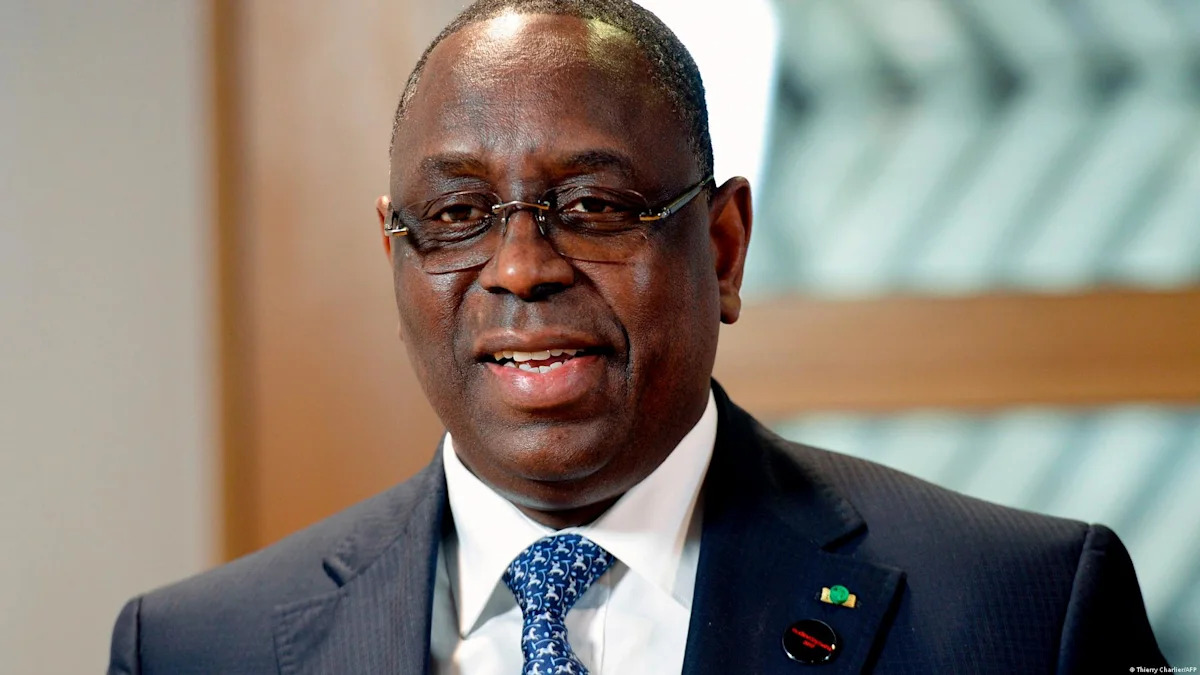

Senegal political tensions flare over Diomaye Faye-Macky Sall meeting
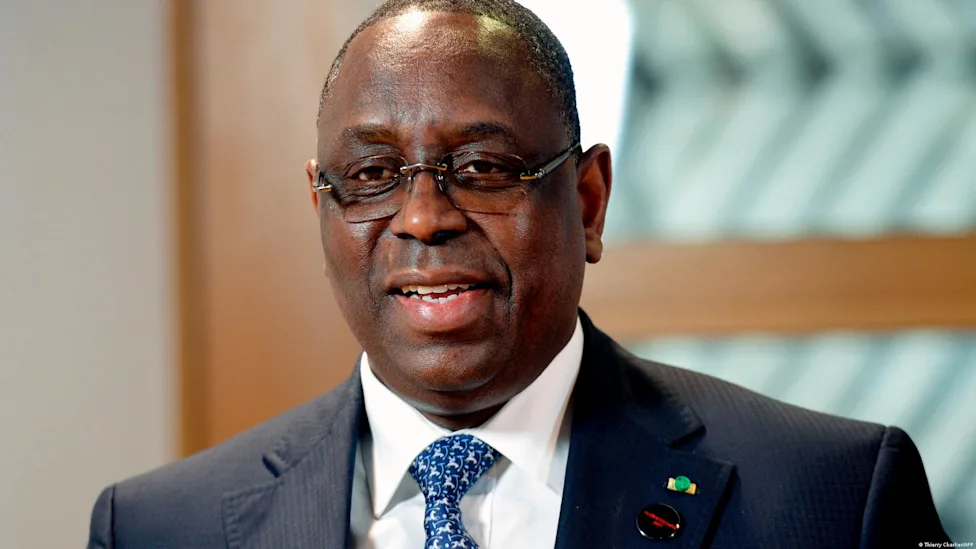
The upcoming meeting between Senegalese President Bassirou Diomaye Faye and his predecessor Macky Sall has ignited fierce backlash from families of political repression victims who suffered during Sall’s administration. These families argue the timing of the meeting—while justice and reparations remain pending—amounts to a betrayal of their long-standing demands.
Why does this encounter spark such intense reactions? What impact could it have on Senegal’s political landscape? Analyst Assane Samb weighs in on the significance of this meeting amid the country’s current political climate.
Insights from political analyst Assane Samb
Assane Samb: This meeting wasn’t unexpected, though its timing has drawn criticism from certain quarters. Macky Sall’s presidential ambitions for the United Nations Secretary-General position add another layer of complexity to the situation, particularly with international backing from countries like China and Burundi. These dynamics forced delicate negotiations to smooth over tensions.
Understanding the backlash
The uproar stems from a turbulent period between 2021 and 2024, marked by violent clashes between protesters and security forces. What began as a revolutionary fervor among citizens quickly escalated into a broader movement demanding systemic change. Many view Macky Sall’s visit as a stark reminder of the unaddressed grievances from those tumultuous years.
Diplomatic pressures vs. public expectations
While Sall was still in office, President Faye hesitated to endorse him publicly. However, now that the two leaders have broken ties, Faye faces no such constraints. Yet the question remains: Can Senegal balance diplomatic priorities with the urgent calls for justice from its citizens?
The political polarization dilemma
Beyond the victims of repression, concerns about Sall’s potential political comeback are fueling divisions. His UN candidacy risks deepening the rift in Senegal’s already polarized political arena, with some fearing a return to past governance styles.
Reconciliation and international perceptions
Internationally, the meeting may be celebrated by African leaders as a gesture of diplomatic progress. Domestically, however, it risks sharpening the divide between political factions, complicating efforts toward national unity.

Related Posts