
Senegal politics: pastef loses youth council elections amid minister concerns
The Senegalese political landscape faces turbulence as the ruling Pastef party suffers a setback in the Youth Advisory Council elections, while allegations of legal irregularities among ministers and rumors of collusion between key opposition figures intensify scrutiny.
youth council elections deliver unexpected blow to ruling party
Senegal’s political arena is witnessing a dramatic shift as the Pastef party, led by President Bassirou Diomaye Faye, faces a significant loss in the Youth Advisory Council elections. This unexpected outcome has raised questions about the party’s hold on power and the effectiveness of its governance strategies.
The elections, held amid growing public discontent, marked a clear departure from the ruling party’s expected dominance. Analysts suggest this could signal a broader shift in voter sentiment, particularly among younger demographics who have grown increasingly vocal about political accountability.
allegations of ministerial misconduct spark further controversy
The political fallout extends beyond the election results, with mounting allegations that several ministers in President Faye’s administration are operating outside the bounds of the law. These claims have fueled public distrust and intensified calls for transparency and reform within the government.
Critics argue that the perceived lack of adherence to legal frameworks undermines the administration’s credibility and threatens its ability to address pressing national issues. The controversy has dominated political discussions, with opposition figures seizing the opportunity to challenge the government’s legitimacy.
rumors of opposition collusion fuel tensions
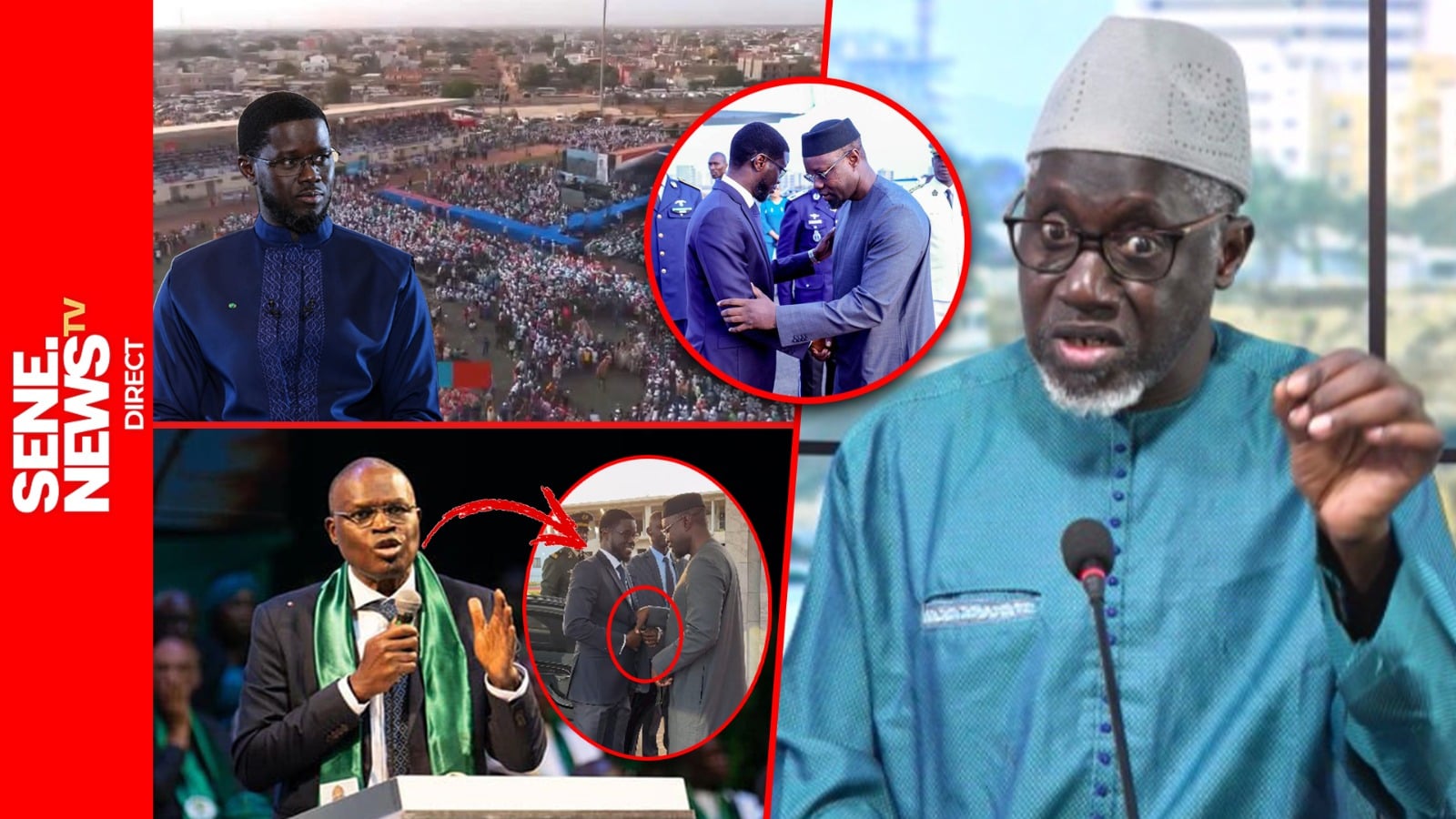
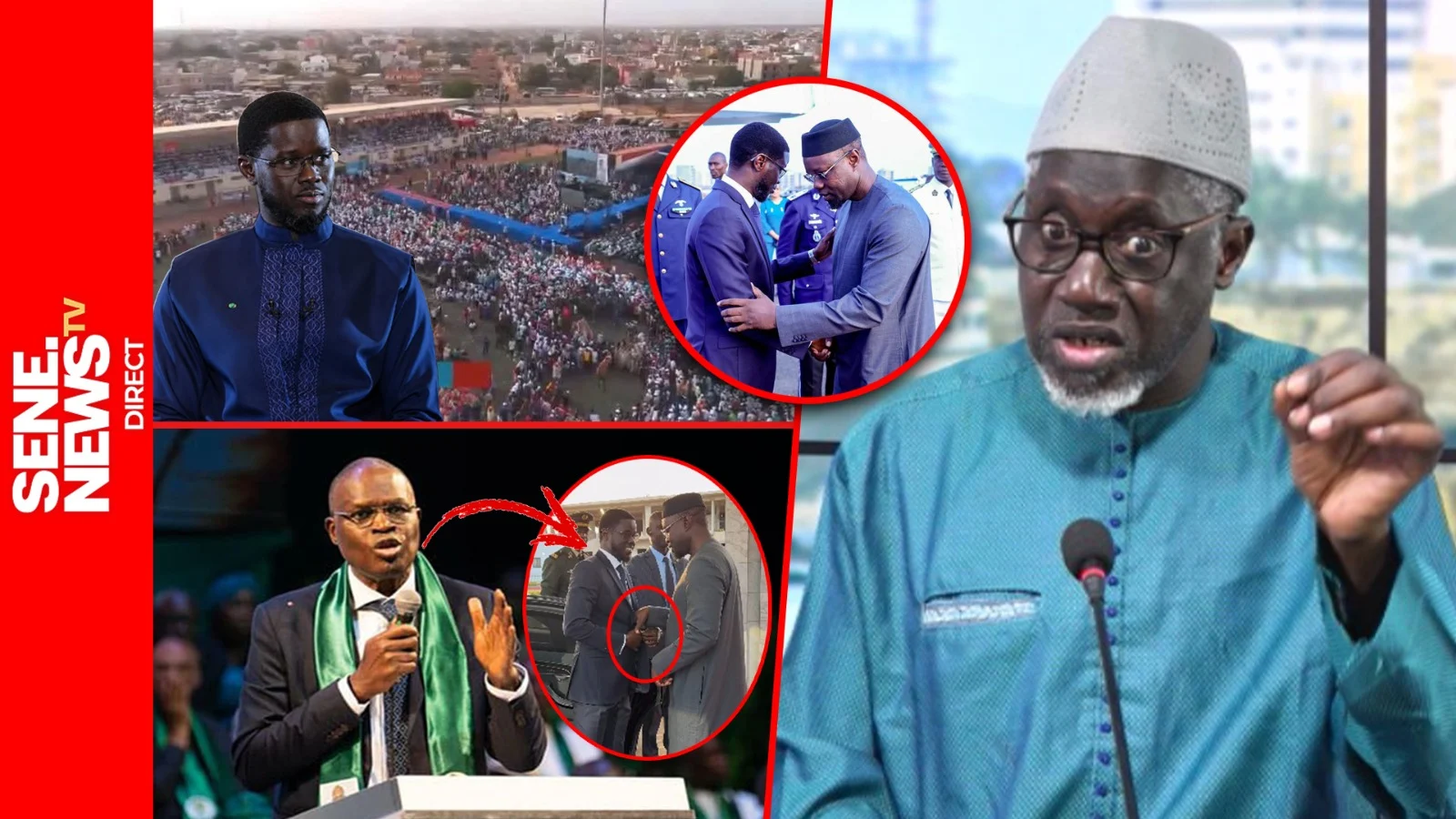
In a separate but equally concerning development, whispers of a secret alliance between opposition leader Ousmane Sonko and President Faye’s inner circle have begun circulating. These rumors, though unconfirmed, have added another layer of complexity to Senegal’s already volatile political climate.
Political observers warn that such narratives, whether true or not, could further polarize the nation and impede efforts toward national unity. The speculation has overshadowed diplomatic engagements, including President Faye’s recent meeting in Mbour, which was intended to strengthen his coalition.
what’s next for Senegal’s political future?
As Senegal grapples with these political upheavals, the coming weeks will be critical in determining the trajectory of both the ruling party and the opposition. With public trust hanging in the balance, the government’s response to the allegations and the outcomes of ongoing investigations will be closely watched.
The broader implications for Senegal’s democracy and its standing on the regional stage remain uncertain, leaving citizens and analysts alike to ponder the path forward.