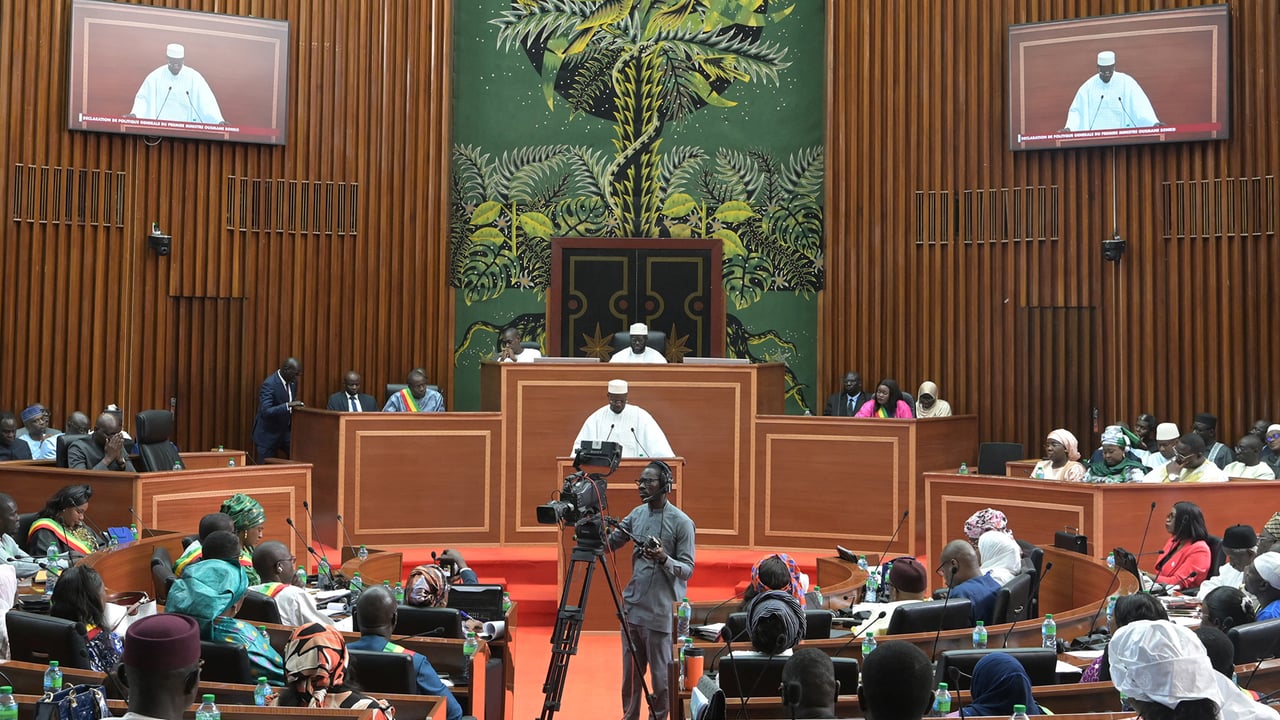


The National Assembly in Dakar witnessed a heated exchange this past December 27 as Prime Minister Ousmane Sonko outlined his government’s agenda. Among the key proposals discussed was a controversial bill to repeal the amnesty law enacted under former President Macky Sall, which shielded individuals involved in deadly political unrest. While some lawmakers defended the need for transparency, others argued for the necessity of maintaining confidentiality in special funds.
Why Special Funds Remain a Sensitive Topic in Sénégal
Special funds in Sénégal have long operated under a veil of secrecy, raising concerns among citizens and watchdog groups. These discretionary financial resources, often controlled by the executive branch, are typically used for emergency responses, security operations, or sensitive diplomatic missions. However, their lack of oversight has fueled skepticism about potential misuse and corruption.
The debate intensified when Prime Minister Sonko’s administration proposed legislation to abolish the controversial amnesty law. Critics argue that while transparency is crucial, certain financial operations must remain confidential to protect national security and strategic interests. Supporters of the status quo claim that unchecked scrutiny could undermine the government’s ability to respond swiftly to crises.
Public Trust vs. Operational Efficiency
At the heart of this controversy lies a fundamental question: How can Sénégal balance the demand for accountability with the operational needs of its government? Proponents of secrecy insist that special funds are essential for discreet financial maneuvering, particularly in delicate situations where public disclosure could compromise sensitive negotiations or expose vulnerabilities.
On the other hand, advocates for greater openness contend that without proper oversight, these funds become breeding grounds for financial irregularities. They point to past scandals involving misallocated resources and call for stricter parliamentary and judicial scrutiny to ensure every franc is accounted for.
International Precedents and Local Concerns
Sénégal is not alone in grappling with this dilemma. Many nations, particularly in Africa, face similar challenges in reconciling transparency with the practical realities of governance. The global trend toward open budgets and anti-corruption measures has put pressure on governments to justify the secrecy surrounding special funds.
In Sénégal, the debate has extended beyond the National Assembly, with civil society organizations and media outlets amplifying calls for reform. Some argue that the absence of clear legal frameworks governing these funds leaves too much room for interpretation—and potential abuse.
The Path Forward: Transparency Without Compromising Security
Finding a middle ground may require innovative solutions. One proposal gaining traction is the establishment of an independent oversight body tasked with auditing special funds periodically, without exposing their day-to-day operations. This approach could provide reassurance to the public while preserving the flexibility needed for effective governance.
Another suggestion is to implement stricter reporting requirements for funds used in non-sensitive contexts, ensuring that only the most critical operations remain shielded from scrutiny. Such measures could help rebuild trust in government institutions without sacrificing operational efficiency.
As the National Assembly deliberates on the proposed bill, the outcome will likely shape the future of financial governance in Sénégal. Will the government prioritize secrecy to protect its interests, or will it embrace transparency to strengthen public confidence? The answer may well determine the trajectory of the country’s democratic and economic stability.

Related Posts