
In Dakar, economists, policymakers, and civil society leaders are engaging in a critical discussion on Senegal’s mounting debt crisis. The two-day International Conference on Debt in Senegal, themed ‘Senegal’s debt crisis: toward sustainable and progressive solutions beyond IMF austerity’, has become a focal point for rethinking fiscal strategies across the continent.
Convening experts, former government officials, and development economists, the event seeks to explore alternatives to traditional debt management approaches, which many argue have deepened economic vulnerabilities in Africa.
the imf’s role: more problem than solution?
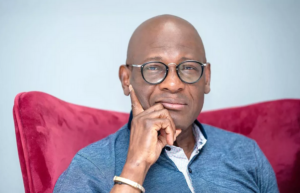
Ndongo Samba Sylla, Regional Director for Africa at the International Development Economics Associates (Ideas), delivered a bold critique of the International Monetary Fund’s approach. He argues that IMF policies, rather than resolving debt issues, often exacerbate them by promoting pro-creditor frameworks that serve geopolitical interests.
“The IMF is not the solution — it is part of the problem. It perpetuates external debt traps, particularly for countries like Senegal that are strategically aligned with Western powers. These policies prioritize creditor interests over sustainable development, undermining economic sovereignty.”
Sylla emphasized that the IMF’s structural adjustment programs, often tied to austerity measures, have failed to deliver long-term stability in highly indebted nations.
regional solidarity and debt justice
The conference highlighted the need for a collective African response to the debt crisis. Alioune Tine, founder of Afrikajom Center, stressed that debt is not merely an economic issue but a political one requiring unified action.
“Africa must stand together to challenge unjust debt structures and austerity policies that stifle growth. Real solutions lie in regional cooperation, not isolation. By coordinating policies across borders, we can build leverage to reject exploitative financial agreements.”
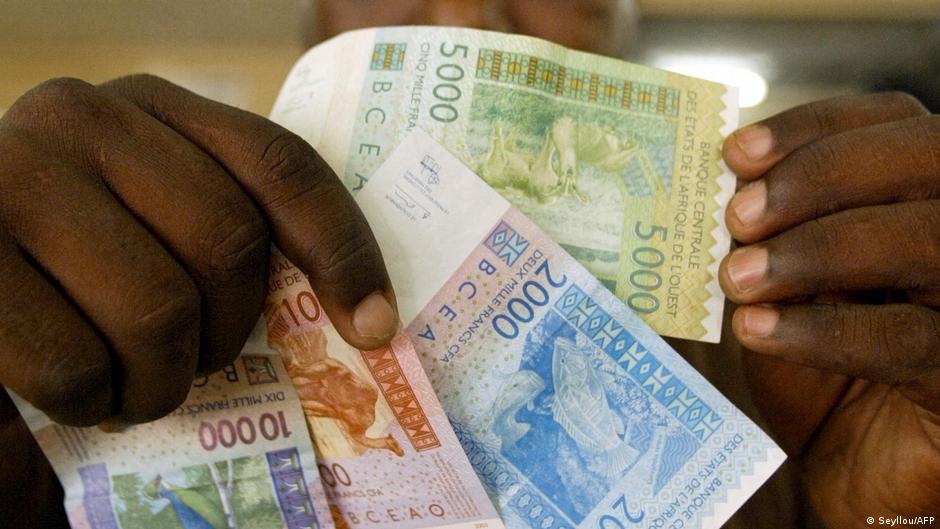
Tine also criticized narrow interpretations of debt drivers, such as the CFA franc debate, calling for a broader analysis of global economic imbalances.
debt levels exceed 130% of gdp
Senegal’s debt-to-GDP ratio has surged to over 130% following revelations of hidden debt and budget irregularities uncovered in late 2024. Prime Minister Ousmane Sonko’s administration has since flagged the need for transparent fiscal management and potential debt restructuring.
Ndongo Samba Sylla advocates for the cancellation of illegitimate debt, stating:
“Illegitimate debts should never be repaid. Even if repayment were necessary, a strong central bank could manage liabilities without overburdening the national budget.”
Alioune Tine cautioned against emotional responses, urging a pragmatic approach that accounts for global interdependence and shifting power dynamics.
parliamentary oversight and fiscal reform
Pastef-Les Patriotes, the ruling party, has pledged to strengthen debt oversight through enhanced parliamentary control and stricter adherence to fiscal transparency laws. Ayib Daffé, leader of the party’s parliamentary group, emphasized:
“To prevent future crises, we must enforce rigorous parliamentary scrutiny over debt acquisition and budget execution. Every finance law must uphold fiscal integrity and accountability.”
Meanwhile, President Bassirou Diomaye Faye met with IMF Managing Director Kristalina Georgieva in Nairobi this week to discuss potential pathways for Senegal’s economic recovery, as the country grapples with over two years of economic strain.